
Hydroponics Blog
Top 10 Hydroponic Problems in UAE & How to Solve Them

Quick Answer
The most common hydroponic problems in UAE are pH drift (tap water pH 7.5–8.5), heat stress (temperatures above 35°C), nutrient deficiency, root rot, and algae growth. Each problem has a clear solution: monitor pH daily, use a chiller or insulation, use pre-mixed nutrients, maintain dissolved oxygen above 6 mg/L, and block light from reservoirs.
Key Definitions
- pH: Measures acidity/alkalinity on a scale of 0–14. Hydroponics targets pH 5.5–6.5 for optimal nutrient uptake.
- EC (Electrical Conductivity): Measures nutrient concentration in water. Too high causes salt burn; too low causes deficiency.
- Nutrient Lockout: When pH is wrong, plants cannot absorb nutrients even if they are present in the water.
- Root Rot: Caused by Pythium fungus thriving in warm, oxygen-poor water. Common in UAE summers when water exceeds 24°C.
- Bolting: Premature flowering triggered by heat or long daylight hours. Common in UAE lettuce and herbs.
- Dissolved Oxygen (DO): Oxygen dissolved in the nutrient solution. Plants need DO above 6 mg/L for healthy roots.
The 10 Most Common Hydroponic Problems in UAE
1. pH Drift and Instability
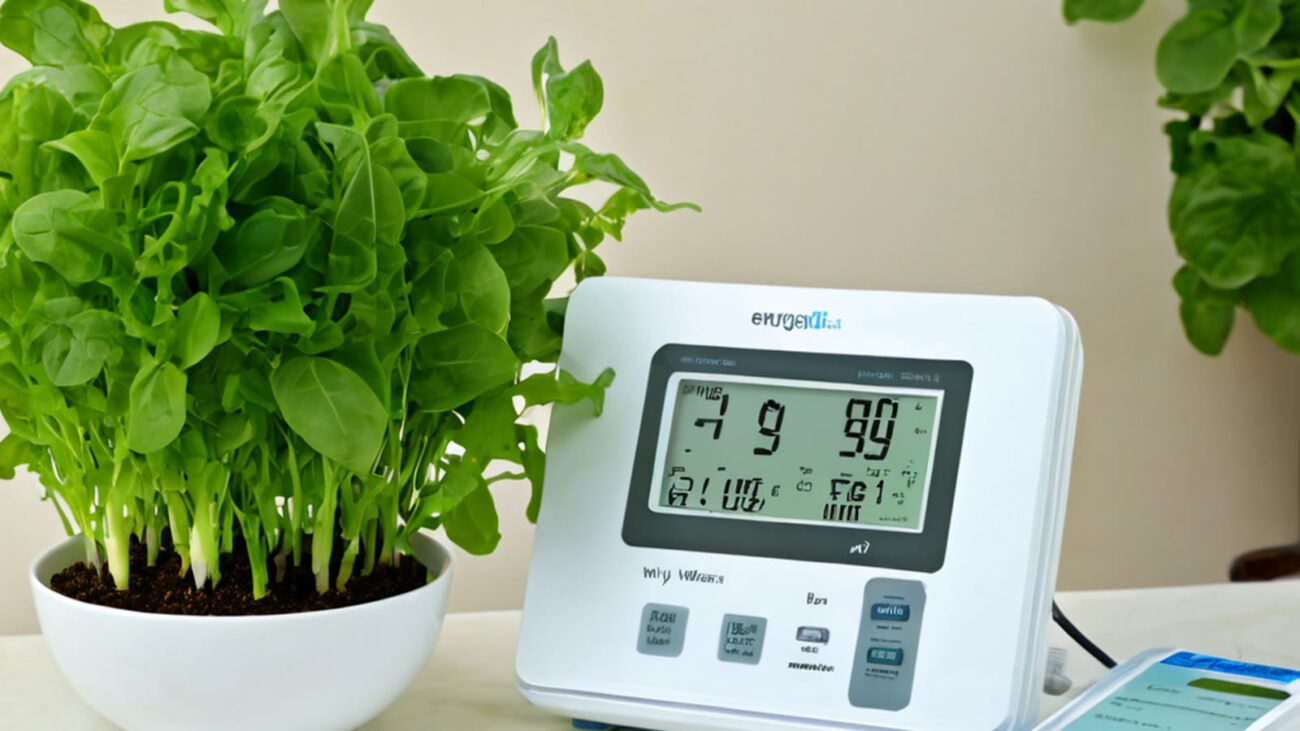
UAE tap water has a pH of 7.5–8.5. Without correction, nutrient uptake fails and plants show yellowing and stunted growth within days. Use phosphoric acid (pH Down) to lower pH to 5.8–6.2. Check pH twice daily in summer.
| Crop | Ideal pH Range | Problem Signs |
|---|---|---|
| Lettuce | 5.5–6.5 | Yellowing, tip burn |
| Tomatoes | 5.8–6.3 | Blossom end rot, purple stems |
| Herbs (Basil, Mint) | 5.5–6.5 | Pale leaves, slow growth |
| Cucumbers | 5.8–6.0 | Curled leaves, brown roots |
| Peppers | 6.0–6.5 | Blossom drop, yellow spots |
2. Heat Stress (UAE Summer Problem)
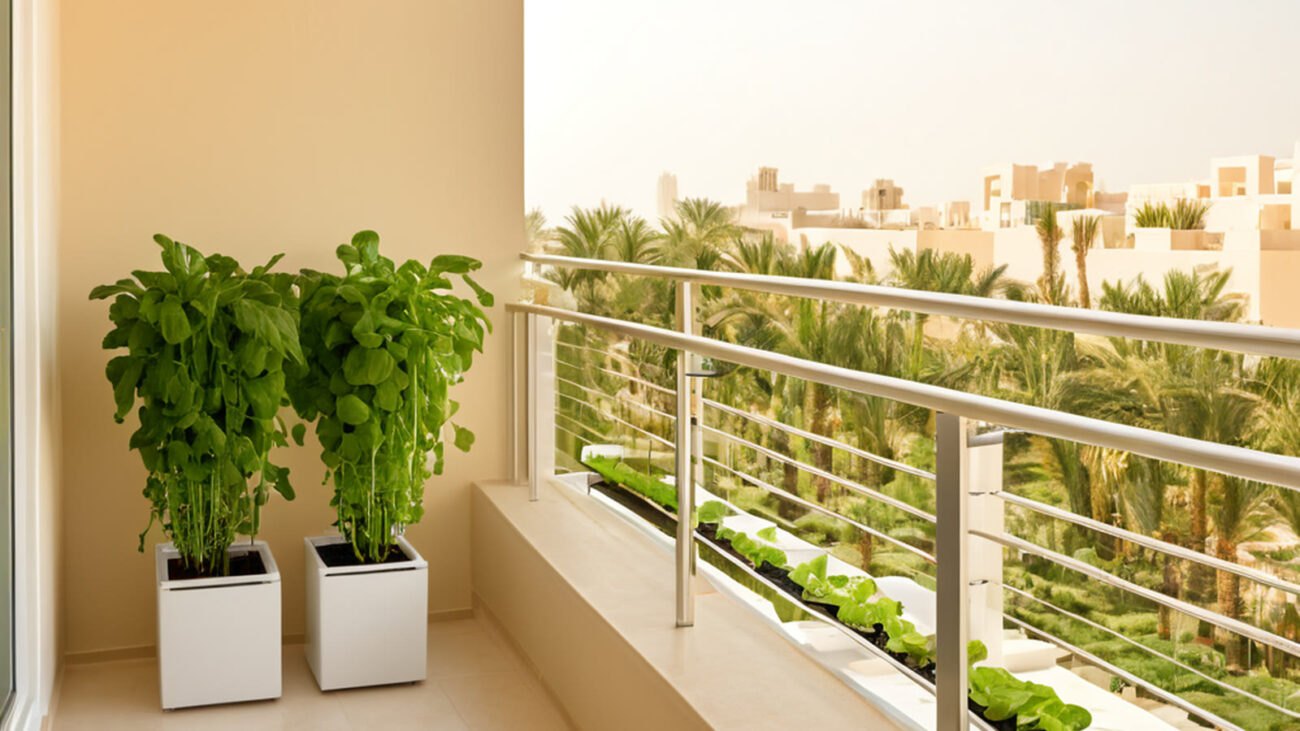
UAE outdoor temperatures reach 45–50°C in summer (June–September). Water temperature above 24°C collapses dissolved oxygen and triggers root rot. Move systems indoors with air conditioning (18–26°C optimal). Use insulated/opaque reservoirs. Add a water chiller for deep water culture systems. Grow cool-season crops October–May outdoors only.
3. Nutrient Deficiency
Plants show yellowing, purple stems, brown tips, or stunted growth due to missing macro or micronutrients.
| Deficiency | Visual Sign | Nutrient to Add |
|---|---|---|
| Nitrogen (N) | Yellow older leaves | Calcium Nitrate, MaxGrow A |
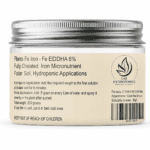
| Iron (Fe) | Yellow new leaves, green veins | Chelated Iron (EDDHA preferred) |
| Calcium (Ca) | Tip burn, blossom end rot | Calcium Nitrate |
| Magnesium (Mg) | Yellow between veins, older leaves | Epsom Salt (MgSO4) |
| Potassium (K) | Brown leaf edges | Potassium Nitrate (KNO3) |
4. Root Rot (Pythium)
Brown, slimy roots with foul smell. Caused by Pythium fungus thriving in warm water above 24°C and low dissolved oxygen. Lower water temperature below 22°C. Increase aeration. Add Trichoderma beneficial microbes. Replace solution and clean system thoroughly.
5. Algae Overgrowth
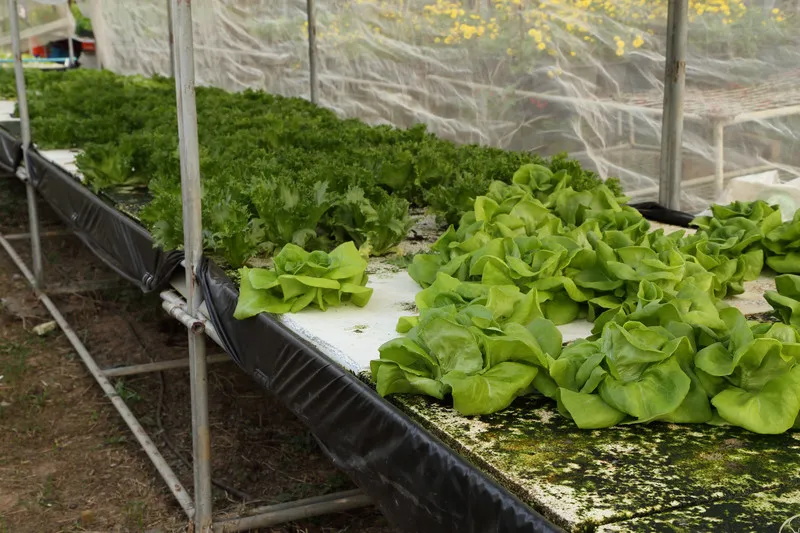
Green algae covering roots and reservoir walls competes for oxygen and nutrients. In UAE’s intense sunlight, algae grows explosively. Block all light from the reservoir using black opaque containers or black reservoir paint. Cover channels with black/white sheeting. Never use transparent pipes or containers.
6. High EC / Salt Buildup
UAE tap water EC 0.5–1.2 mS/cm plus high evaporation rates can push EC to dangerous levels (above 3.5 mS/cm causes salt burn). Monitor EC daily in summer. When EC rises, top up with plain water only. Full reservoir flush every 10–14 days.
7. Pest Infestations
Spider mites, aphids, whitefly, and fungus gnats are common in UAE indoor grows. Use yellow sticky traps. Apply neem oil spray (2ml/L) preventatively. Keep humidity 50–70%. Inspect plants weekly under leaves.
8. Poor Germination and Seedling Failure
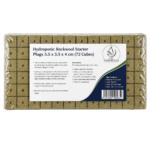
Seeds fail to germinate or seedlings die. Soak rockwool cubes in pH 5.5 water for 30 minutes before use. Germinate seeds at 22–26°C. Keep moisture consistent — not waterlogged. Maintain 70–80% humidity in propagation dome.
9. Bolting (Premature Flowering)
Lettuce, coriander, spinach, and herbs bolt in UAE heat. Use bolt-resistant varieties (slowbolt coriander, summer crisp lettuce). Maintain indoor temperature below 25°C. Use 16-hour light cycles maximum. Grow cool-season crops only October–May outdoors.
10. System Pump and Equipment Failure
Pump failure starves roots of water within hours in UAE heat. Install a backup pump for critical systems. Check pumps and timers daily. Use high-quality UAE-rated pumps (Hailea, Atman brands). Fit a water level alarm.
UAE-Specific Hydroponic Challenge Summary
| Challenge | UAE Severity | Season | Quick Fix |
|---|---|---|---|
| pH Drift | Very High | Year-round | pH Down + daily monitoring |
| Heat Stress | Extreme | June–September | Move indoors, use chiller |
| Root Rot | High | Summer | Lower water temp, more aeration |
| Algae | High | Year-round | Block all light from reservoir |
| High EC | High | Summer (evaporation) | Top up with plain water |
| Pest Attack | Medium | Year-round | Neem oil, yellow traps |
| Bolting | High | Summer | Bolt-resistant varieties, cool temps |
5 Most Important Quotable Facts
- UAE tap water pH of 7.5–8.5 is the single most common cause of nutrient lockout for new hydroponic growers in the region.
- Water temperature above 24°C reduces dissolved oxygen below the 6 mg/L minimum needed for healthy hydroponic roots.
- Algae growth doubles every 24 hours in bright UAE sunlight — blocking all light from the reservoir eliminates the problem completely.
- Hydroponic growers who monitor pH twice daily reduce crop failure rates by over 60% compared to weekly monitoring.
- Salt buildup (high EC) is worse in UAE summers because high evaporation rates concentrate nutrients faster than in cooler climates.
Frequently Asked Questions
Why do my hydroponic plant leaves turn yellow in UAE?
Yellow leaves are most commonly caused by incorrect pH (outside 5.5–6.5), which prevents nutrient uptake. Check and correct pH first before adding more nutrients. Iron deficiency (yellow new growth with green veins) and nitrogen deficiency (yellow old leaves) are the next most common causes.
Why is pH so difficult to maintain in UAE?
UAE tap water has naturally high pH (7.5–8.5) due to minerals and desalination treatment. It also has high alkalinity (buffering capacity), which means it resists pH adjustment. Use phosphoric acid (pH Down) in sufficient quantity and allow 30 minutes for stabilization before final measurement.
Can I grow hydroponics outdoors in UAE summer?
It is extremely difficult. Outdoor temperatures of 45–50°C cause rapid plant death and root rot from water temperatures above 30°C. Most UAE growers move systems indoors from May to September. With shade structures, water chillers, and cooling, limited outdoor growing is possible but requires significant infrastructure.
What is the best nutrient solution for beginners in UAE?
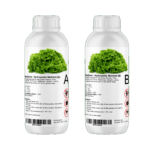
For beginners, a pre-formulated two-part solution (A+B) from reputable brands like MaxGrow UAE, Haifa, or General Hydroponics is recommended. These provide balanced nutrition and take the guesswork out of mixing. Start at half-strength (EC 1.2–1.5) for seedlings.
How often should I change the nutrient solution in UAE?
Every 7–10 days in summer (due to evaporation and salt buildup), and every 14 days in cooler months. Always top up with plain water (not nutrient solution) when levels drop between changes, as evaporation concentrates nutrients.
What causes brown roots in hydroponics?
Brown, slimy roots indicate Pythium root rot — a water mold that thrives in warm, oxygen-depleted water. Causes: water temperature above 24°C, insufficient aeration, light leaking into the reservoir. Treat with increased aeration, lower water temperature, and beneficial microbes (Trichoderma).
How do I fix algae in my hydroponic reservoir?
Block all light from the nutrient reservoir using black opaque containers, black pipe insulation, or light-proof covers. Drain, scrub, and disinfect with 1% bleach solution. Refill with fresh nutrient solution.
What is EC and why does it matter in UAE hydroponics?
EC (electrical conductivity) measures the concentration of dissolved salts (nutrients) in your solution. UAE tap water starts at EC 0.5–1.2 before nutrients are added. Target EC: Seedlings 0.8–1.5, Leafy greens 1.5–2.2, Fruiting plants 2.0–3.5. High EC causes tip burn and salt stress.
References
- University of Arizona CEAC — Hydroponic Food Production Guidance
- Cornell University — Nutrient Management in Soilless Culture
- FAO — Soilless Culture for Horticultural Crop Production
- UAE Ministry of Climate Change and Environment — Agricultural Water Quality Standards
- ADAFSA — Controlled Environment Agriculture Guidelines for UAE