
Hydroponics Blog
Hydroponics vs Soil Gardening UAE 2026: Which is Better?

Quick Answer
In UAE, hydroponics outperforms soil gardening on almost every metric that matters in a desert environment: 90–95% less water, 10–40× more yield per square metre, year-round production vs seasonal, fewer pests, and no need for soil (which is desert sand in most of UAE). Soil gardening has one advantage: lower initial setup cost. For UAE home food production, hydroponics is clearly superior once you account for UAE’s specific challenges.
Hydroponics vs Soil Gardening: UAE Comparison
| Factor | Hydroponics (UAE) | Soil Gardening (UAE) | Winner |
|---|---|---|---|
| Water use per kg produce | 20–40L (lettuce) | 200–400L (lettuce) | Hydroponics |
| Yield per m² | 35–60 kg/year | 3–8 kg/year | Hydroponics (10×) |
| Year-round growing | Yes (indoor AC) | October–May only | Hydroponics |
| Setup cost | AED 300–5,000 | AED 50–300 | Soil gardening |
| UAE soil quality | N/A (no soil used) | Poor (sandy, alkaline) | Hydroponics |
| Pest and disease risk | Low (indoor closed system) | High (outdoor exposure) | Hydroponics |
| Nutrient control | Precise (measurable EC) | Unpredictable | Hydroponics |
| Growing speed | 30–50% faster than soil | Baseline | Hydroponics |
| Learning curve | Moderate (pH management) | Low for basics | Soil gardening |
When Soil Gardening is Still Good in UAE
Soil gardening remains valuable for: fruit trees (dates, citrus — unsuitable for hydroponics), root vegetables (carrots, radishes — difficult in NFT), flowering plants and ornamentals, large-scale low-value crops (where land is available), and growers who prefer a simpler, lower-technology approach. UAE raised bed soil gardening with improved soil (compost + cocopeat + perlite) works well for herbs and vegetables October–April and is a good starting point before moving to hydroponics.
Frequently Asked Questions
Can I start with soil gardening and switch to hydroponics in UAE?
Yes — and it’s a natural progression. Many UAE growers start with pot/raised bed gardening to learn basic plant care, then move to hydroponics for better results. The plant biology knowledge transfers directly. The main new skills for hydroponics are pH and EC management — everything else (planting, spacing, watering schedules, pest recognition) is the same or very similar.
References
- Cornell University — Hydroponics vs Soil Production Comparison
- FAO — Sustainable Urban Food Production Methods
- ADAFSA — Crop Production Methods for UAE Conditions
- ICBA Dubai — Water-Efficient Agriculture Comparison
Related Posts
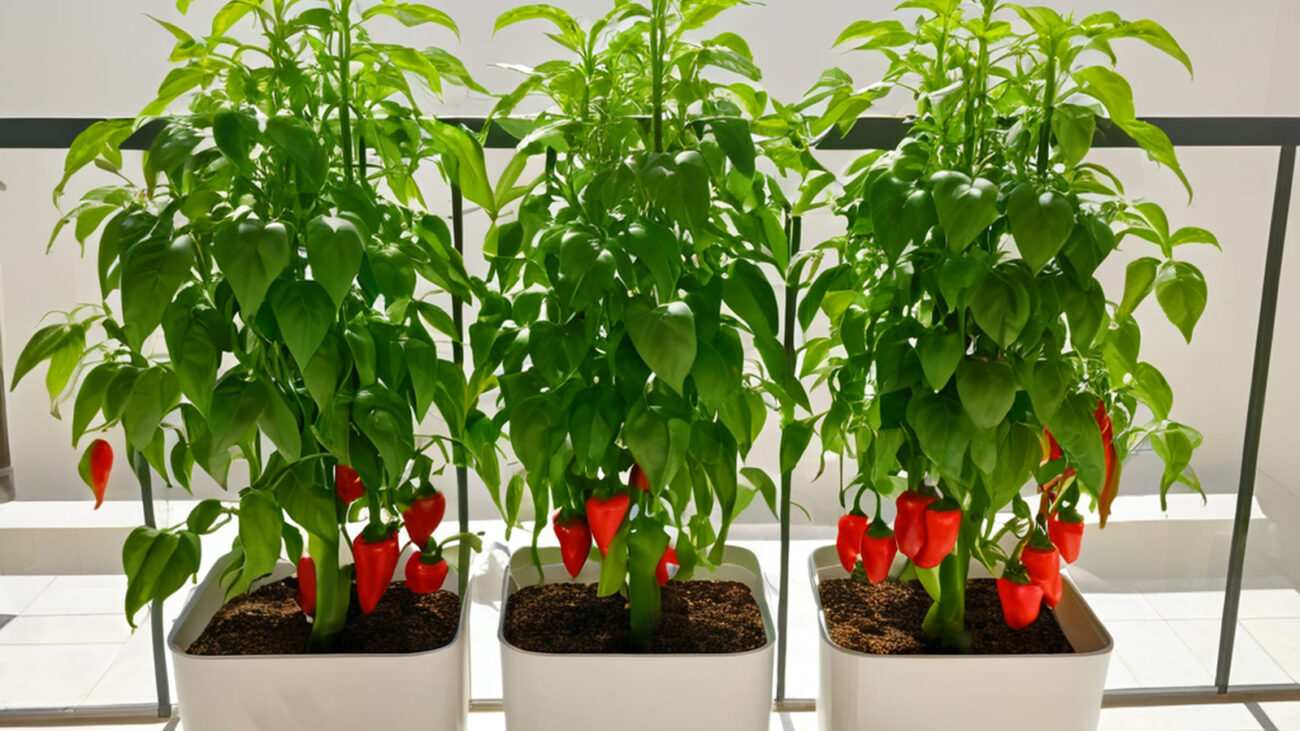
Hydroponic Peppers UAE: Complete Growing Guide for Dubai & Abu Dhabi

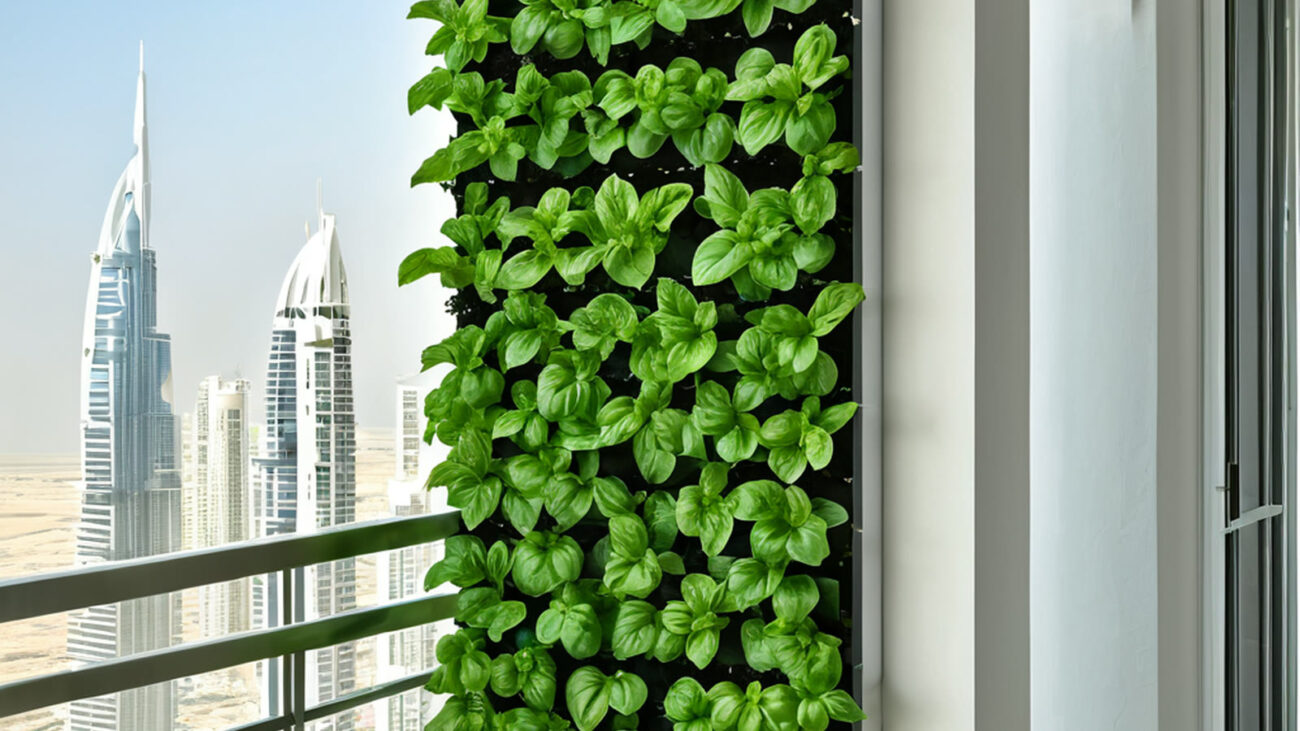
Vertical Garden UAE: Complete Guide to Wall and Tower Garden Systems
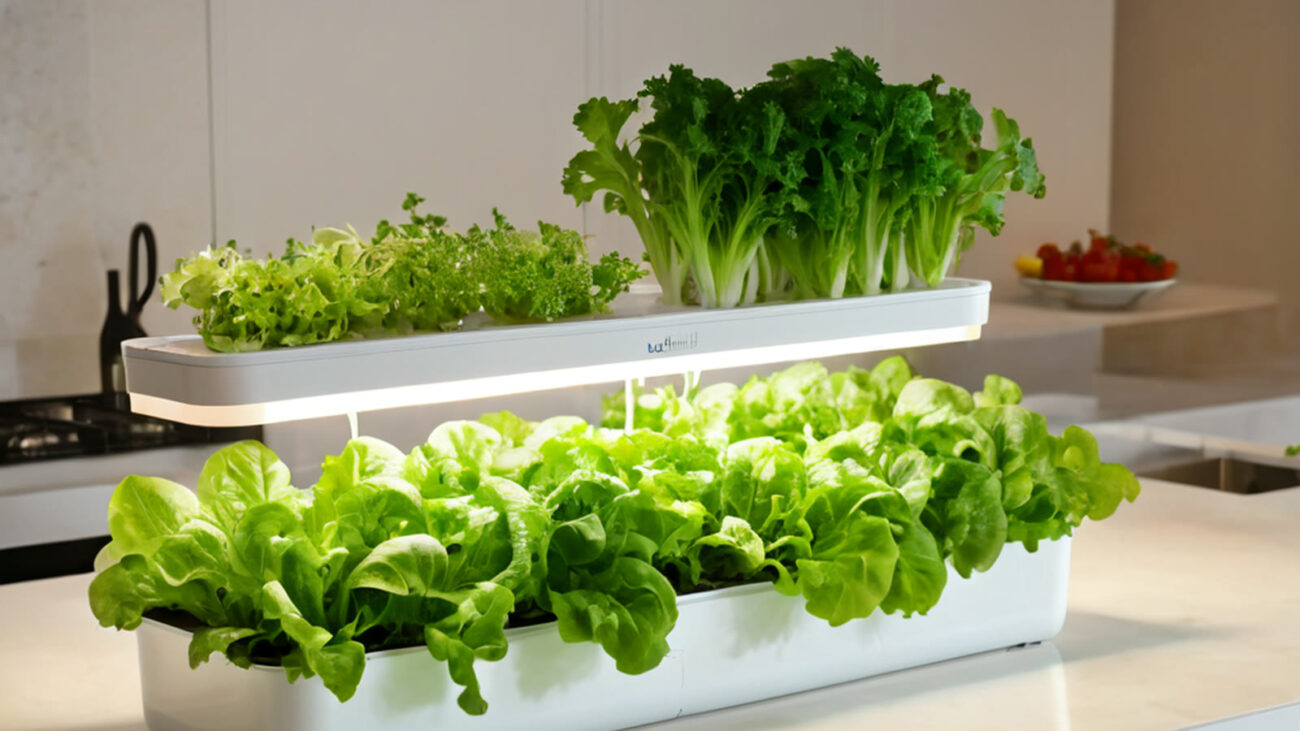
UAE Food Security and Hydroponics: How Home Growing Helps 2026
Hydroponic Cucumbers UAE: Grow Crisp Cucumbers at Home in Dubai 2026
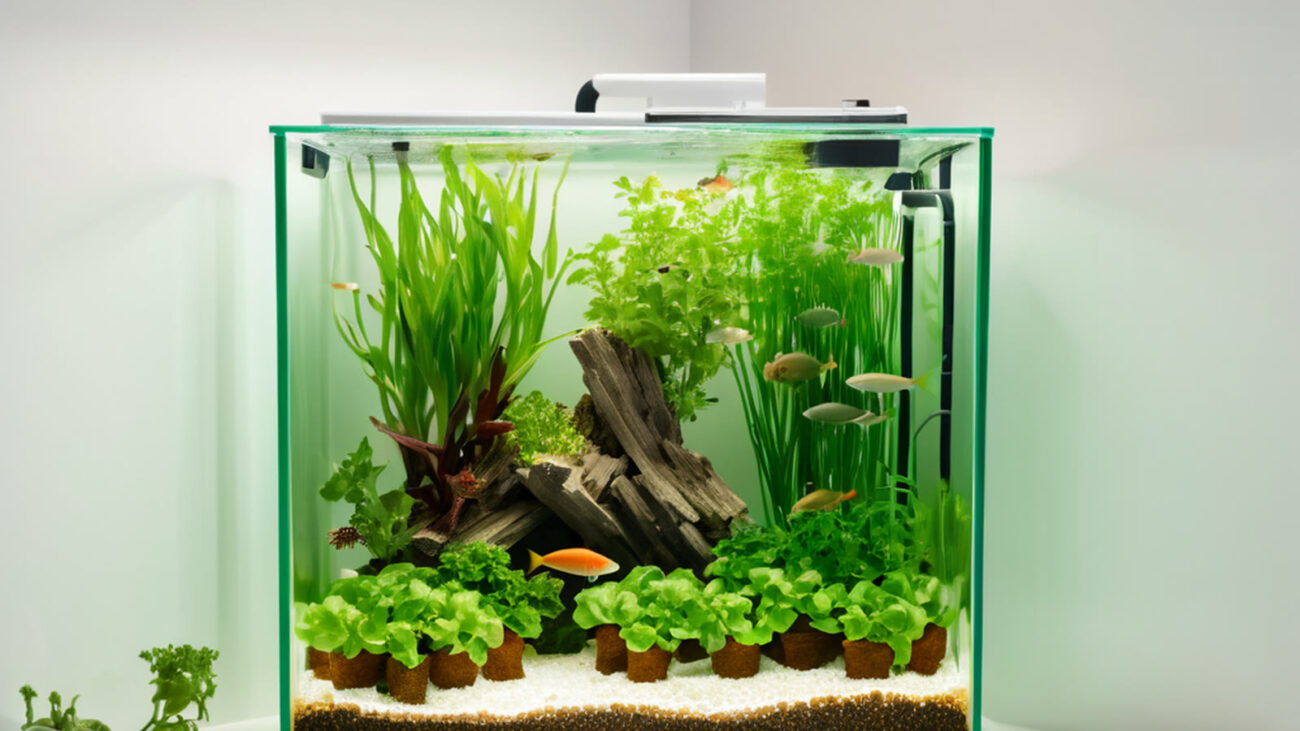
Aquaponics UAE: Combining Fish and Hydroponics in Dubai & Abu Dhabi 2026
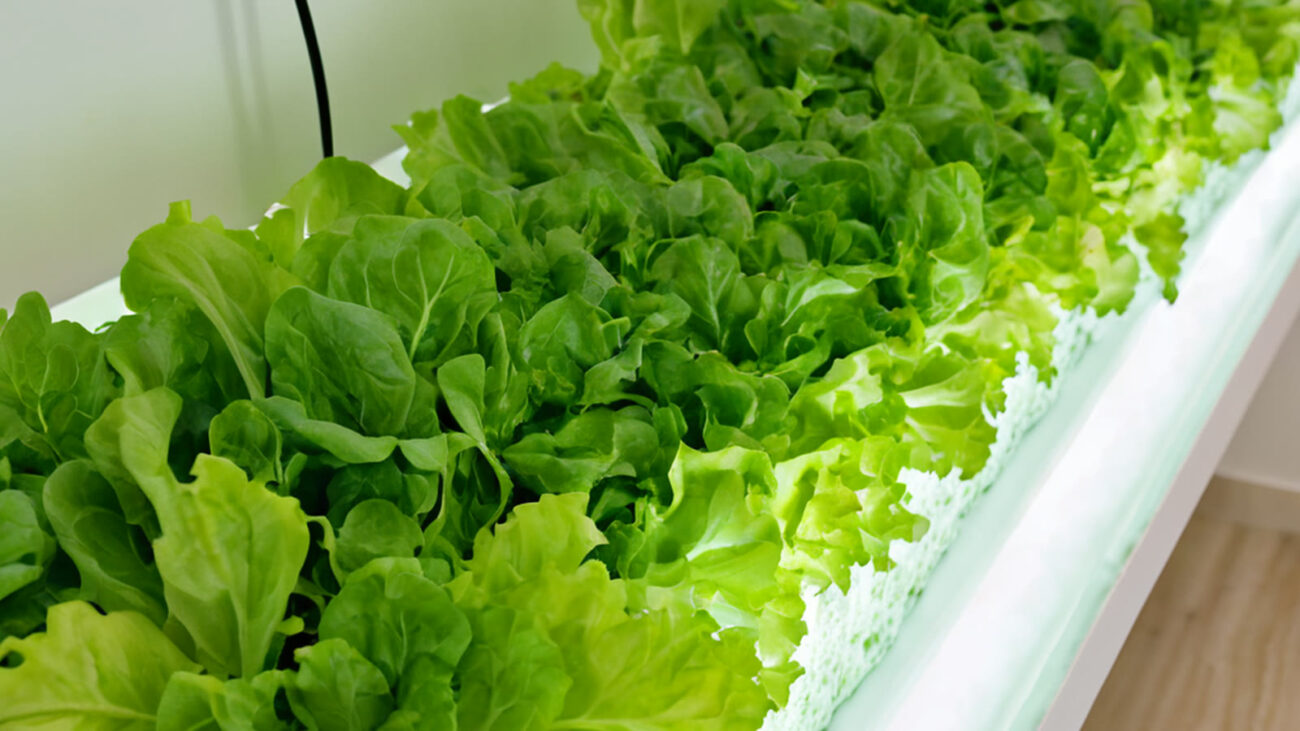
Hydroponic Lettuce UAE: Grow Perfect Salad Greens at Home 2026
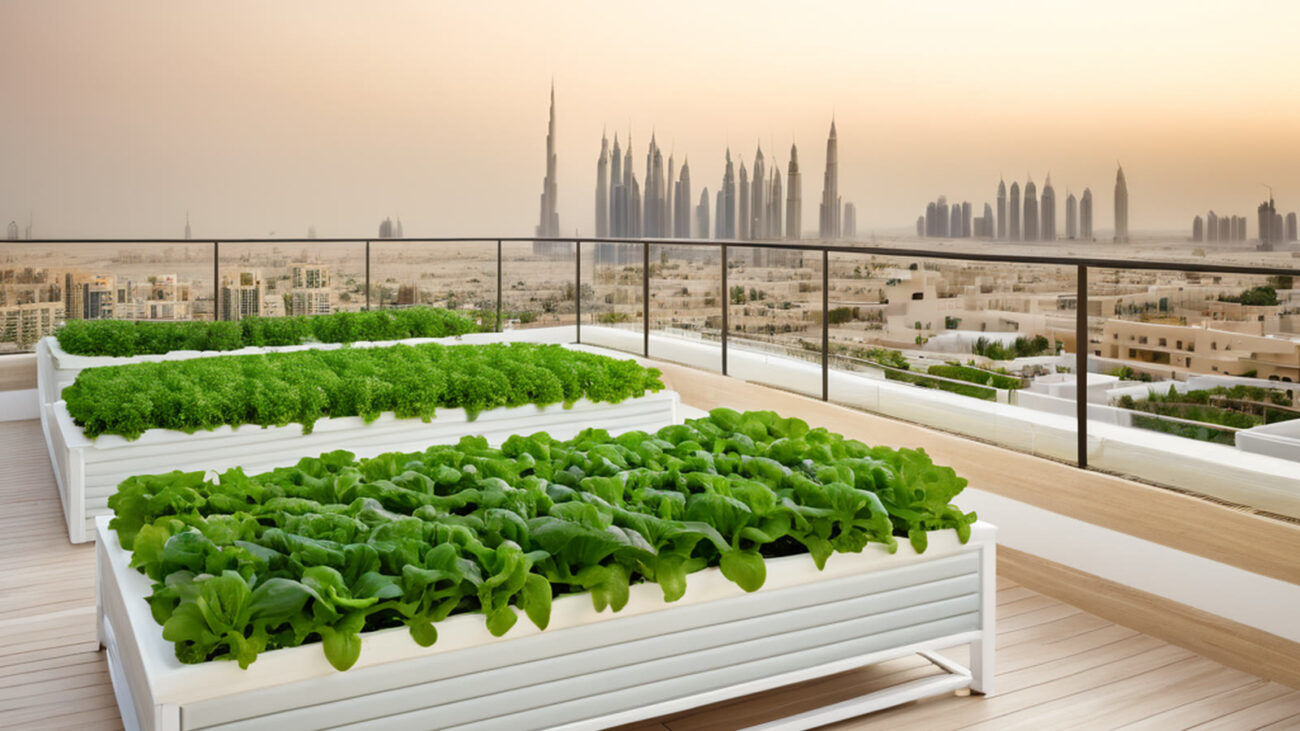
Rooftop Hydroponics UAE: Urban Farming on Dubai & Abu Dhabi Rooftops 2026
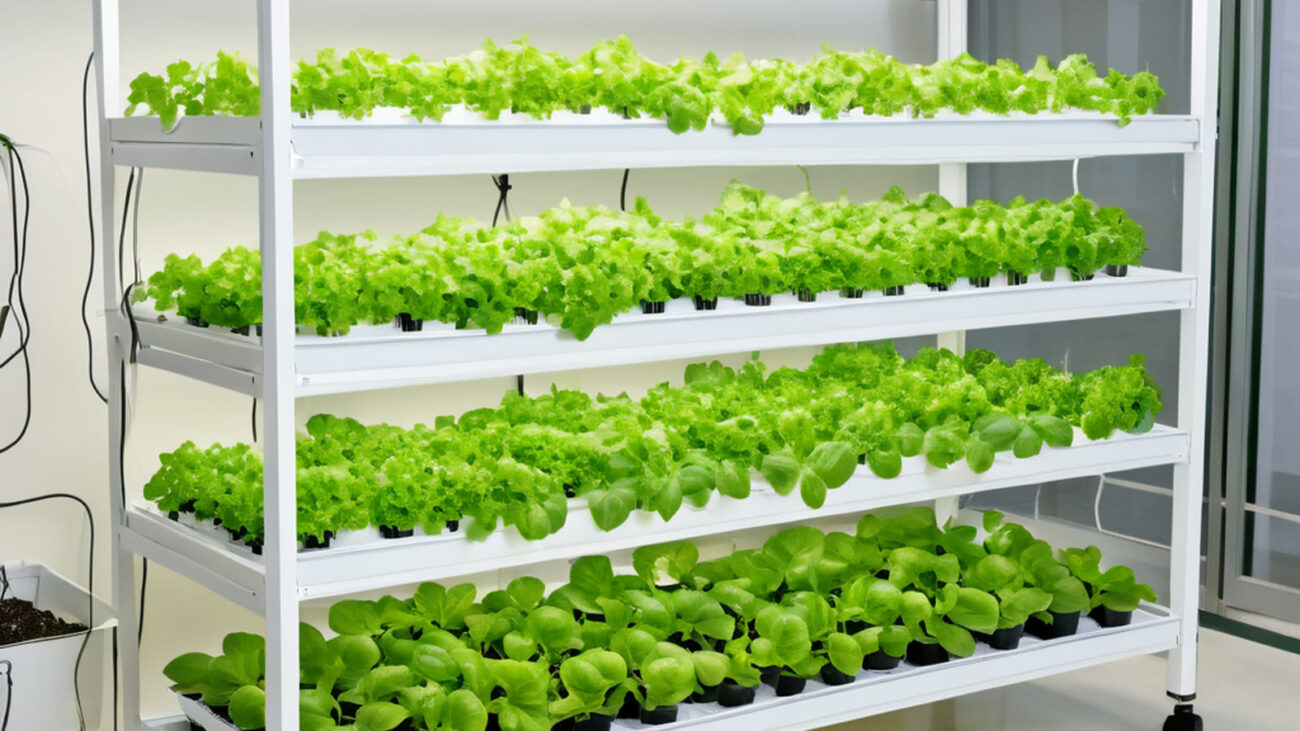
Hydroponics for Schools UAE: Educational Growing Projects 2026
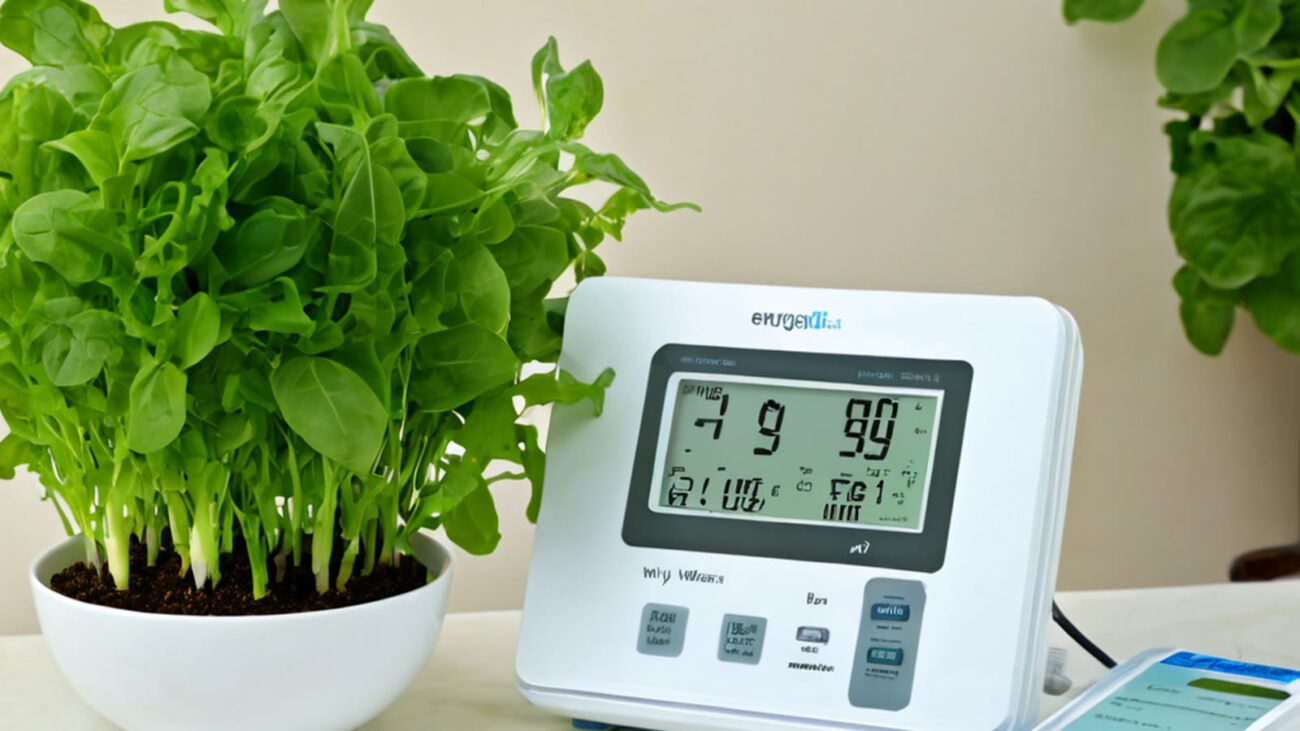
pH and EC Guide for UAE Hydroponic Growers: Master Water Chemistry 2026
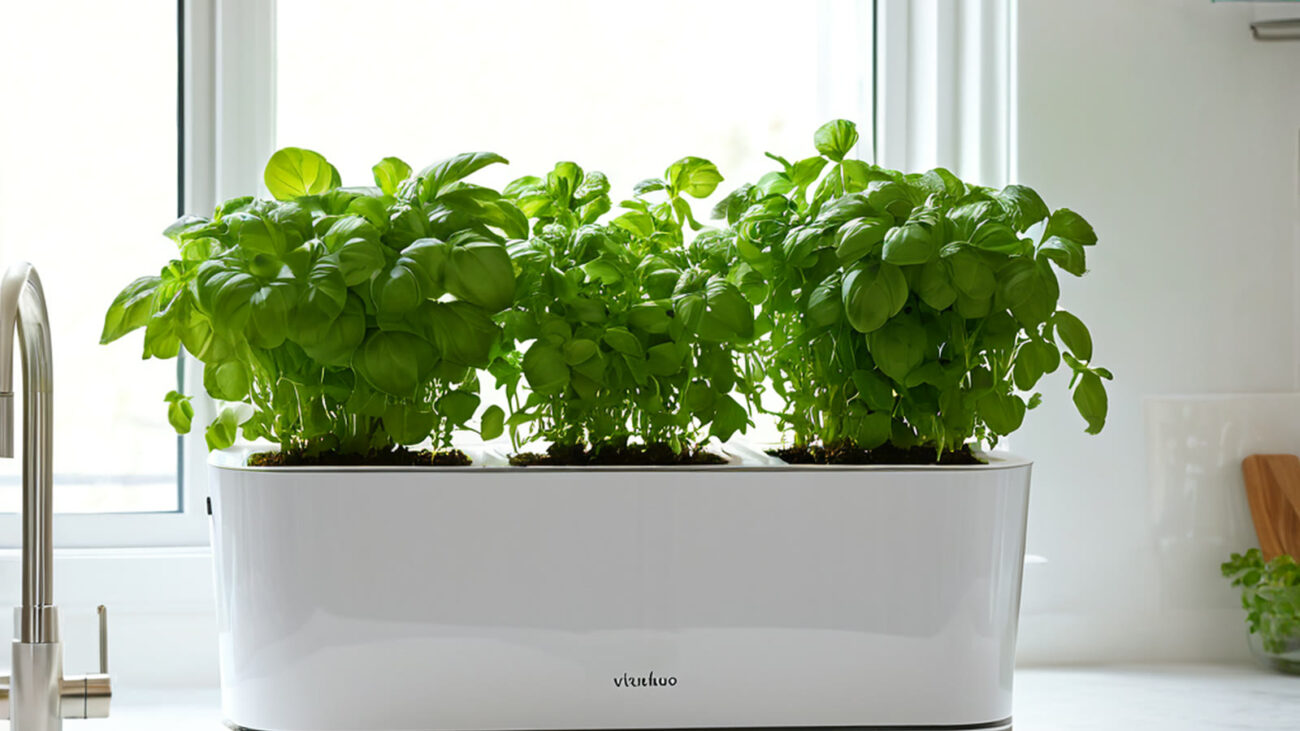
Hydroponic Herbs UAE 2026: Grow Basil, Mint & Coriander at Home
Hydroponic Tomatoes UAE: Grow Juicy Tomatoes at Home 2026
Hydroponic Strawberries UAE: Grow Sweet Berries at Home 2026
One thought on “Hydroponics vs Soil Gardening UAE 2026: Which is Better?”
Leave a Reply
You must be logged in to post a comment.
Very useful comparison between hydroponics and soil gardening. I switched to hydroponics 2 years ago and my yields are 3x better with 90% less water. Perfect for UAE where water is precious!