
Hydroponics Blog
UAE Food Security and Hydroponics: How Home Growing Helps 2026

Quick Answer
The UAE imports over 80% of its food, making it one of the most food-import-dependent countries globally. Hydroponics and controlled environment agriculture are central to the UAE National Food Security Strategy 2051, which targets significant local production increases. Home growing and commercial hydroponics both contribute to UAE food security by reducing import dependence, conserving water, and creating local food supply chains.
UAE Food Security: The Challenge
| Statistic | UAE Value | Global Context |
|---|---|---|
| Food import dependency | Over 80% | One of the world’s highest |
| Annual food imports value | AED 30+ billion | Highly vulnerable to global supply disruptions |
| Arable land | Less than 0.5% of total area | Severely limited by desert geography |
| Annual rainfall | 75–150mm | Well below global average of 715mm |
| Water scarcity rank | Top 5 most water-scarce countries | Relies primarily on desalination |
| Population food demand growth | 3–5% annually | Growing urban population drives demand |
National Food Security Strategy 2051
The UAE National Food Security Strategy 2051 was launched in 2018 with the goal of making the UAE one of the world’s top 10 most food-secure countries by 2051. Key pillars include: increasing domestic food production capacity, reducing food loss and waste, establishing strategic food reserves, and diversifying import sources. Hydroponics and controlled environment agriculture are explicitly identified as key technologies for domestic production growth, given the UAE’s land and water constraints.
How Hydroponics Addresses UAE Food Security Challenges
| UAE Challenge | How Hydroponics Helps | Impact |
|---|---|---|
| Limited arable land | Grows 10–40× more food per m² than field agriculture | Dramatically expands effective growing capacity |
| Water scarcity | Uses 90–95% less water than conventional farming per kg of produce | Aligns with UAE’s water conservation strategy |
| Extreme climate | Climate-controlled growing eliminates seasonal and weather dependency | Year-round production regardless of outdoor conditions |
| Import dependency | Local production substitutes imports for fresh vegetables and herbs | Reduces foreign currency outflow, improves freshness |
| Food traceability | Fully documented growing process with chemical-free options | Supports UAE’s food safety and consumer confidence goals |
Home Growing’s Role in UAE Food Security
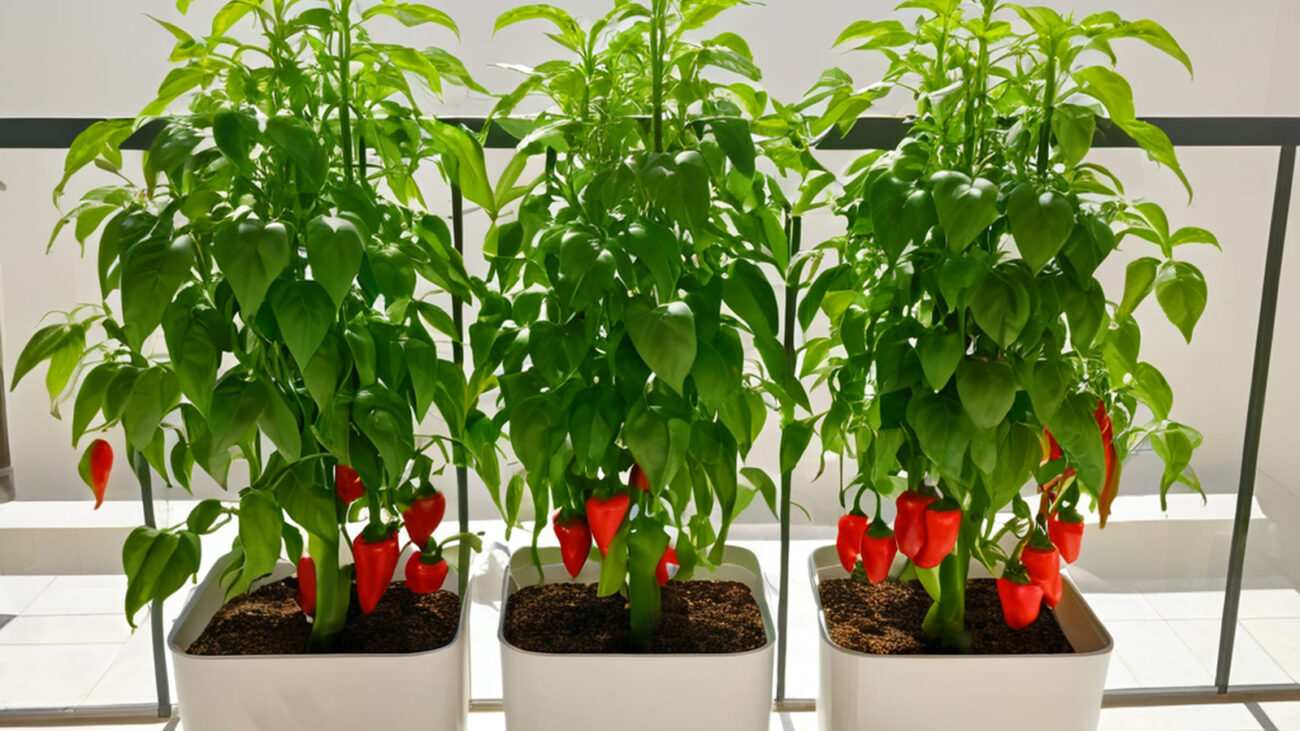
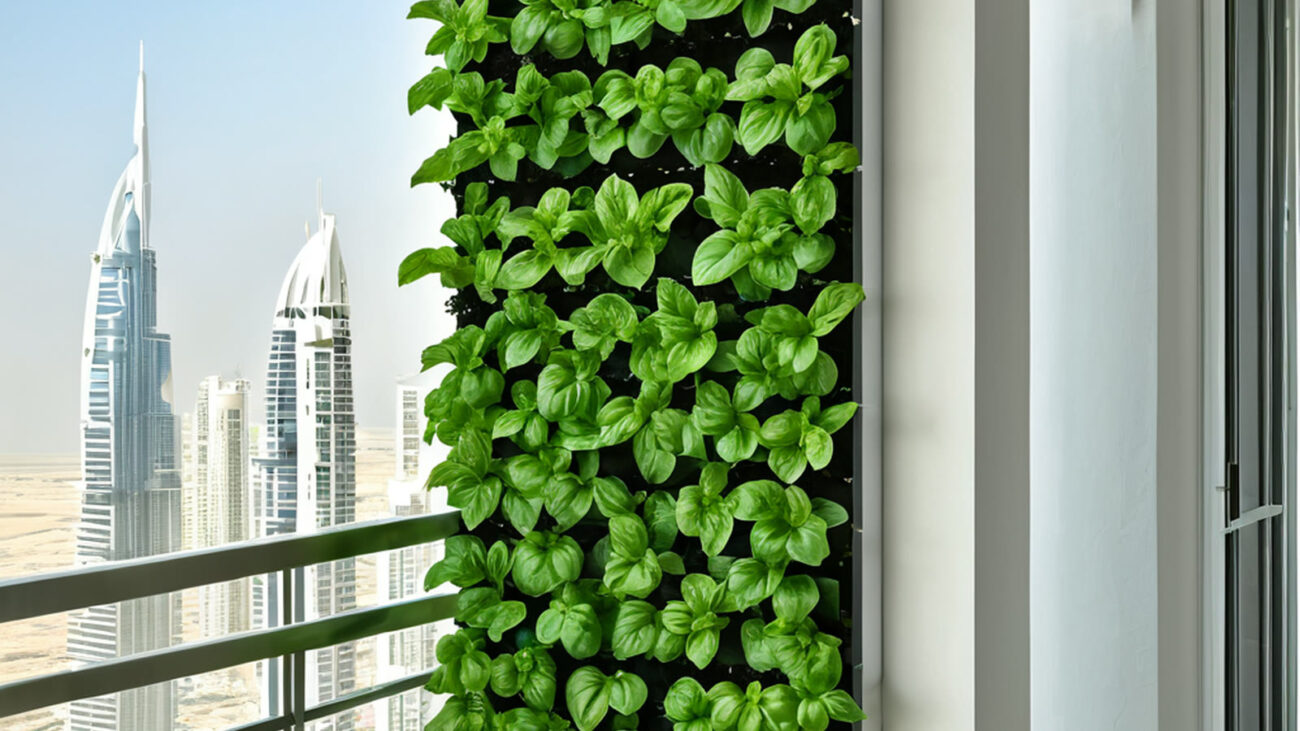
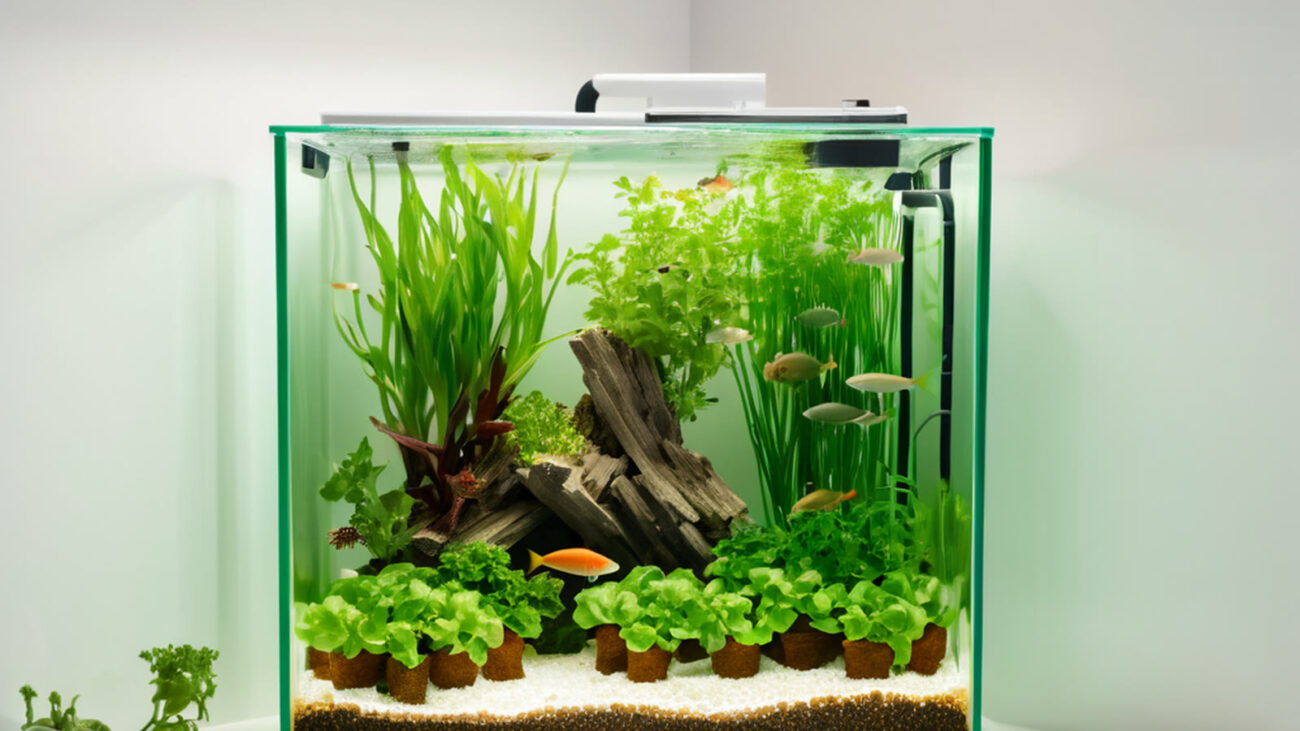
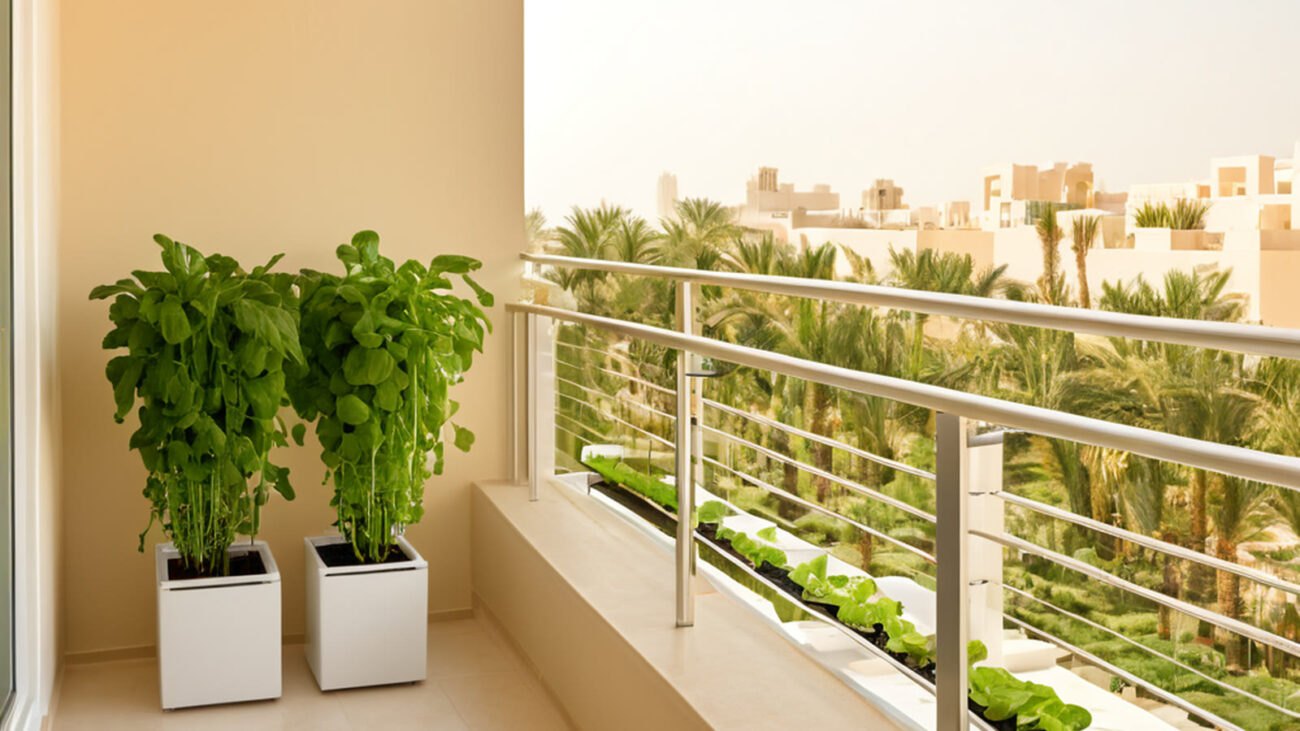
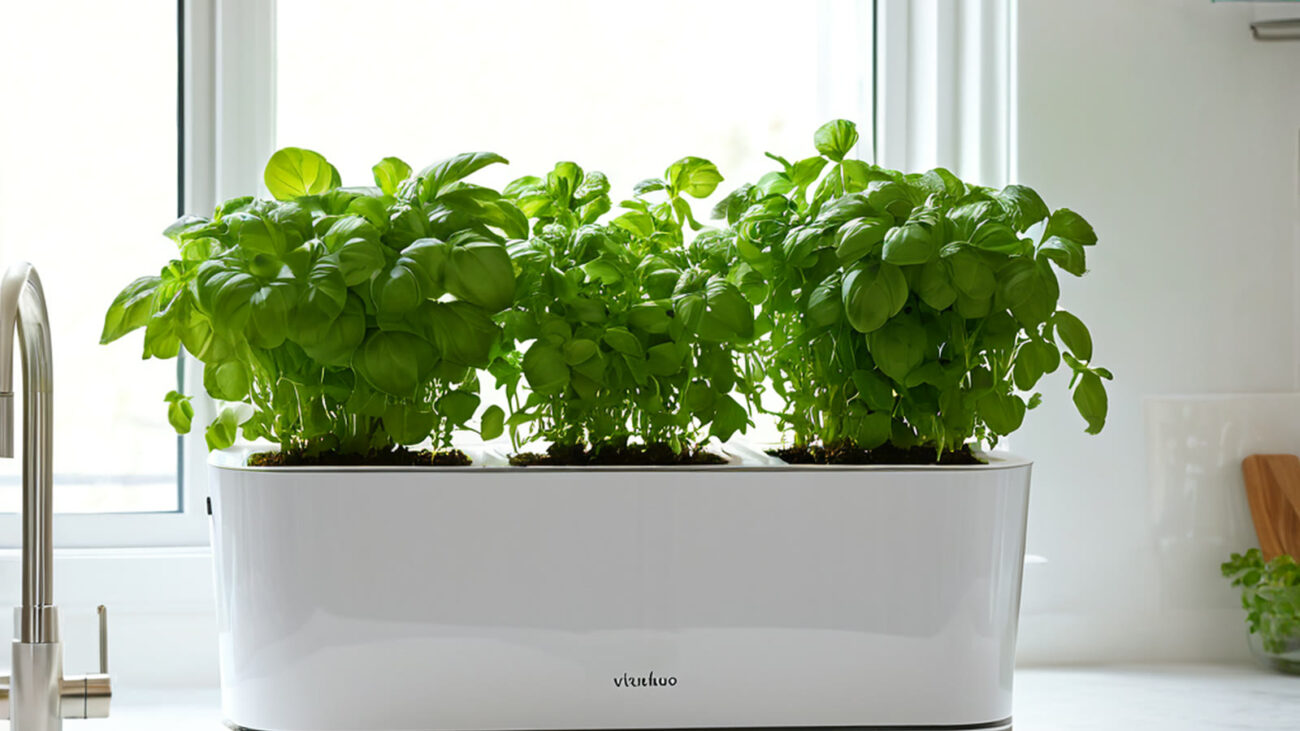
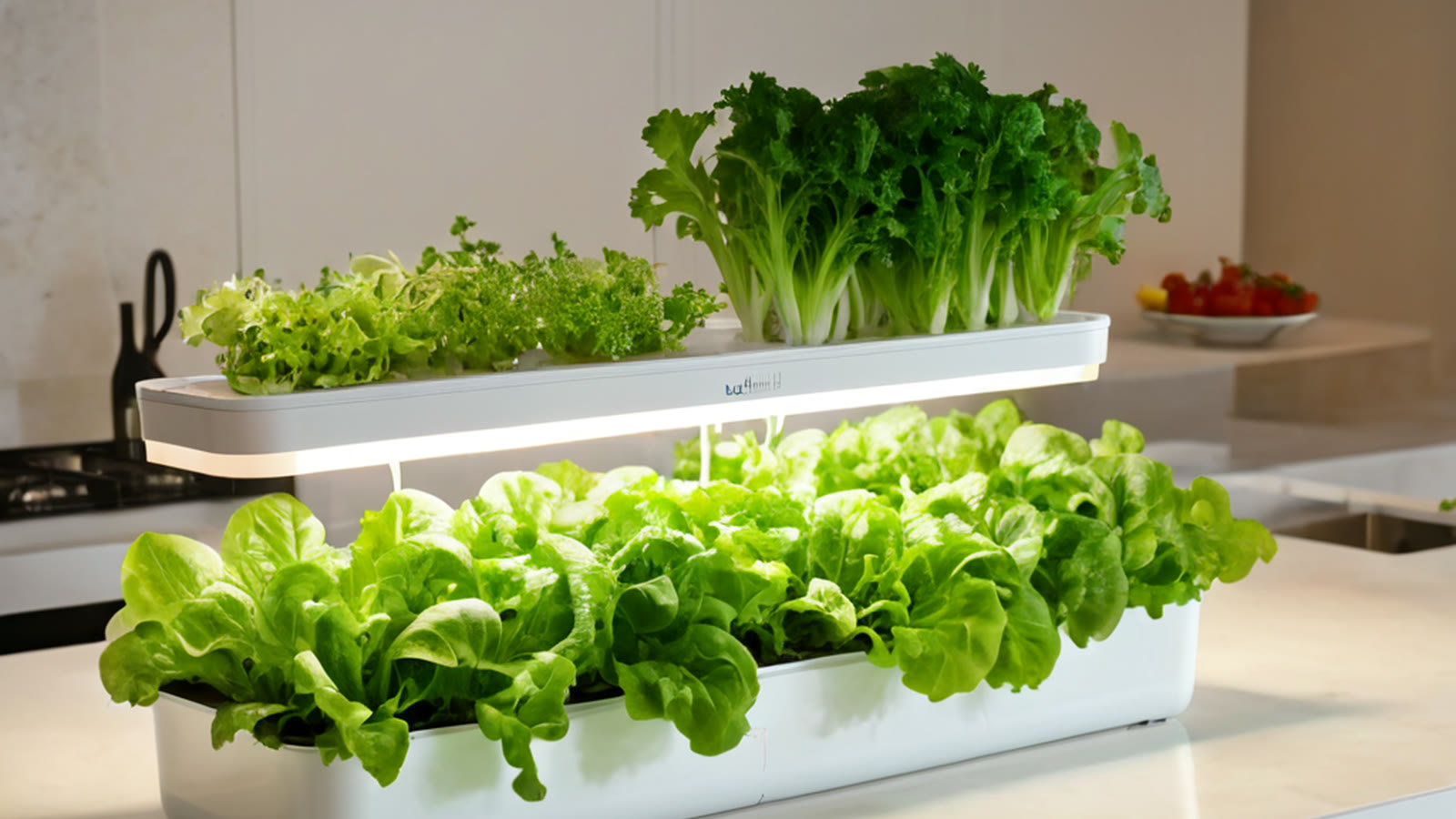
Individual home growing may seem small-scale, but the aggregate impact of thousands of UAE households growing herbs and vegetables hydroponically is significant. Estimated 20,000–50,000 UAE home growers each producing 2–5 kg of fresh herbs and vegetables monthly represent 40–250 tonnes of local monthly production — food that would otherwise be imported. UAE government programs actively encourage home growing as a food security contribution and educational activity for children.
UAE Commercial Hydroponic Farms Contributing to Food Security
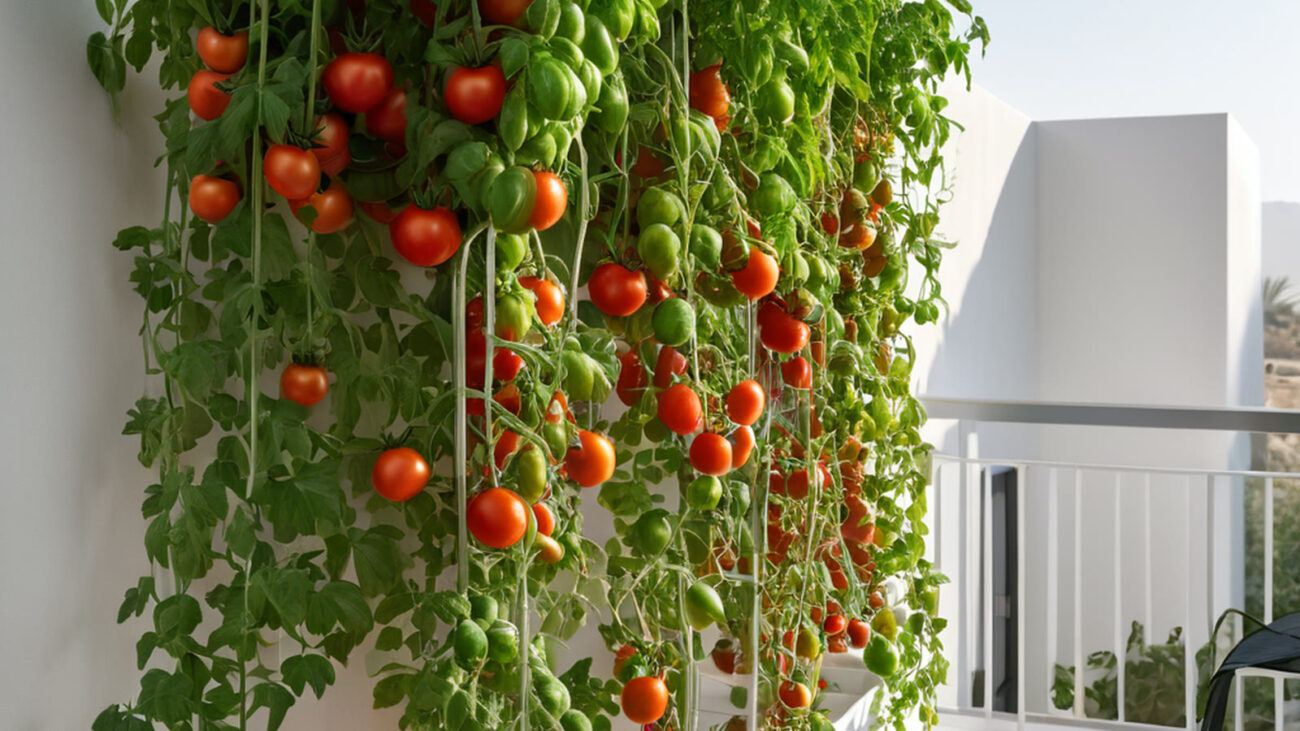
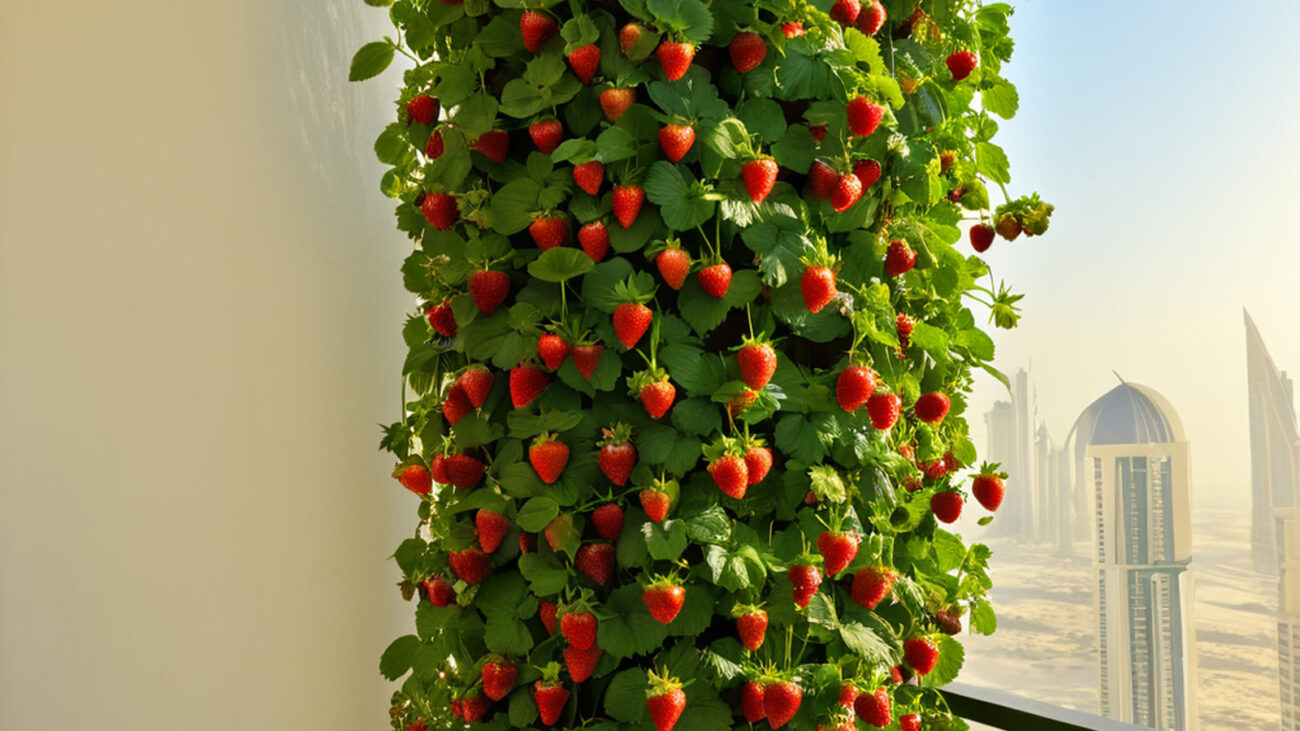
UAE commercial vertical farms and hydroponic greenhouses contribute directly to national food security. Pure Harvest Smart Farms (Abu Dhabi) produces tomatoes, peppers, and cucumbers at commercial scale for UAE retail. Badia Farms (Dubai) produces microgreens and herbs supplying UAE restaurants. Madar Farms (Dubai) operates one of the region’s largest vertical farms. Emirates Hydroponics Farms, Yellow Door Energy partnerships, and numerous SME operations collectively represent a growing domestic food production base aligned with the 2051 strategy.
5 Quotable Facts About UAE Food Security and Hydroponics
- The UAE’s food import dependency of over 80% represents one of the world’s highest food security vulnerabilities — a single major global supply disruption could create acute food shortages within weeks without local production backup.
- UAE hydroponic farms can produce 35–60 kg of lettuce per m² per year — versus 2–4 kg per m² in conventional outdoor field farming in comparable desert conditions — a 15–30× productivity advantage.
- If just 10% of UAE’s fresh vegetable demand were met by domestic hydroponic production, it would save over AED 1 billion annually in food imports and create thousands of agricultural sector jobs.
- Water used to produce 1 kg of lettuce in UAE hydroponics is approximately 20–40 litres, compared to 200–400 litres in conventional soil farming — aligning perfectly with UAE’s national water conservation priorities.
- The UAE’s National Food Security Strategy 2051 specifically cites “smart agriculture technologies” including hydroponics and vertical farming as essential components of achieving its food independence goals.
Frequently Asked Questions
How can I contribute to UAE food security as a home grower?
Start a home hydroponic system growing the herbs and vegetables your household uses most frequently. Fresh herbs (coriander, basil, mint) are imported in large quantities and grow well in small home systems. Share knowledge with neighbors. Consider selling surplus produce through UAE community platforms or farmers markets. Every kilogram of locally grown food reduces import dependence, however small the individual contribution.
Does the UAE government provide support for home hydroponic growing?
Yes, through multiple channels: ADAFSA provides free technical consultation for UAE agricultural projects including home growing; Dubai Municipality has urban farming awareness programs; various government-affiliated entities offer workshops and subsidized equipment for urban growing. These programs are growing as the food security mandate increases in priority.
References
- UAE National Food Security Strategy 2051 — Emirates Food Security Council
- UAE Ministry of Climate Change and Environment — Annual Food Security Report
- FAO — Near East and North Africa Regional Food Security Assessment
- ADAFSA — Abu Dhabi Food Security Strategic Plan
- Dubai Municipality — Dubai Food Security Policy