
Hydroponics Blog
How to Regrow Vegetables Hydroponically in UAE: Kitchen Scraps Guide

Quick Answer
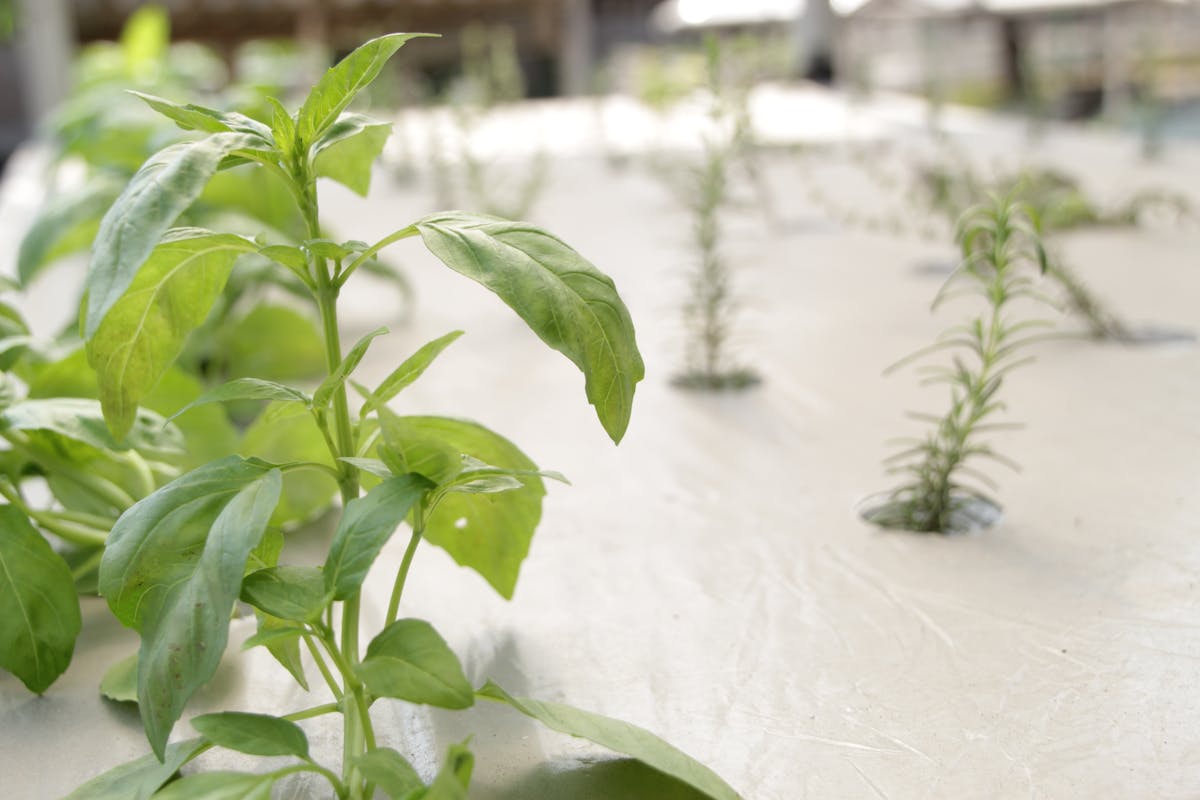
Regrowing vegetables hydroponically in UAE is a beginner-friendly practice: place the base of store-bought lettuce, celery, green onions, or herb stems in water or diluted nutrient solution, and they regrow new leaves within days. While not as productive as seeded crops, regrowth from kitchen scraps is a zero-cost introduction to hydroponic principles and produces fresh leaves within 3–7 days from your grocery shopping.
UAE Vegetables and Herbs That Regrow Hydroponically
| Vegetable/Herb | What to Keep | Regrowth Days | UAE Notes |
|---|---|---|---|
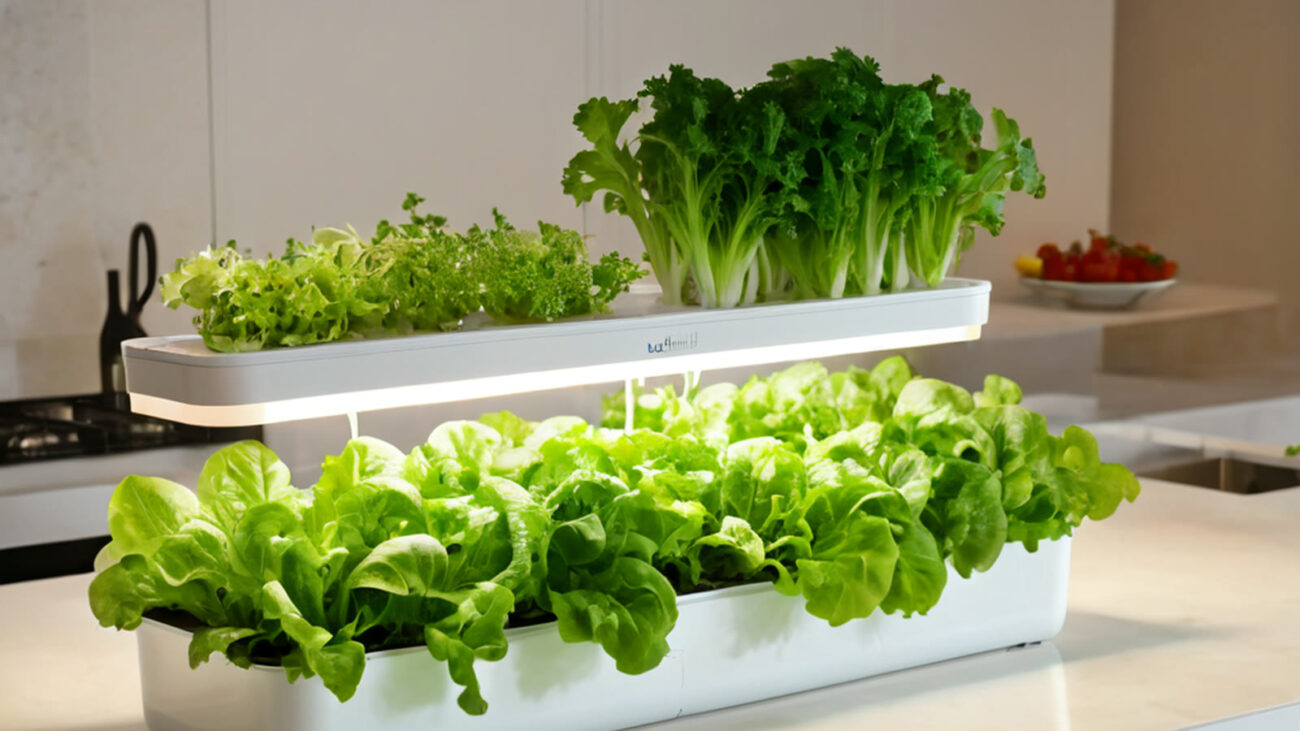
| Lettuce | 3–4cm base stump | 5–10 days | Works well — cut off outer leaves, place base in shallow water |
| Green Onions (Spring Onions) | Root base (3cm) | 3–5 days | Fastest and most reliable UAE kitchen regrowth |
| Celery | 5–6cm base | 7–14 days | Inner stalks regrow — outer stalks used |
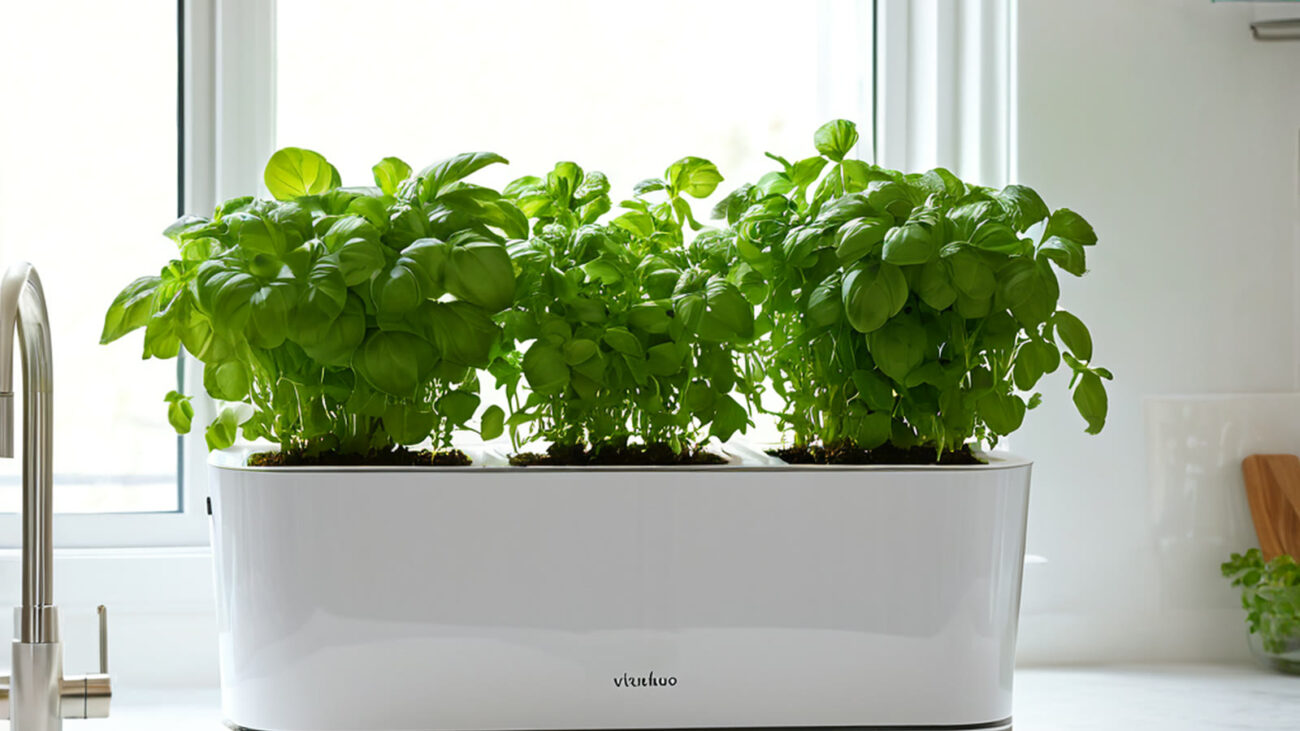
| Basil | 8–12cm stem cutting | 7–14 days to root | Place in water — roots form then transplant to system |
| Mint | Any stem cutting | 5–10 days to root | Mint propagates from cuttings easily — best UAE regrowth herb |
| Coriander | Root base (if roots intact) | 5–12 days | Works if roots are still attached to bunch |
From Kitchen Scraps to Proper Hydroponic Growing
Kitchen scrap regrowth is limited — plants only have the energy stored in the original cutting to fuel regrowth. After 1–2 regrowth cycles, the original cutting is exhausted. To continue producing, save healthy cuttings and root them properly (basil, mint) or move to seed-started plants in a proper hydroponic system. Scrap regrowth is best understood as a demonstration of hydroponic principles rather than a sustainable food production method.
Frequently Asked Questions
How long can I keep regrowing vegetables from kitchen scraps in UAE?
Most kitchen scrap regrowths provide 1–3 cycles of new leaves before the original cutting is depleted. Green onions are the exception — they can regrow continuously for months if the root base remains healthy and nutrients are provided. For ongoing production, transition to properly seeded hydroponic crops rather than relying on kitchen scraps, which provide small quantities and declining quality after the first regrowth.
References
- Cornell University — Vegetative Propagation in Hydroponics
- FAO — Home Food Production Techniques
- ADAFSA — Home Growing Education Programs