
Hydroponics Blog
Hydroponic Root Zone Temperature Management in Extreme Heat: A Scientific Approach for UAE Growers (2026)

Why Root Zone Temperature Is the Silent Killer of UAE Hydroponic Systems
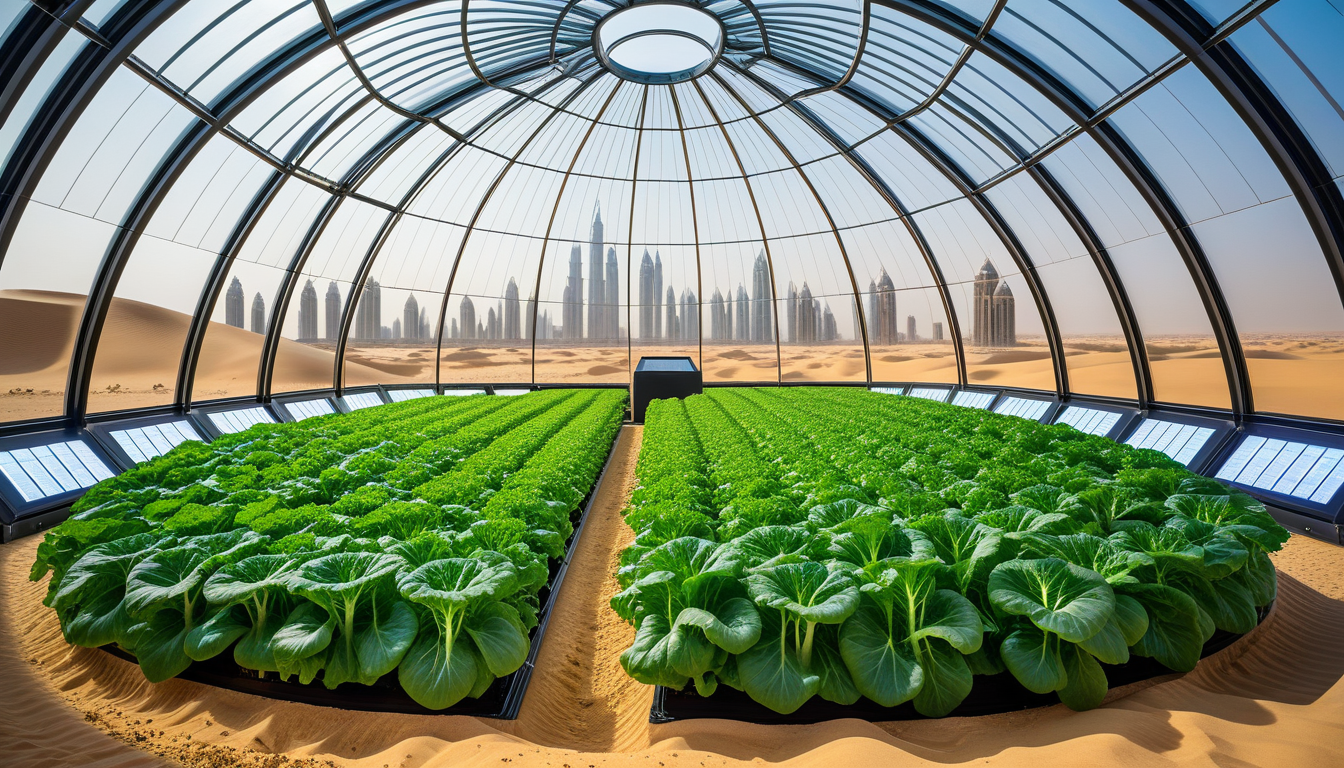
When ambient temperatures in Dubai, Abu Dhabi, and Sharjah exceed 45°C during July and August, most hydroponic growers notice their plants wilting, yellowing, and dying — even when nutrient concentrations and pH levels appear correct. The culprit is rarely what growers suspect.
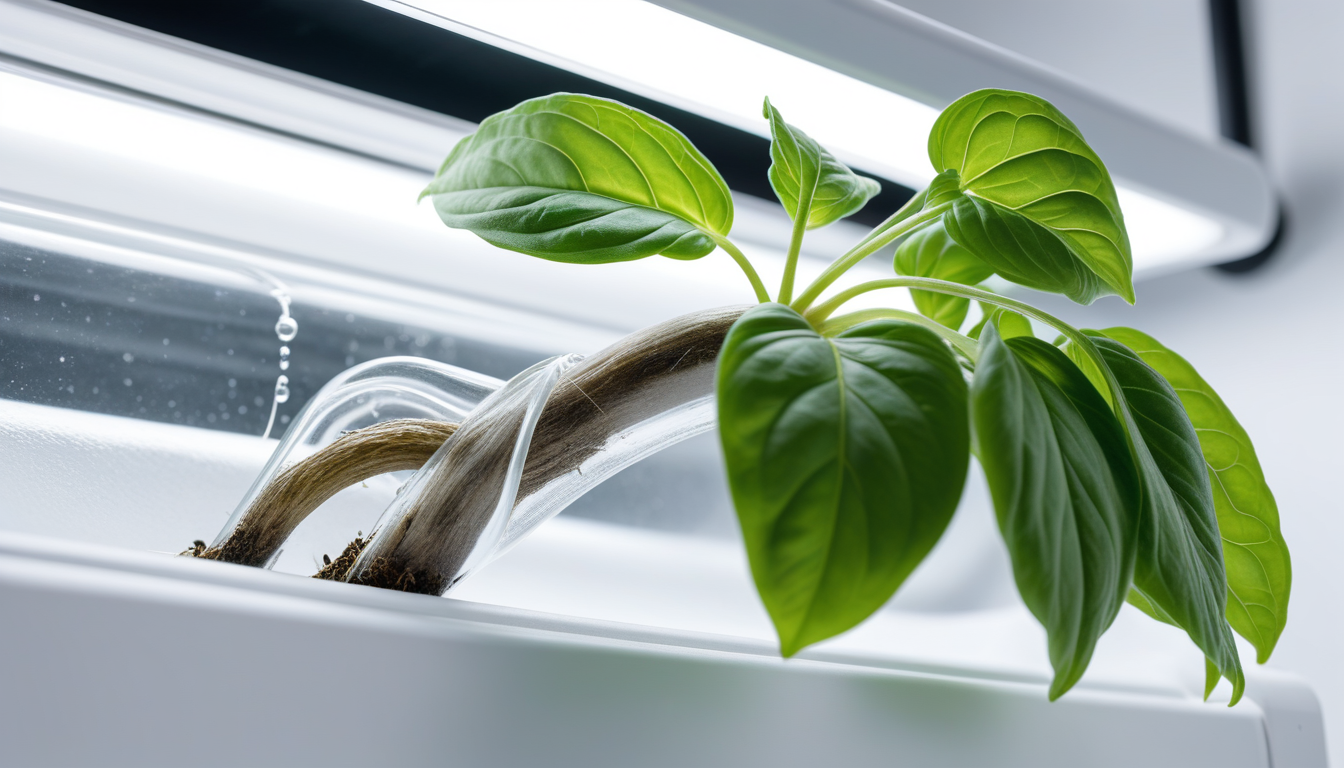
The root zone temperature — the temperature of the nutrient solution surrounding your plant roots — is the single most critical and most neglected variable in UAE hydroponic production. Research published in the Journal of Plant Physiology (2023) demonstrates that when nutrient solution temperatures exceed 28°C, dissolved oxygen levels drop below the 6 mg/L threshold required for healthy root respiration. Above 32°C, pathogenic organisms like Pythium and Fusarium proliferate exponentially, with colony-forming units doubling every 4.2 hours.
The Thermodynamics of Nutrient Solutions in UAE Climate
Understanding why UAE conditions are uniquely challenging requires examining the physics of heat transfer in hydroponic systems:
1. Solar Radiation Load
The UAE receives an average solar irradiance of 5.5–6.5 kWh/m²/day — among the highest globally. In NFT channels, PVC pipes, and exposed reservoirs, this translates to rapid thermal gain. A standard white PVC NFT channel exposed to direct UAE summer sun will reach internal temperatures of 38–42°C within 90 minutes of sunrise, even when filled with 22°C nutrient solution.
2. Ambient Heat Conduction
Unlike temperate climates where nighttime temperatures drop to 15–20°C (allowing passive cooling), UAE nighttime lows in summer remain at 32–35°C. This eliminates the natural thermal recovery window that European and American growers rely on. Your nutrient reservoir never cools down passively — it accumulates heat over a 24-hour cycle.
3. Dissolved Oxygen Inverse Relationship
This is the critical science most guides miss. Dissolved oxygen (DO) in water follows Henry’s Law — as temperature increases, the saturation concentration of oxygen decreases:
- 20°C: DO saturation = 9.08 mg/L
- 25°C: DO saturation = 8.26 mg/L
- 30°C: DO saturation = 7.54 mg/L
- 35°C: DO saturation = 6.93 mg/L
- 40°C: DO saturation = 6.41 mg/L
Most leafy greens require a minimum of 5–6 mg/L DO for healthy root function. Fruiting crops like tomatoes and peppers need 6–8 mg/L. When your reservoir hits 38°C, you are operating at the absolute physiological limit — any additional oxygen demand from root respiration or microbial activity pushes the system into hypoxia.
Engineering Solutions: Ranked by Effectiveness for UAE
Tier 1: Active Chilling (Most Effective)
Nutrient solution chillers are the gold standard for UAE hydroponic operations. A properly sized aquarium or hydroponic chiller maintains reservoir temperature at 18–22°C regardless of ambient conditions.
Sizing formula for UAE: Calculate 1/4 HP (horsepower) of chilling capacity per 100 liters of nutrient solution for systems exposed to partial sun. For fully exposed systems, use 1/3 HP per 100 liters. A typical home NFT system with a 200L reservoir in a Sharjah balcony requires a minimum 1/2 HP chiller.
Energy cost in UAE: Running a 1/2 HP chiller continuously during summer months (June–September) costs approximately AED 180–250/month at current SEWA/DEWA rates (0.38 AED/kWh). This is a negligible cost compared to losing an entire crop cycle worth AED 500–2,000 in produce.
Tier 2: Passive Insulation + Reflective Shielding
For growers who cannot invest in chillers, passive thermal management can reduce reservoir temperatures by 8–12°C:
- Wrap all PVC channels and reservoirs in reflective aluminum bubble insulation (available at ACE Hardware UAE, AED 45–80 per roll). This reflects 97% of radiant heat.
- Bury reservoirs partially underground — UAE ground temperature at 50cm depth remains at 28–30°C year-round, significantly cooler than ambient air.
- Use white or reflective containers only — black containers absorb 85% more solar radiation. This single change can reduce peak reservoir temperature by 6°C.
- Shade cloth (80% density) over the entire system reduces solar radiation load by 80% while still allowing adequate light for most leafy greens (they need only 200–400 µmol/m²/s PAR).
Tier 3: Oxygen Supplementation
When you cannot control temperature, compensate by increasing dissolved oxygen through mechanical means:
- Air stones + air pump: A 20W commercial air pump with multiple air stones in the reservoir can maintain DO at 7–8 mg/L even at 32°C solution temperature. This is the minimum recommended intervention for any UAE hydroponic system.
- Venturi injectors: Installed in the return line, these use the Bernoulli principle to inject atmospheric air into the nutrient flow. More efficient than air stones for large commercial systems (>500L).
- Hydrogen peroxide (H₂O₂): Adding food-grade 35% H₂O₂ at 3ml per 10L of nutrient solution every 48 hours provides both supplemental oxygen and pathogen suppression. Caution: H₂O₂ kills beneficial microbes — only use in sterile (non-organic) hydroponic systems.
UAE-Specific Crop Selection for Summer (June–September)
Not all crops can survive UAE summer conditions, even with temperature management. Based on field data from UAE growers and agricultural research stations:
Heat-Tolerant (Recommended for Summer)
| Crop | Max Root Temp | System | Days to Harvest | Notes |
|---|---|---|---|---|
| Basil (Genovese) | 32°C | NFT, DWC | 25–30 | Thrives in UAE summer heat |
| Mint (Spearmint) | 30°C | NFT, DWC | 20–25 | Extremely resilient |
| Kangkong (Water Spinach) | 35°C | DWC, NFT | 21–28 | Best heat-tolerant leafy green |
| Malabar Spinach | 35°C | Dutch Bucket | 45–60 | Vining, needs vertical support |
| Okra | 33°C | Dutch Bucket | 50–60 | Heavy feeder, high EC tolerance |
| Cherry Tomatoes | 30°C | Dutch Bucket | 60–80 | Use heat-tolerant varieties only |
Heat-Sensitive (Avoid June–September)
| Crop | Max Root Temp | Why It Fails in UAE Summer |
|---|---|---|
| Lettuce | 24°C | Bolts rapidly above 28°C, becomes bitter |
| Spinach | 22°C | Bolts within days at UAE summer temps |
| Strawberries | 22°C | Stops fruiting, crown rot risk |
| Cilantro/Coriander | 24°C | Bolts to seed in under 2 weeks |
Monitoring Protocol: What to Measure and When
University-level hydroponic management in UAE requires monitoring beyond basic pH and EC:
- Nutrient solution temperature: Measure at 6 AM, 12 PM, 6 PM, and 12 AM for the first week to establish your system’s thermal profile. Use a waterproof digital thermometer (accuracy ±0.5°C minimum).
- Dissolved oxygen: Invest in a DO meter (AED 200–600 on Amazon.ae). Measure daily at the point of return flow — this is where DO is lowest. Target: >6 mg/L at all times.
- Root health inspection: Weekly visual inspection. Healthy roots are white/cream with abundant root hairs. Brown, slimy, or foul-smelling roots indicate Pythium infection — immediately treat with H₂O₂ and reduce temperature.
- Reservoir water level: In UAE heat, evapotranspiration rates of 5–15% per day are normal. Top up with RO or distilled water (not fresh nutrient solution) to prevent EC spikes.
Cost-Benefit Analysis: Is Summer Growing Worth It in UAE?
A common question from UAE hobby growers: should I shut down during summer?
For leafy greens (lettuce, spinach): Yes, shut down June–September unless you have active chilling. The electricity cost of chilling below 24°C exceeds the value of the crop for home growers.
For herbs (basil, mint, parsley): Absolutely continue. These crops tolerate UAE summer heat, have high retail value (AED 5–15 per bunch at Carrefour/Lulu), and produce continuously for 3–4 months per planting. A 10-channel NFT system produces AED 200–400/month in herbs with minimal input cost.
For fruiting crops (tomatoes, peppers, cucumbers): Continue only with heat-tolerant varieties and adequate cooling. The value proposition is strong — a single Dutch Bucket tomato plant produces 8–15 kg of tomatoes over its lifecycle, worth AED 80–150 at retail.
References and Further Reading
- Sakamoto, M. & Suzuki, T. (2023). Effect of Root-Zone Temperature on Growth and Quality of Hydroponically Grown Lettuce. Journal of Plant Physiology, 280, 153876.
- Al-Karaki, G.N. (2021). Hydroponic Production of Vegetables in the Arabian Gulf Region. Acta Horticulturae, 1320, 337–344.
- Savvas, D. & Gruda, N. (2018). Application of Soilless Culture Technologies in the Modern Greenhouse Industry. European Journal of Horticultural Science, 83(5), 280–293.
- UAE Ministry of Climate Change and Environment (2024). National Food Security Strategy 2051 — Agricultural Technology Report.
Need help setting up a heat-resistant hydroponic system in UAE? Browse our complete range of hydroponic supplies — NFT systems, nutrient solutions, growing media, and monitoring equipment with fast delivery across Dubai, Abu Dhabi, Sharjah, and all Emirates.
Shop Hydroponic Systems | Shop Nutrients | Shop Growing Media