
Hydroponics Blog
Hydroton LECA Clay Pebbles UAE: Buy Guide & Complete How-To 2026

Quick Answer
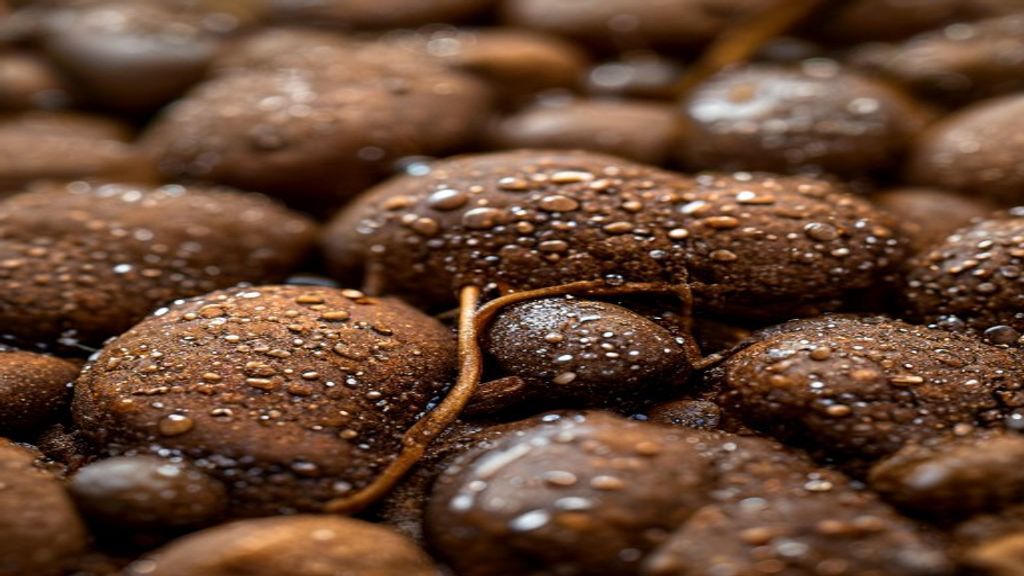
Hydroton (LECA — Lightweight Expanded Clay Aggregate) clay pebbles are the most popular reusable growing media for UAE hydroponics. pH neutral, drainage-excellent, reusable for 5+ years, and available from UAE hydroponic shops in 2L, 10L, and 50L bags. Price: AED 20–80 per litre (decreases significantly in bulk). Pre-soak in pH 5.5 water for 24 hours before first use. Best for: NFT net pots, DWC, media beds.
Key Definitions
- LECA (Lightweight Expanded Clay Aggregate): Clay pellets fired in a rotary kiln at 1,200°C until they expand into porous, lightweight balls. Also called hydroton, clay pebbles, or expanded clay.
- Reusable Growing Media: Growing media that can be cleaned and used across multiple crop cycles. LECA is among the most durable — lasting 5–10 years with proper maintenance.
- CEC (Cation Exchange Capacity): LECA has minimal CEC — it does not hold nutrients, meaning all nutrition comes from the nutrient solution. This makes it precise and controllable.
- Drainage: LECA’s round shape creates large air pockets between balls, providing excellent drainage — preventing waterlogging that causes root rot, especially important in UAE’s hot climate.
Hydroton LECA Technical Specifications
| Property | Value | UAE Significance |
|---|---|---|
| pH | 6.5–7.0 (neutral) | Pre-soak in pH 5.5 water to neutralize before use |
| Bulk Density | 300–450 kg/m³ | Lightweight — no structural issues in apartment systems |
| Water Holding Capacity | 35–50% of volume | Lower retention requires more frequent irrigation |
| Air Space | 50–65% of volume | Excellent aeration — root rot prevention |
| Reusability | 5–10+ years | Most cost-effective media over time |
| Pore Size (media) | 8–25mm typical | Larger size for flood/drain; smaller for NFT |
LECA Sizes and Applications
| Size | Diameter | Best For | Flow Characteristics |
|---|---|---|---|
| Fine (4–8mm) | 4–8mm | Small net pots, seedlings, NFT | Higher water retention |
| Standard (8–16mm) | 8–16mm | Most net pots, DWC, media beds | Balanced drainage/retention |
| Coarse (16–25mm) | 16–25mm | Large media beds, flood/drain | Excellent drainage, lower retention |
How to Prepare LECA for UAE Use
- Rinse: Wash in clean water until water runs clear (removes clay dust — water initially runs orange)
- Pre-soak: Submerge completely in pH 5.5 water for 24 hours to neutralize any residual alkalinity
- Drain: Allow to drain thoroughly before filling into net pots or media beds
- First use check: Measure pH of the soaking water after 24 hours — should be below 6.5
Cleaning LECA Between Crop Cycles in UAE
UAE hard water (EC 0.5–1.2, high calcium/magnesium) deposits mineral scale on LECA over time — visible as white coating. Cleaning between cycles: remove root debris manually; soak in 5–10% citric acid solution (50–100g/L) for 2–4 hours to dissolve mineral scale; rinse thoroughly; then soak in 1% bleach (sodium hypochlorite) for 1 hour to disinfect; rinse 3× with clean water; pre-soak in pH 5.5 water for 24 hours before reuse.
Where to Buy Hydroton LECA in UAE
| Source | Pack Size | Price (AED) | Notes |
|---|---|---|---|
| uae-hydroponics.com | 2L, 10L, 50L bags | 25–80 (2L), 80–180 (10L) | UAE delivery |
| Hydroponic shops (Al Quoz) | 2L, 10L | 20–70 (2L) | Same day purchase |
| Noon / Amazon UAE | Various | 25–100 | Verify brand quality |
| Garden centers (UAE) | 2L, 5L bags | 20–60 | Limited selection |
Frequently Asked Questions
How long does LECA last in UAE hydroponics?
With proper cleaning between crop cycles, LECA lasts 5–10 years or indefinitely. The main limiting factor is physical breakdown of the clay balls (they become softer and crumble with repeated acid washing) and accumulation of mineral scale from UAE hard water that resists cleaning. Most UAE growers get 3–6 years from a bag of quality LECA with regular maintenance.
Do I need to pre-soak LECA before every use?
Yes — pre-soak both new and reused LECA in pH 5.5 water for 24 hours before use. New LECA has manufacturing residue; reused LECA may have picked up alkalinity from UAE tap water rinsing. Pre-soaking ensures the media enters your system at the correct pH rather than raising your nutrient solution pH.
References
- Resh, H.M. — Hydroponic Food Production, 7th Edition
- FAO — Growing Media for Soilless Culture
- University of Arizona CEAC — Hydroponic System Components
- ADAFSA — Hydroponic Equipment Standards