
Hydroponics Blog
Chelated Iron UAE: EDTA vs EDDHA for Hydroponics — Complete Guide 2026

Quick Answer
Chelated iron is essential for UAE hydroponics because UAE tap water (pH 7.5–8.5) makes non-chelated iron instantly insoluble. EDDHA chelate is superior to EDTA in UAE’s alkaline water — EDDHA remains stable up to pH 11, while EDTA iron becomes unavailable above pH 6.5. Use EDDHA iron (Fe-EDDHA) at 1–3mg Fe per litre if growing at pH 6.5–7.0, or Fe-EDTA at lower pH ranges (5.5–6.5). Available from UAE hydroponic shops for AED 40–120 per kg.
Key Definitions
- Chelated Iron: Iron (Fe) bonded to an organic chelating agent that keeps it dissolved and plant-available across a wider pH range than non-chelated iron salts.
- EDTA: Ethylenediaminetetraacetic acid — a chelating agent that keeps iron available at pH 4.0–6.5. Standard in most commercial nutrient solutions. Breaks down above pH 6.5.
- EDDHA: Ethylenediamine-N,N’-bis(2-hydroxyphenylacetic acid) — a stronger chelating agent that maintains iron availability up to pH 9–11. Essential for UAE’s alkaline water conditions.
- DTPA: Diethylenetriaminepentaacetic acid — intermediate chelating agent effective at pH 4.0–7.5. Between EDTA and EDDHA in stability.
- Interveinal Chlorosis: Yellowing between leaf veins while veins stay green — the classic visual symptom of iron deficiency in hydroponic plants.
- Fe ppm: The concentration of dissolved iron in nutrient solution. Target for most crops: 1–5 ppm Fe (mg/L).
EDTA vs DTPA vs EDDHA Iron: UAE Comparison
| Chelate Type | pH Stability Range | UAE Water Suitability | Cost (AED/kg) | Common Products |
|---|---|---|---|---|
| Fe-EDTA (13% Fe) | pH 4.0–6.5 | Fair — breaks down at UAE target pH 6.0–6.5 | 40–80 | Most standard nutrient solutions |
| Fe-DTPA (11% Fe) | pH 4.0–7.5 | Good — suitable for UAE’s adjusted pH range | 60–100 | Some premium nutrients |
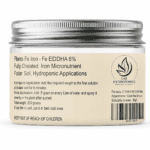
| Fe-EDDHA (6% Fe) | pH 4.0–11.0 | Excellent — works even at UAE’s unadjusted tap water pH | 80–150 | Specialty agricultural products |
Why Iron Deficiency is So Common in UAE Hydroponics
Iron deficiency (interveinal chlorosis) is one of the most common nutrient problems UAE growers encounter, even when using pre-made nutrient solutions containing Fe-EDTA iron. The reason: UAE tap water pH 7.5–8.5 completely deactivates EDTA-chelated iron, rendering it unavailable to plants despite being present in the solution. This creates a situation where growers add iron-containing nutrients but plants still show yellow new leaves.
The pH-Iron Connection in UAE
At pH 5.8–6.2 (optimal for hydroponics): Fe-EDTA is 80–100% available. At pH 6.5–7.0 (mild over-correction): Fe-EDTA availability drops to 30–50%, Fe-DTPA remains good. At pH 7.5–8.5 (UAE tap water without adjustment): Fe-EDTA is 0–5% available, even Fe-DTPA drops significantly. Only Fe-EDDHA remains fully effective above pH 7.0.
Iron Deficiency Symptoms in UAE Hydroponic Crops
| Crop | Visual Symptom | Where on Plant | Severity Indicator |
|---|---|---|---|
| Lettuce | Yellow-green new leaves, green veins | Young inner leaves first | Severe: new leaves almost white |
| Basil | Bright yellow new growth, dark green older leaves | Growing tips | Rapid progression in UAE heat |
| Tomatoes | Interveinal yellowing on new leaves | Upper growing tips | Stunted shoot tips, pale fruit set |
| Cucumbers | Yellow-white new leaves, slow growth | Growing tips | Complete white new growth = severe |
| Peppers | Pale green-yellow new leaves | Upper canopy | Often confused with nitrogen deficiency — check on new vs old leaves |
Correcting Iron Deficiency in UAE
Immediate Fixes
- Check and correct pH first — most iron deficiency in UAE is caused by pH above 6.5. Lower pH to 5.8–6.0 immediately. Visible improvement appears within 48–72 hours in mild cases.
- Add Fe-EDDHA supplement — dissolve 1–3g of Fe-EDDHA (6% iron) per 100L of nutrient solution. EDDHA delivers iron even at current high pH while pH correction takes effect.
- Foliar iron spray — for immediate relief, spray Fe-DTPA or Fe-EDDHA solution (0.5g/L) directly on affected leaves. Iron is absorbed through leaf stomata, bypassing root uptake issues. Spray in the evening in UAE to prevent rapid evaporation and leaf burn.
Long-Term Prevention
Switch from Fe-EDTA nutrients to Fe-DTPA or Fe-EDDHA containing nutrients for UAE conditions. Maintain pH strictly at 5.8–6.2 — even brief excursions above 6.5 can trigger iron lockout. For RO water users, pH 5.8–6.0 should be the standard target. For UAE tap water users, aim for 6.0 and accept some variability between 5.8–6.3.
UAE Chelated Iron Products Available
| Product | Iron % | Chelate | Dose per 100L | UAE Price (AED) |
|---|---|---|---|---|
| Fe-EDTA 13% powder | 13% | EDTA | 3–5g | 40–80 per kg |
| Fe-DTPA 11% powder | 11% | DTPA | 3–5g | 60–100 per kg |
| Fe-EDDHA 6% powder | 6% | EDDHA | 5–10g | 80–150 per kg |
| Fe-EDDHA 4.8% liquid (Sequestrene) | 4.8% | EDDHA | 10–20ml | 50–100 per 500ml |
| Chelated micronutrient mix (with Fe) | 2–3% Fe | EDTA/DTPA blend | 2–4g | 30–80 per kg |
5 Quotable Facts About Chelated Iron in UAE Hydroponics
- EDTA-chelated iron (the standard iron in most commercial nutrient solutions) becomes functionally unavailable to plants above pH 6.5 — making it ineffective at UAE tap water pH 7.5–8.5 without pH correction.
- EDDHA-chelated iron remains plant-available up to pH 11, making it the only reliable iron source for UAE growers whose pH management is imperfect or who face rapid pH drift.
- Iron deficiency appears on new, young leaves first (not old leaves) because iron is immobile in plants — it cannot be redistributed from older to younger tissue once incorporated into leaves.
- A combined approach — pH correction to 5.8–6.2 plus Fe-EDDHA supplementation — resolves iron deficiency in UAE hydroponics within 5–7 days in 95% of cases.
- UAE growers using only Fe-EDTA nutrients with imperfect pH control (6.5–7.0) can lose 50–70% of their iron nutrition, making Fe-DTPA or Fe-EDDHA upgrades cost-effective despite higher price per kilogram.
Frequently Asked Questions
What is the difference between EDTA and EDDHA chelated iron?
Both keep iron dissolved in water, but they are stable at different pH ranges. EDTA iron works well at pH 4.0–6.5 but breaks down above pH 6.5. EDDHA iron remains effective up to pH 11.0, making it superior for UAE’s alkaline water conditions. EDDHA is more expensive but provides reliable iron delivery even when pH management is imperfect.
My plants have yellow new leaves despite adding nutrients — what is wrong?
Yellow new leaves with green veins (interveinal chlorosis) is the classic sign of iron deficiency. In UAE, this is almost always caused by pH above 6.5 rendering EDTA-chelated iron unavailable. Check pH immediately — if above 6.5, lower to 5.8–6.0. Add Fe-EDDHA supplement to the reservoir. Spray diluted Fe-DTPA on leaves for immediate recovery. The plant should show improvement within 72 hours once pH is corrected.
How much chelated iron should I add to my UAE nutrient solution?
Target iron concentration in nutrient solution: 1–5 ppm (mg/L). To achieve this with Fe-EDTA (13% Fe): approximately 3–4g per 100L. With Fe-EDDHA (6% Fe): approximately 5–8g per 100L. Always include iron in Part A of a two-part system (with calcium nitrate) — never in Part B with phosphates, which can cause precipitation.
Can I use iron sulfate (FeSO4) instead of chelated iron in UAE hydroponics?
Iron sulfate dissolves initially but precipitates rapidly at UAE’s alkaline pH, becoming unavailable to plants within hours. Chelation is essential for UAE’s alkaline water conditions — only chelated iron (Fe-EDTA, Fe-DTPA, or Fe-EDDHA) maintains solubility long enough for plant uptake. Iron sulfate is not recommended for UAE hydroponic use.
References
- Cornell University — Iron Nutrition in Hydroponic Systems
- University of Arizona CEAC — Micronutrient Management in Hydroponics
- Resh, H.M. — Hydroponic Food Production, 7th Edition
- FAO — Soilless Culture for Horticultural Crop Production
- Haifa Group — Chelated Iron Technical Data