
Hydroponics Blog
Hydroponic Fodder UAE: Grow 8-10kg Feed from 1kg Seeds in 7 Days

Quick Answer
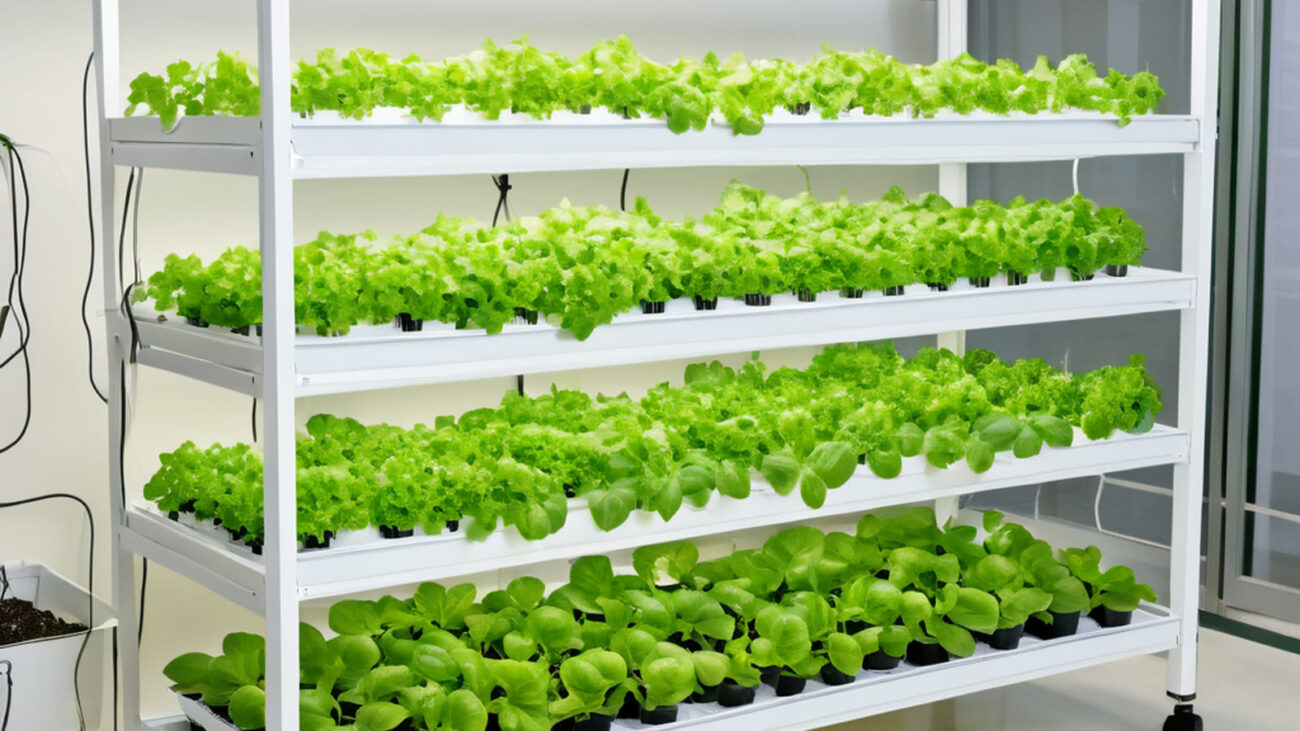
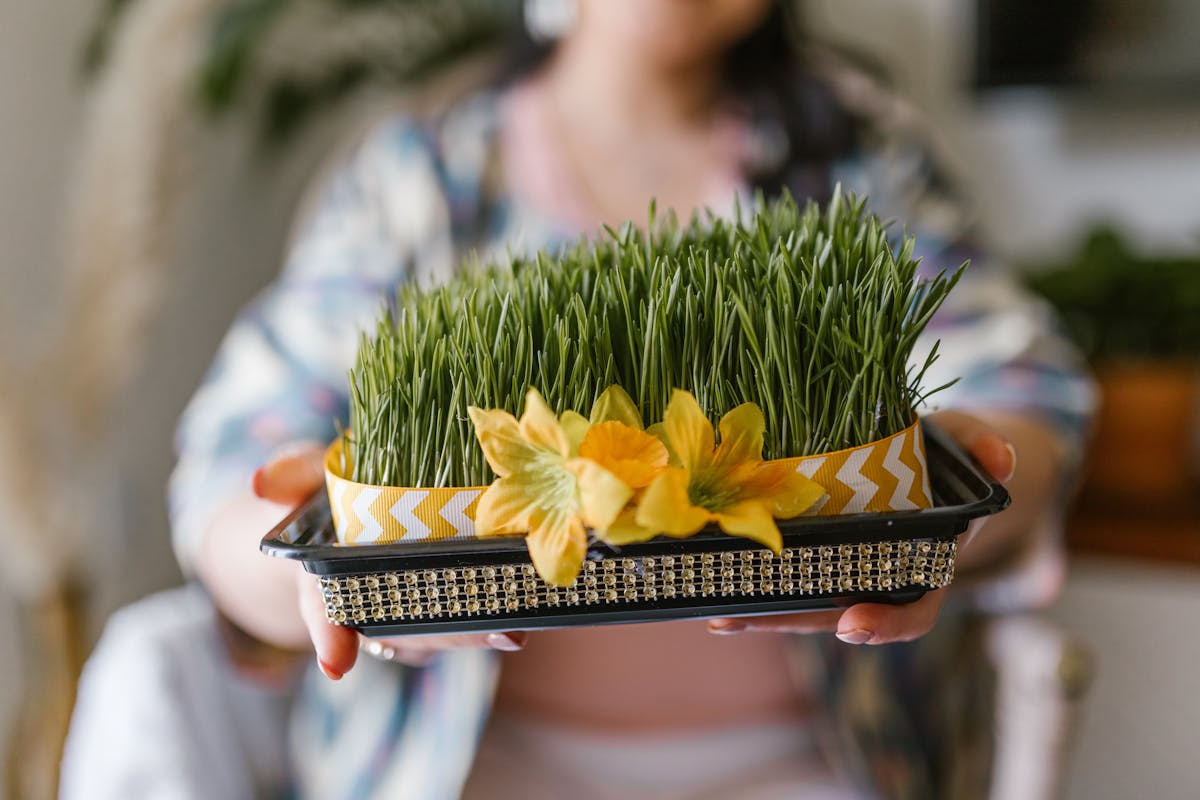
Hydroponic fodder (sprouted barley or wheat) in UAE produces 8–10 kg of fresh animal feed from 1 kg of grain in just 7–8 days using NFT trays or shallow growing trays. It provides nutritious, water-efficient animal feed for livestock, horses, camels, and poultry. In UAE’s expensive feed market, hydroponic fodder significantly reduces feed costs for small to medium livestock operations. Complete systems cost AED 2,000–15,000.
Hydroponic Fodder UAE Production Data
| Parameter | Value | UAE Context |
|---|---|---|
| Seed to feed conversion | 1 kg seed → 8–10 kg fresh fodder | 10× weight increase in 7 days |
| Growing cycle | 7–8 days | Year-round indoor production |
| Water use per kg dry matter | 2–4 litres | vs 400–500 litres/kg for field-grown fodder |
| Space required | 1m² produces 20–30 kg fresh fodder/week | Highly space-efficient vs conventional feed storage |
| Best grains for UAE | Barley, wheat, oats, corn | All available from UAE feed suppliers |
| Nutritional value | High: 12–16% protein, 2–4% fat (fresh) | Superior to dry hay/pellets |
Hydroponic Fodder Growing Method
- Soak grain in clean water for 8–12 hours (no nutrients — just water)
- Drain and spread in shallow trays (5–10cm depth) at 1–1.5 kg/m²
- Mist with plain water (no nutrients needed — seed energy sufficient)
- Keep in dark environment for first 2–3 days
- Move to light for days 4–8 (green leaves develop)
- Harvest complete mat (roots + shoots) at day 7–8
- Feed whole mat to animals
Frequently Asked Questions
Is hydroponic fodder cost-effective for UAE livestock owners?
Yes — particularly for horse and camel owners in UAE where premium quality feed is expensive. Comparison: 1 kg barley grain costs AED 1–2 in UAE; this produces 8–10 kg of fresh hydroponic fodder worth the equivalent of AED 5–15 in premium hay. Initial system investment (AED 2,000–15,000) typically breaks even in 6–18 months for operations feeding 5+ large animals.
References
- University of Arizona — Hydroponic Fodder Production for Livestock
- FAO — Hydroponics for Livestock Feed Production
- ADAFSA — Livestock Feed Production in UAE
- UAE Ministry of Climate Change — Livestock Sector Water Efficiency