Hydroponics Blog
Best Crops for Hydroponics in the UAE: A Practical Guide


The best hydroponic crops for your UAE growing space are the ones whose requirements you can meet consistently. Start with the harvest you want, available light, mature plant size and the time you can spend maintaining the system. Choose a small trial before committing every growing position to a new crop.
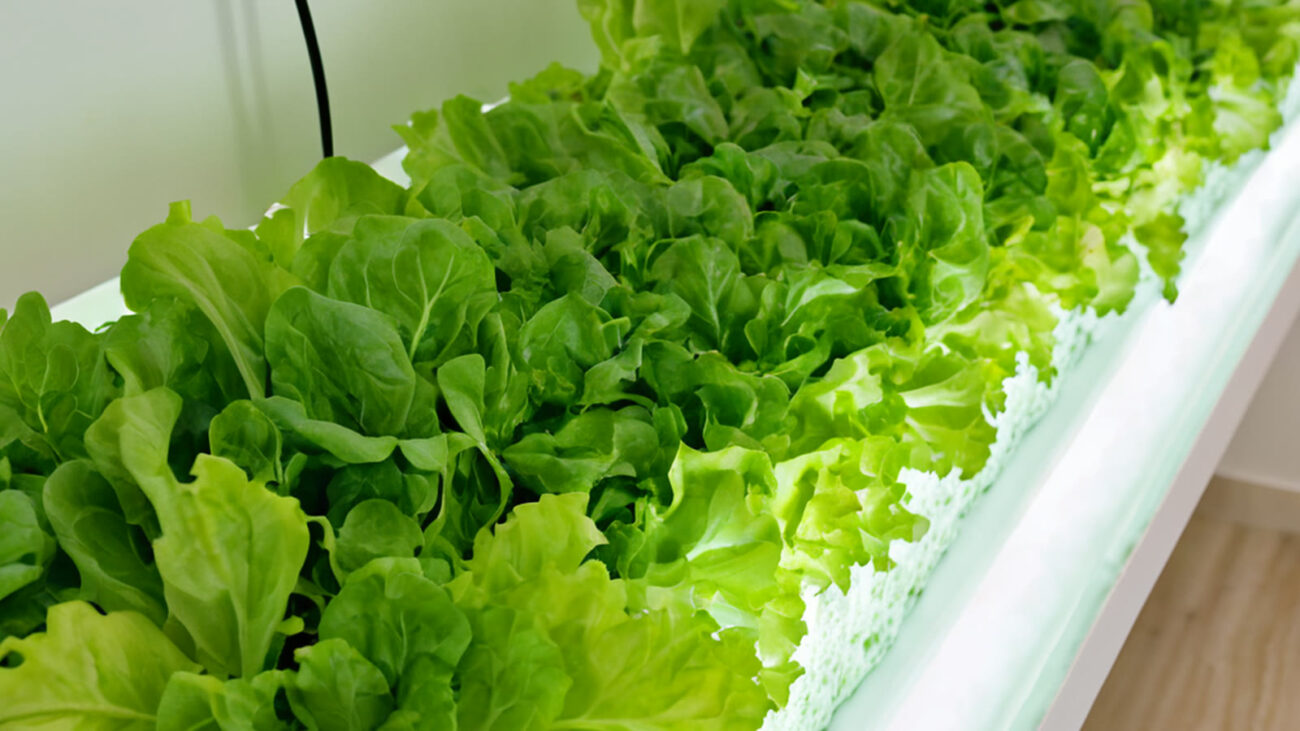
Leafy greens and non-woody herbs are useful candidates for simple systems. Fruiting crops involve a different growing and maintenance plan. Penn State Extension’s simple hydroponics guide explains why crop choice matters, particularly for passive systems.
A practical hydroponic crop shortlist
| Crop group | Examples to investigate | Questions before choosing a variety |
|---|---|---|
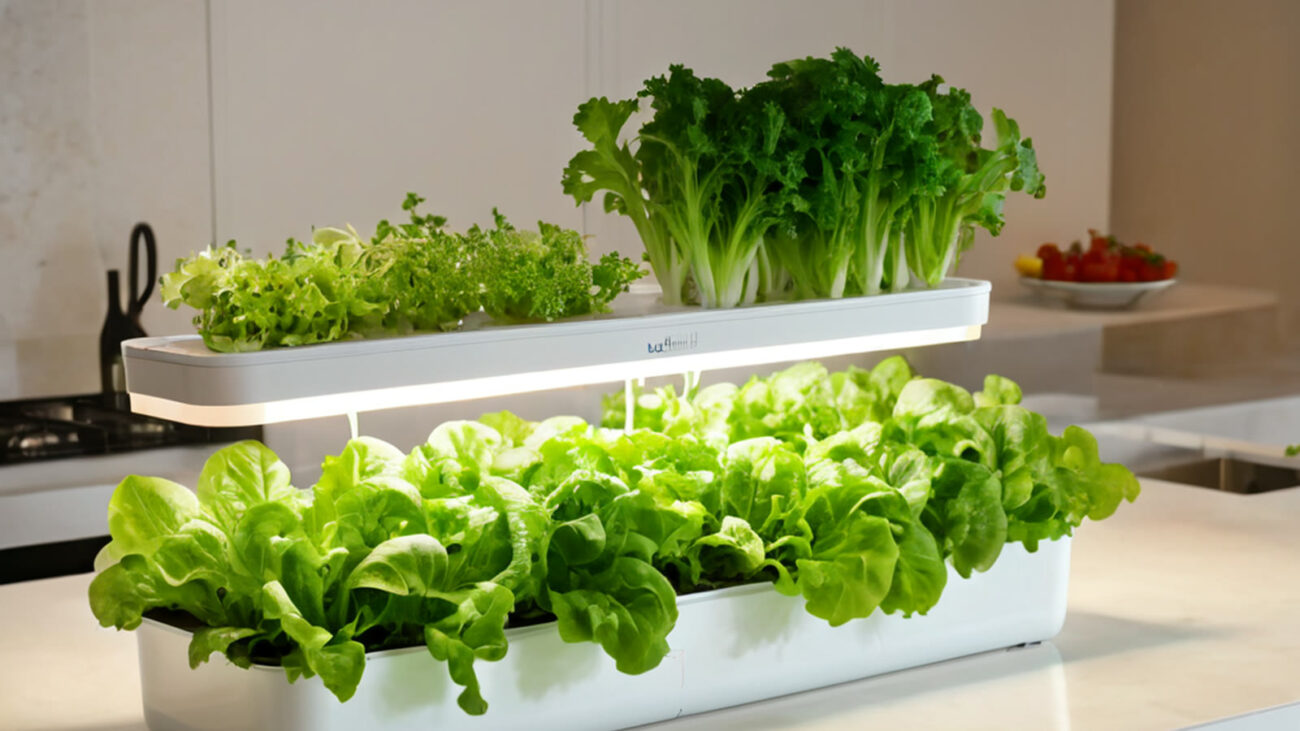
| Leafy greens | Lettuce and kale | Will you harvest leaves or a mature plant? What spacing, light and growing conditions does the variety need? |
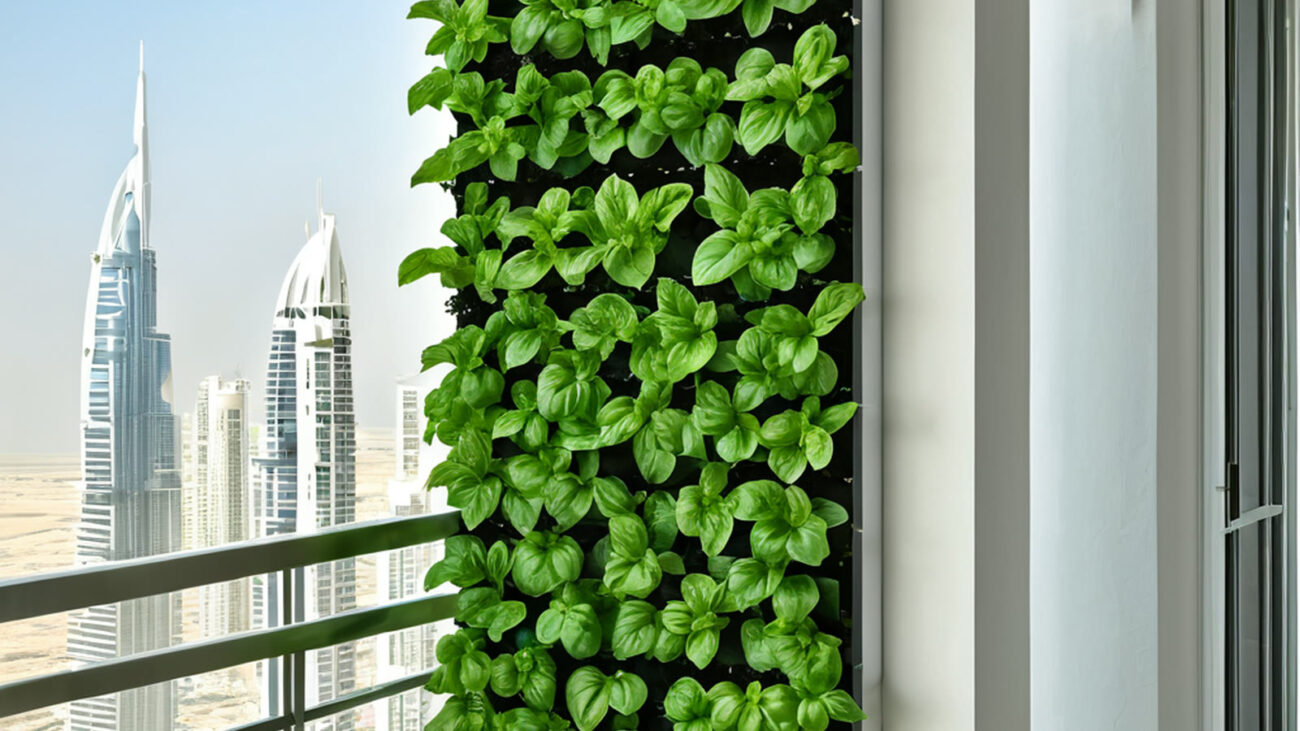
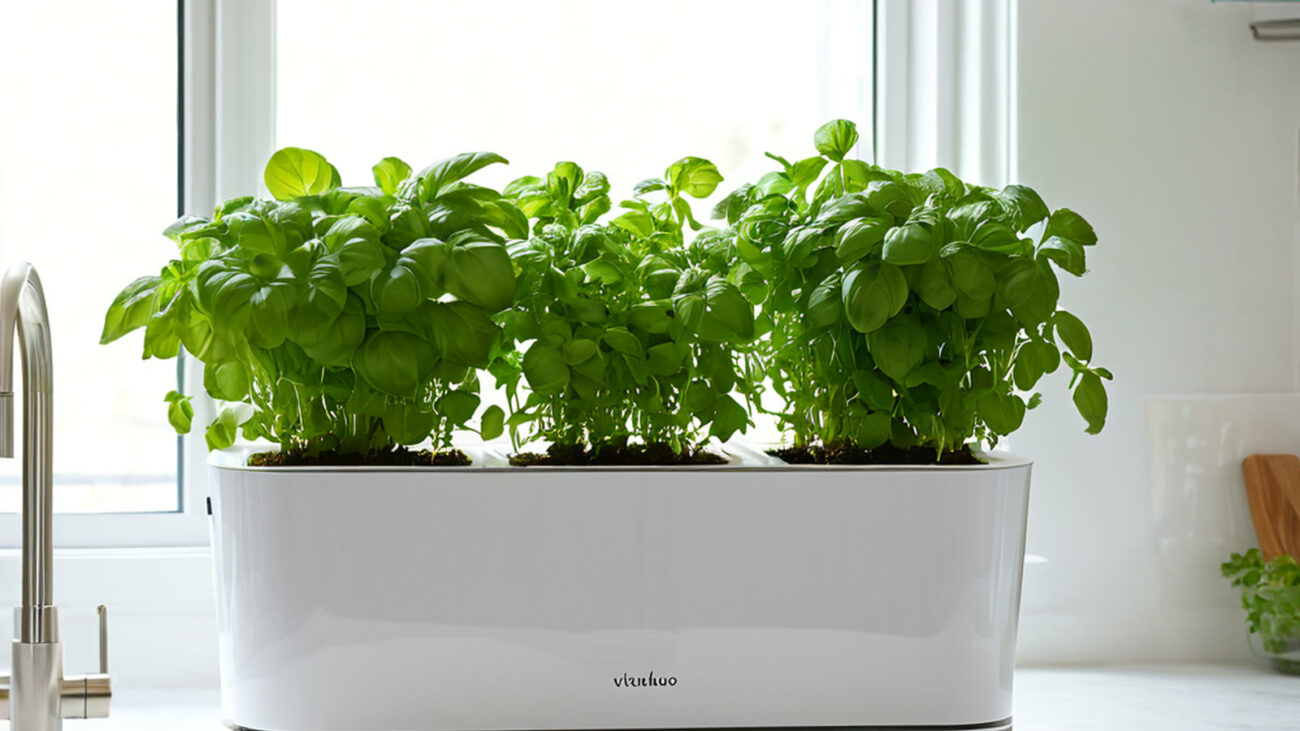
| Herbs | Basil, coriander and mint | Do you want a single harvest or repeated cutting? How will you manage mature growth and replace plants? |
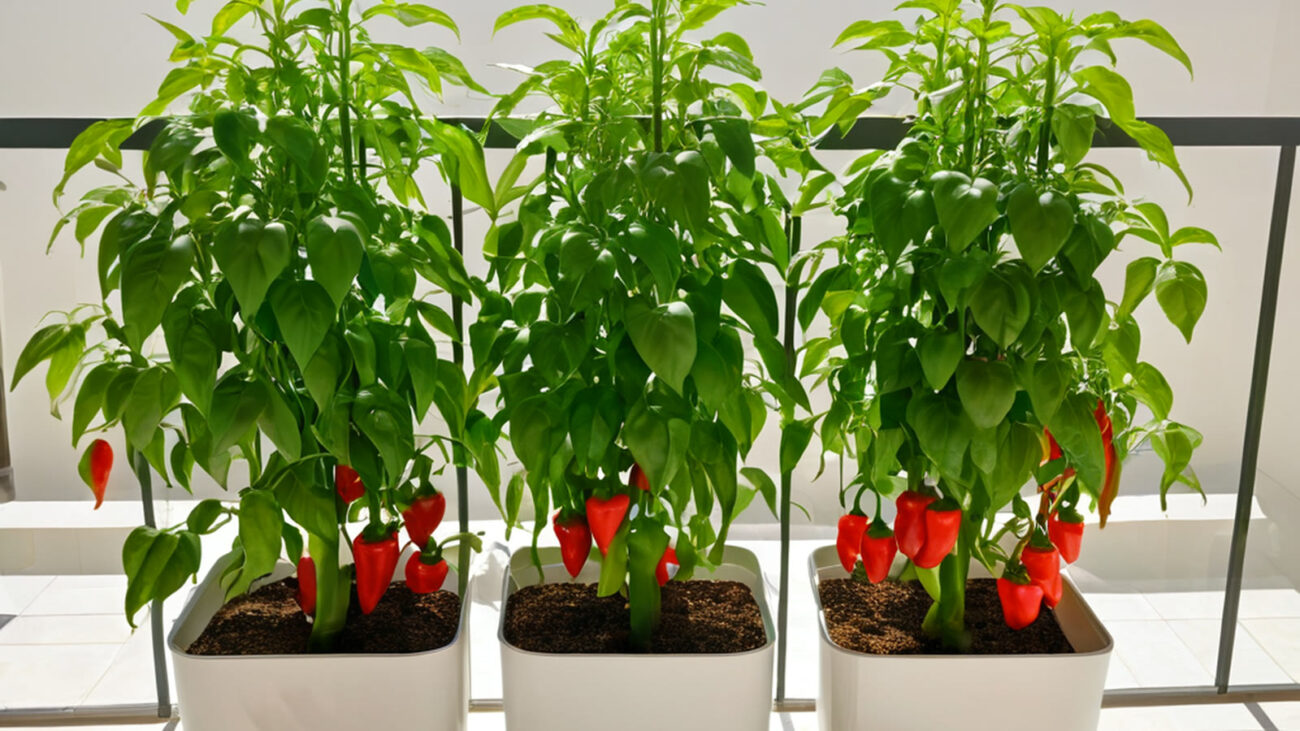
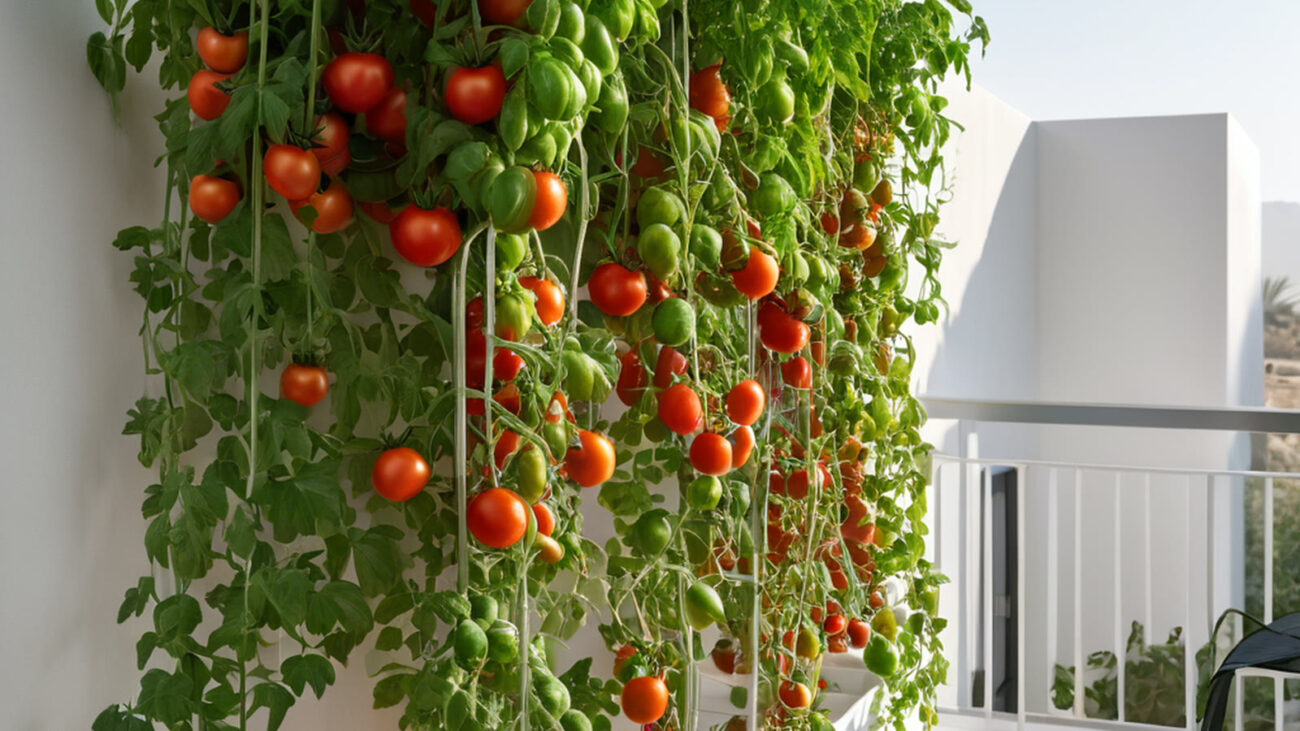
| Fruiting vegetables | Tomatoes, cucumbers and peppers | Can you provide the growing space, support, crop care and nutrient management needed through flowering and harvest? |
| Other fruiting crops | Strawberries | Does the selected variety fit the environment and system? Can you manage the plants throughout the production cycle? |
This is a shortlist for further checking, not a ranking of guaranteed UAE yields. A crop name alone does not identify the right variety, planting density or environmental settings. Read the seed or plant supplier’s information and match it to your proposed conditions.
Match the crop to the system
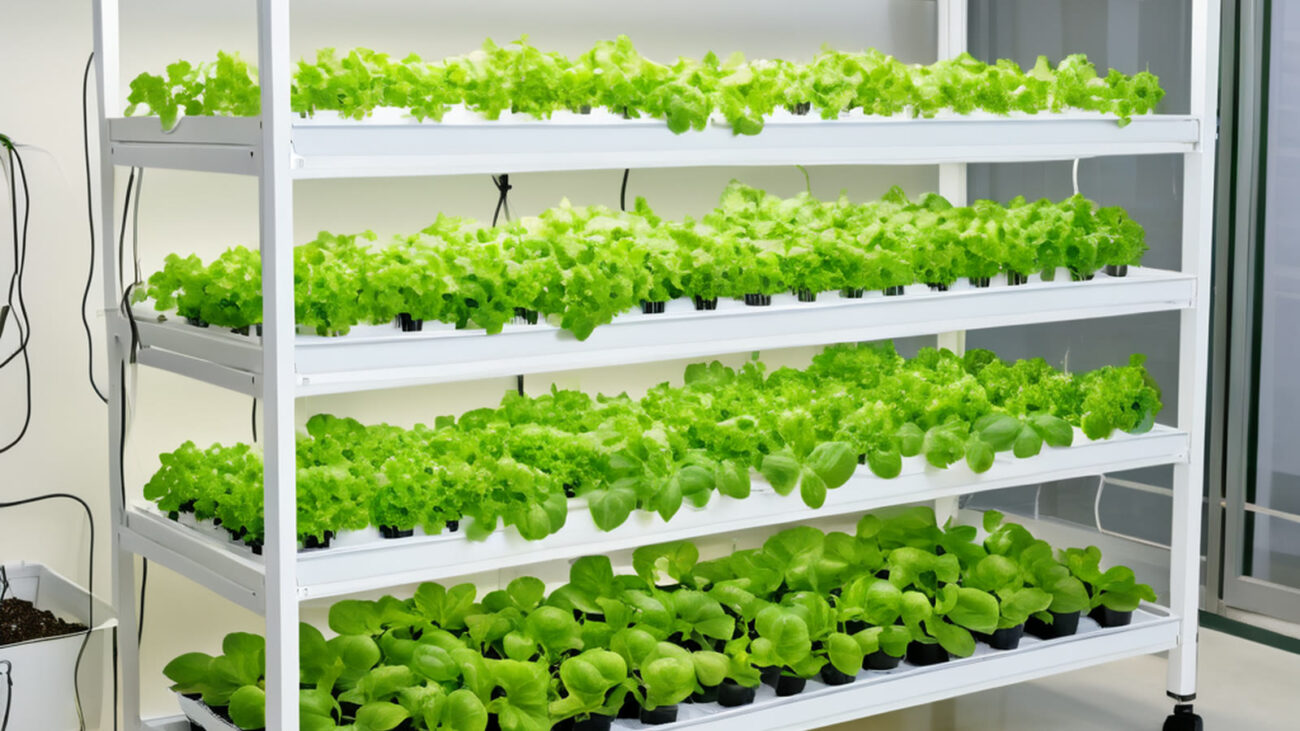
Think about how roots, plant supports and irrigation will be managed as the crop grows. A small seedling and the same plant near harvest have different space and access needs. Consider the whole growing period when comparing channel, water-culture and media-container designs.
Penn State’s guide identifies leafy crops such as lettuce, kale and non-woody herbs as choices for passive hydroponics. It cautions that long-lived and fruiting crops such as tomatoes and cucumbers need closer nutrient management than that simple method is intended to provide. This is a system-specific distinction, not a claim that fruiting crops cannot be grown hydroponically.
For the broader equipment decision, use our NFT, Dutch bucket and DWC comparison and UAE growing setup checklist. Check kit contents and your full parts list before buying around a particular crop.
Choose spacing from the harvest you want
Plan the final canopy and root space, not just how many seedlings fit in a tray. Baby leaves, full heads and mature fruiting plants are different harvest goals. Utah State University’s leafy-green spacing guidance explains how harvest size affects spacing and why room for air movement matters. Its field tables are not a planting-density specification for your hydroponic channels.
Mark the proposed layout and check whether you can reach every plant for inspection and harvest. If the system has fixed planting holes, compare their spacing with the mature crop plan before filling them all.
Use your location to plan the growing season
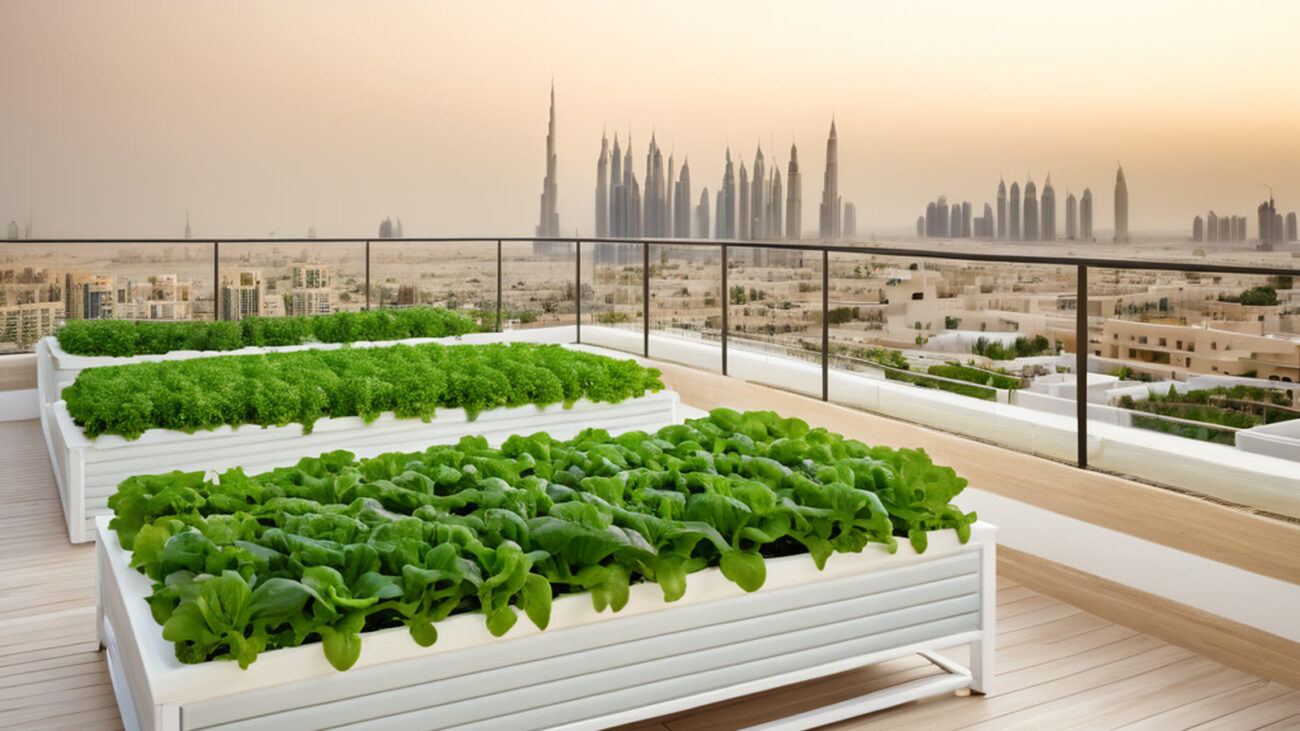
A UAE address does not define the light and growing conditions inside a room, on a balcony or in an enclosure. Record the conditions at the proposed location and compare them with the variety’s requirements. An indoor system still needs suitable light and environmental management.
For each crop, make a simple plan covering:
- The seed or plant variety and its supplier’s growing instructions.
- The system, planting arrangement and supports needed at mature size.
- Source water, a suitable nutrient programme and the readings you will monitor.
- Expected tasks such as training, crop-specific flower management, inspection and harvesting.
- How you will respond if the location becomes unsuitable for the crop.
Use a crop-specific source for temperature and nutrient targets. Avoid applying the same pH, EC, watering schedule or calendar to every plant in a mixed setup.
Record a trial before judging growth or profitability
Label the variety and sowing or transplant date. Record the number of plants started, losses, changes to the growing conditions, maintenance time and the actual harvest. Note whether a quoted harvest period starts at sowing or transplanting before comparing it with your result.
The weekly hydroponic record-review checklist provides a practical way to review those observations and identify the next question to investigate.
For home growing, include the crops you actually use in the kitchen. For a sales project, test customer demand and record selling, packaging and delivery costs. A crop’s retail price or an online yield claim does not establish what your own system will earn.
Your notebook or our hydroponic record template packs can help keep observations together. Compare completed trials before increasing the planted area.
Frequently asked questions
What is the easiest crop for a first hydroponic trial?
A leafy green or non-woody herb is a reasonable shortlist for a small simple system, as described by Penn State. Choose a variety whose requirements fit your location and follow its instructions. Ease of growing depends on the particular system and conditions.
Can tomatoes and cucumbers be grown hydroponically?
They can be hydroponic crops, but plan for their mature growth and nutrient management throughout the production cycle. Select a system and variety for that purpose rather than assuming a simple passive leafy-green setup is interchangeable.
Which crop grows fastest or earns the most in the UAE?
There is no reliable single answer for every grower. Compare the variety, harvest stage, location, growing inputs and actual demand. Use results from your own recorded trial to make a decision.
Where can I find equipment for the chosen crop?
Use the current supplies catalogue to compare components and growing media after planning the crop and system. Confirm the listed parts, size options and availability; this guide does not imply that every crop’s seeds are stocked.



 Micronutrients
 Macronutrients