
Hydroponics Blog
Sustainable Agriculture UAE: How Hydroponics Changes Desert Farming

Quick Answer
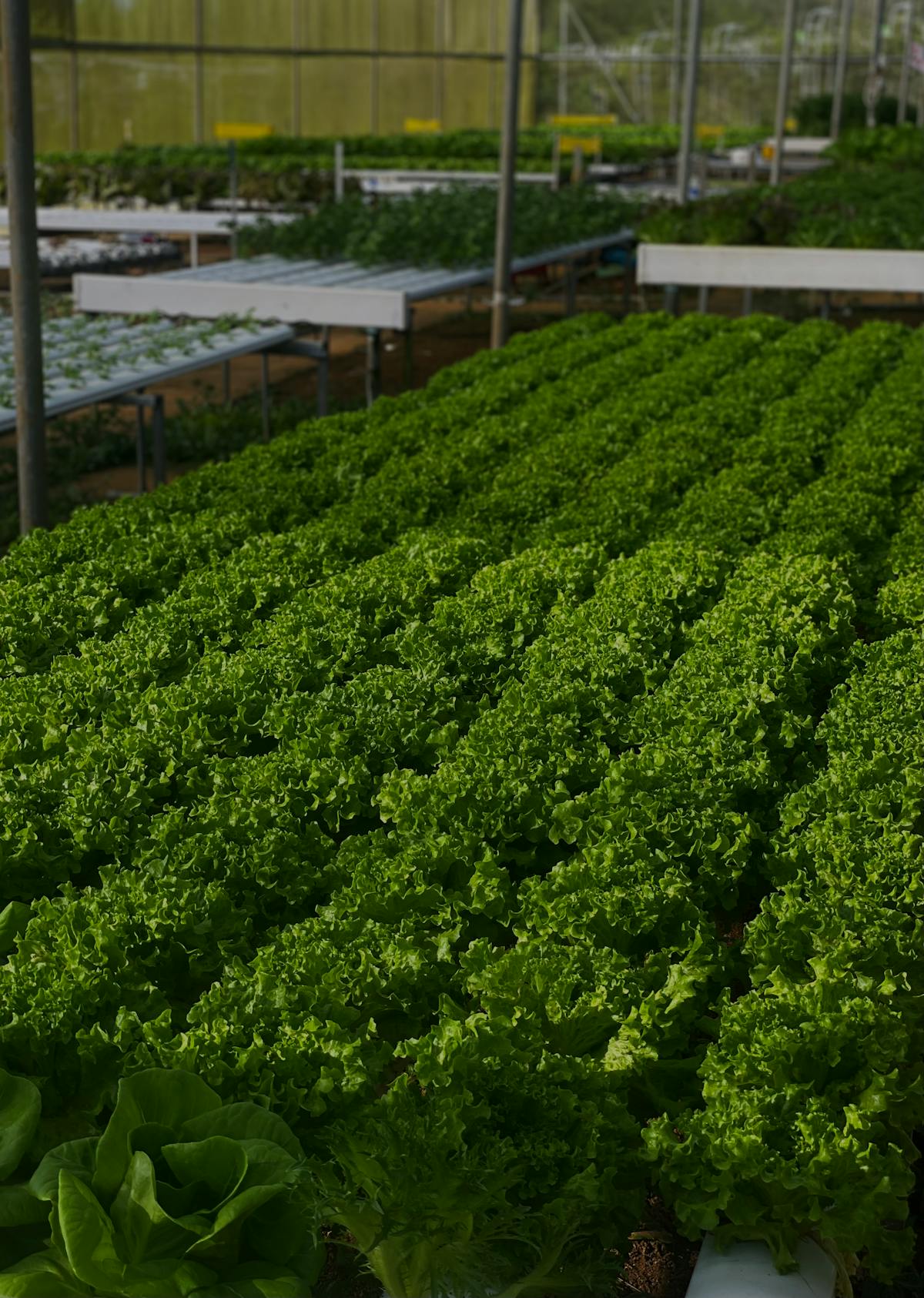
Hydroponics is central to UAE’s sustainable agriculture strategy. It uses 90–95% less water than conventional farming, requires no soil (scarce in UAE), produces no agricultural runoff, and achieves 10–40× higher yields per square metre. UAE’s National Food Security Strategy 2051 explicitly includes hydroponics and controlled environment agriculture as core technologies for sustainable food production in a water-scarce desert nation.
UAE Sustainability Profile of Hydroponics
| Sustainability Metric | Hydroponics Performance | Conventional Soil (UAE) |
|---|---|---|
| Water per kg of lettuce | 20–40 litres | 200–400 litres |
| Land required per kg/year | 0.025–0.05m² | 0.3–0.6m² (soil) |
| Pesticide use | Near zero (closed environment) | Moderate to high (outdoor pests) |
| Fertilizer waste | Near zero (recirculating nutrients) | High (leaching, runoff) |
| CO2 footprint (transport) | Local — near zero transport | High (80%+ UAE food is imported) |
| Year-round production | Yes (climate-controlled) | Seasonal only (Oct–May outdoors) |
UAE Sustainability Alignment
Hydroponics aligns with multiple UAE sustainability frameworks: UAE Vision 2031 (diversified sustainable economy), UAE Net Zero by 2050 (reducing food import carbon footprint), UAE Water Security Strategy (90%+ water savings), UAE Circular Economy Policy (zero-waste nutrient recirculation), and the UAE Green Agenda 2030 (sustainable food systems). Commercial UAE hydroponic operations can access green financing and sustainability certification programs that prefer local, water-efficient food production.
Frequently Asked Questions
Is hydroponic food more sustainable than conventionally grown food in UAE?
For UAE specifically, yes — by a significant margin. UAE’s conventional food system is 80%+ reliant on imports from Iran, India, Netherlands, and elsewhere — each with significant transport emissions and packaging requirements. Local hydroponic production reduces: transport carbon (near zero local delivery vs international shipping), water use (90%+ less), pesticide use (near zero in closed environments), and food loss from spoilage (fresher, shorter supply chains). The water saving alone is critically important in UAE’s water-scarce environment.
References
- UAE Ministry of Climate Change — Green Agriculture Strategy
- ICBA — Sustainable Agricultural Technologies in UAE
- FAO — Sustainable Intensification: Hydroponics in Arid Regions
- UAE Vision 2031 — Sustainable Economy Goals
Shop Hydroponic Equipment — UAE Delivery
Start growing with fast delivery across all Emirates: