
Hydroponics Blog
Phosphorus in Hydroponics: Role, Deficiency, and Management

What Phosphorus Does
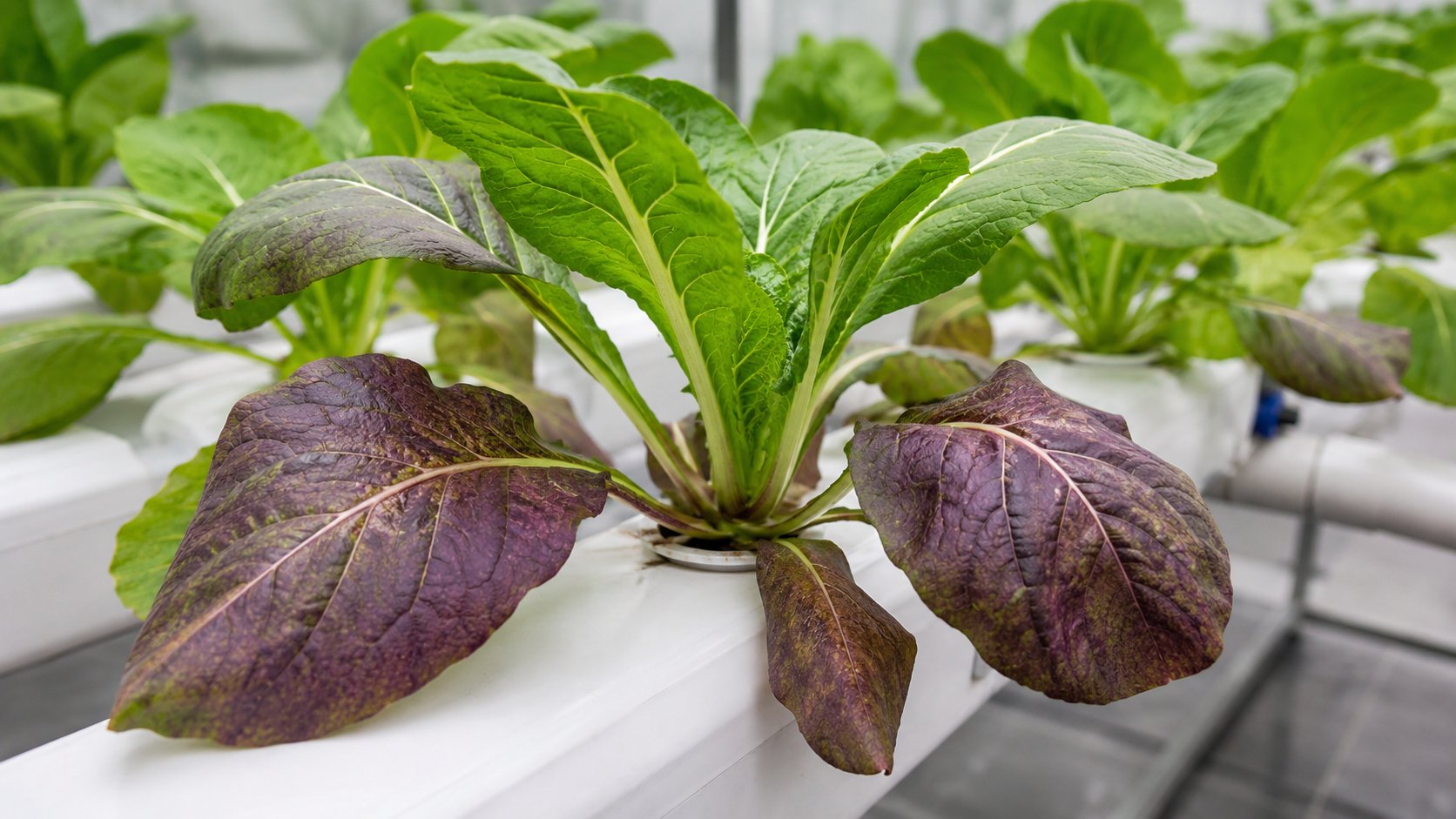
Phosphorus (P) is essential for energy transfer (ATP), root development, flowering, fruiting, and seed formation. It is critical during early establishment and again during the reproductive stage. Phosphorus deficiency rarely occurs in properly formulated hydroponic solutions but can be triggered by pH problems.
Deficiency Symptoms
- Purple or reddish colouration on undersides of leaves and stems
- Dark green leaves that are smaller than normal
- Poor root development
- Delayed flowering and fruiting
- Symptoms appear on older leaves first (phosphorus is mobile)
Why pH Matters for Phosphorus
Phosphorus availability drops sharply below pH 5.0 and above pH 7.0. Keep pH at 5.5–6.5 to maintain phosphorus in plant-available form. Most phosphorus deficiencies in hydroponics are pH-induced, not formula deficiencies.
Sources in Hydroponics
- Monopotassium phosphate (MKP) KH₂PO₄ — most common. Also provides potassium. Lowers pH slightly.
- Phosphoric acid H₃PO₄ — used as pH Down and provides phosphorus. Handle with care — corrosive.
- Complete formulas — pre-balanced P is included in all quality commercial formulas.
⚠️ Safety note: Phosphoric acid is corrosive. Always dilute before adding to reservoir. Wear gloves and eye protection.