
Hydroponics Blog
Calcium in Hydroponics: Function, Deficiency, Uptake, and Sources

What Calcium Does
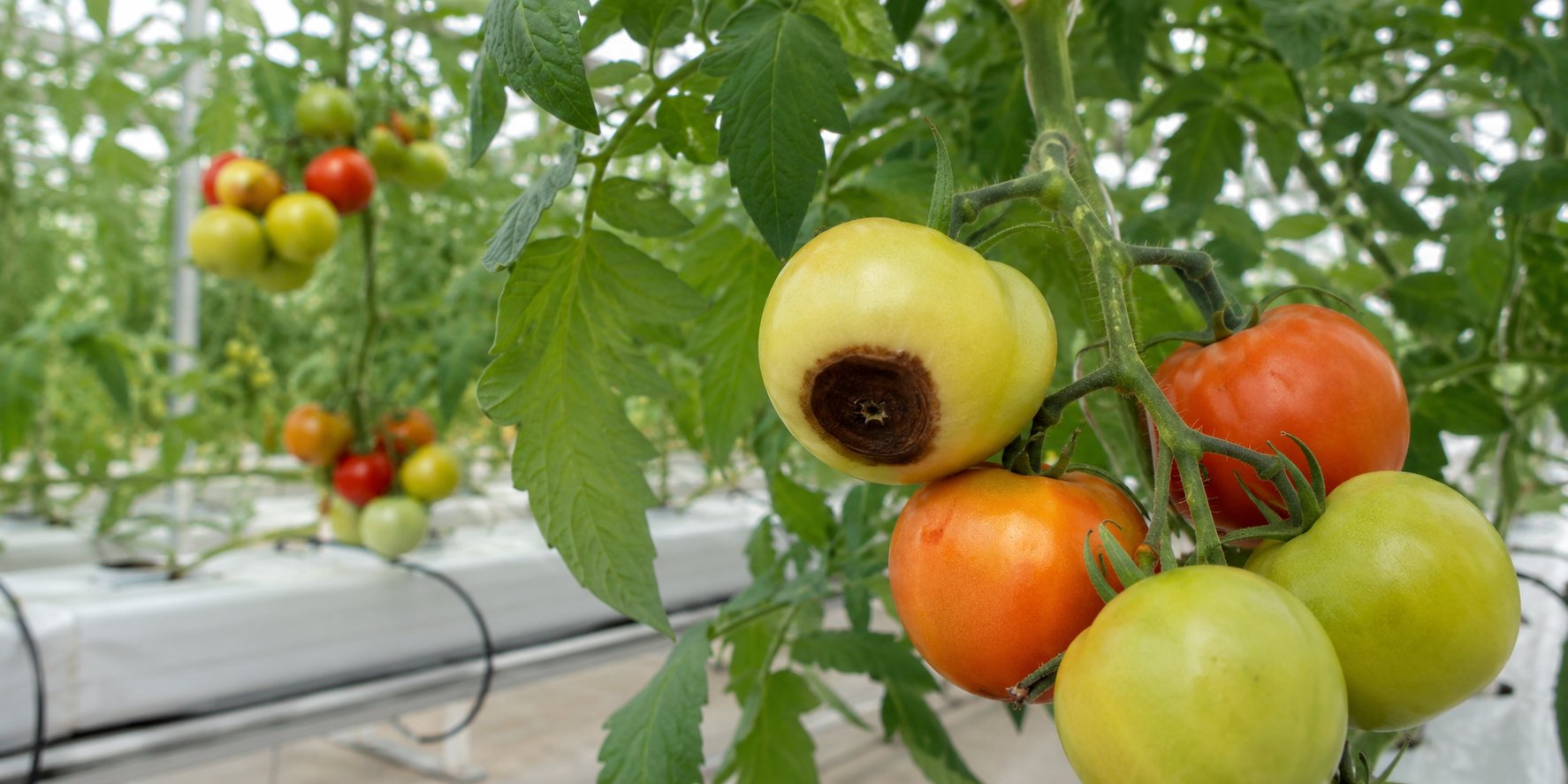
Calcium (Ca) is essential for cell wall formation, membrane integrity, and new tissue development. It is immobile in the plant — once deposited, it does not move. This means deficiencies always appear on new growth and young tissue, not old leaves. Adequate calcium prevents tip burn in lettuce, blossom end rot in tomatoes, and maintains fruit quality across all crops.
Deficiency Symptoms
- Brown leaf tips on young inner leaves (tip burn in lettuce)
- Blossom end rot in tomatoes and peppers (dark, sunken bottom of fruit)
- Distorted, curled new growth
- Weak cell structure — fruit cracks easily
- Root tips may die back
Why Calcium Deficiency Happens Despite Adequate Supply
- Calcium moves only via transpiration. Low airflow, high humidity, or low light reduces transpiration and stops calcium reaching growing tips.
- pH out of range blocks calcium availability.
- Excess sodium (common in UAE tap water) competes with calcium uptake.
- Excess potassium or ammonium blocks calcium channels.
Sources
- Calcium Nitrate Ca(NO₃)₂ — most common source. Also provides nitrogen. Must be stored and mixed separately from phosphate and sulfate concentrates.
- Calcium Chloride CaCl₂ — used when chloride doesn’t cause problems. Less common.
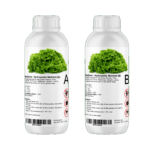
- Complete two-part formulas — Part A typically contains calcium nitrate pre-balanced.
⚠️ Critical mixing note: Never mix calcium nitrate concentrate with phosphate or sulfate concentrates in the same container. They will precipitate and become unavailable. Always add each separately to the reservoir filled with water, or use pre-formulated two-part systems.