
Hydroponics Blog
Hydroponics UAE FAQ 2026: 20 Most Asked Questions Answered

Quick Answer
This FAQ answers the 20 most common questions about hydroponics in UAE for 2026, covering pH management, EC targets, crop selection, water quality, system types, costs, seasonal growing, and UAE-specific challenges. If you’re new to UAE hydroponics, start with questions 1–5 (pH and water management). If you have experience, questions 11–20 cover advanced topics.
Top 20 UAE Hydroponics FAQs
1. What is the pH of UAE tap water and why does it matter?
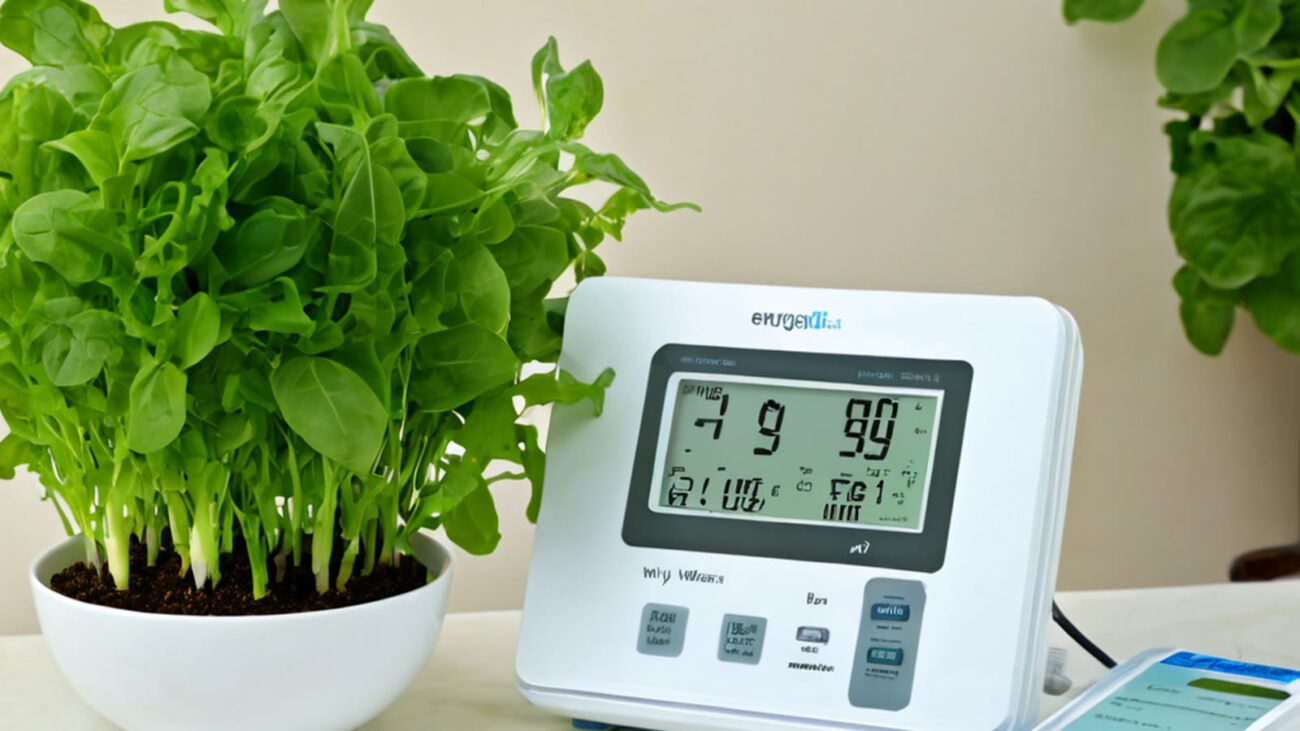
UAE tap water has pH 7.5–8.5 depending on emirate and location. Hydroponic plants need pH 5.8–6.2 for optimal nutrient uptake. At UAE tap water pH, phosphorus, iron, and manganese are largely unavailable — plants starve even with nutrients present. Always adjust pH before use with phosphoric acid pH Down.
2. What EC should I target for UAE hydroponic lettuce?
Target EC 1.2–1.8 mS/cm for lettuce. UAE tap water has baseline EC 0.5–1.2, so add nutrients to raise total EC to your target — not on top of an assumed 0 baseline. Reduce EC to 1.0–1.5 in UAE summer heat to prevent salt stress. Check EC daily in summer.
3. What crops can I grow hydroponically in UAE year-round?
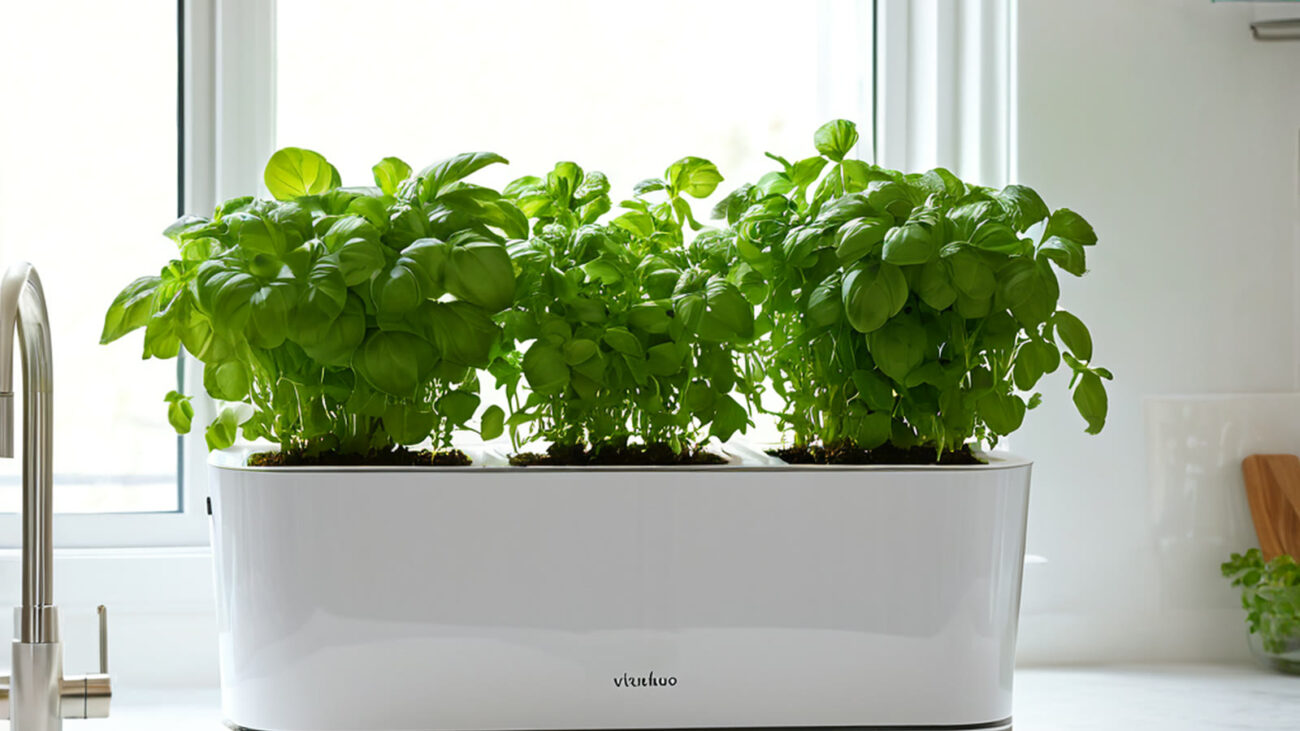
With AC-controlled indoor growing: all crops year-round. Without temperature control: October–May only (outdoor conditions). Best year-round indoor UAE crops: basil, mint, lettuce, arugula, kale, coriander (with bolt-resistant varieties). Avoid outdoor growing June–September.
4. What is the best hydroponic system for a UAE beginner?
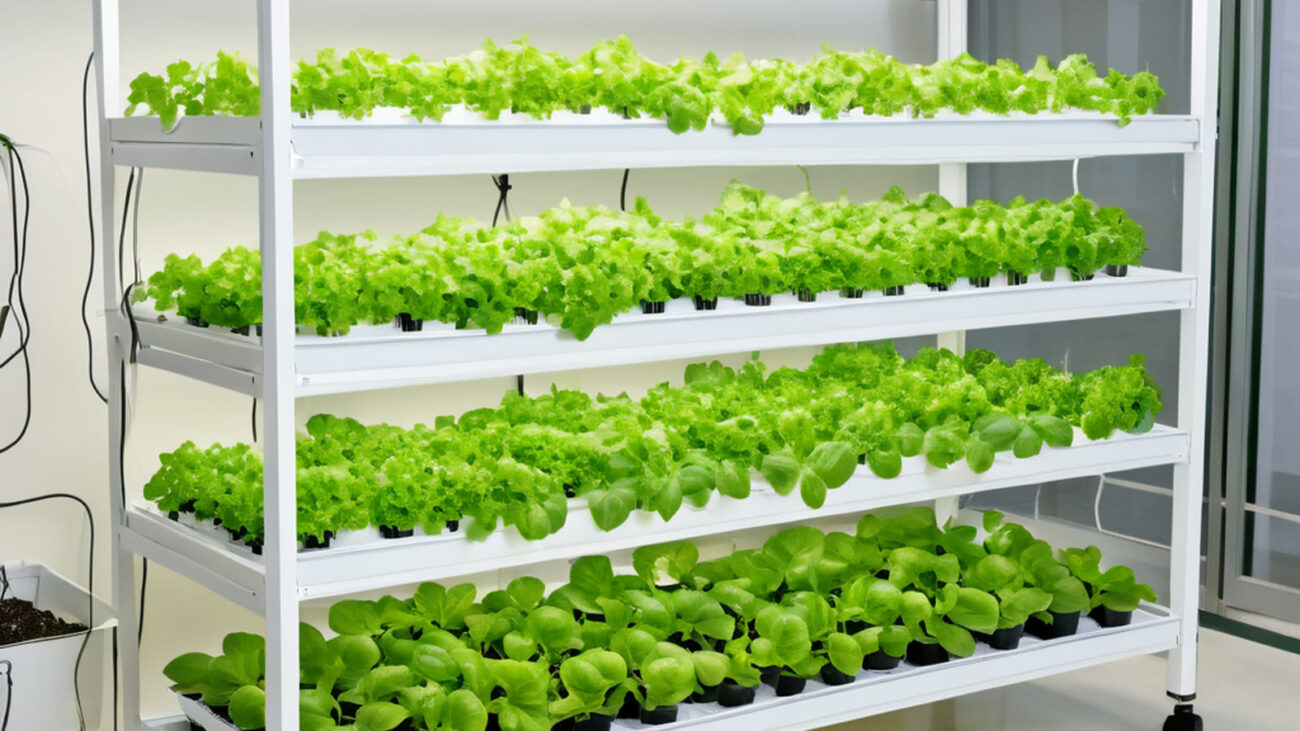
Kratky (no pump, no electricity) for first experiment. NFT 6-channel kit for serious home production. Both are low-cost, low-complexity, and produce lettuce and herbs in 35–45 days.
5. How often should I change the nutrient solution in UAE?
Every 7–10 days in UAE summer (May–September) due to rapid evaporation concentrating salts. Every 14 days in winter (October–April). Always top up evaporation with plain pH-adjusted water, never with more nutrients.
6. Do I need a water chiller for UAE hydroponics?
For outdoor or non-AC’d systems in UAE summer: yes, a chiller is essential. For indoor AC systems maintaining room temperature below 28°C: insulated reservoirs may be sufficient for small home systems. Commercial indoor farms always use chillers for reservoir temperature management. Target water temperature: below 22°C.
7. Why do my hydroponic plants turn yellow in UAE?
Most commonly: pH too high (iron/phosphorus lockout). Check pH immediately — if above 6.5, lower to 5.8–6.0 with pH Down. Yellowing old leaves = nitrogen deficiency; yellowing new leaves with green veins = iron deficiency; yellowing between veins (old leaves) = magnesium deficiency.
8. What nutrients should I buy for UAE hydroponics?
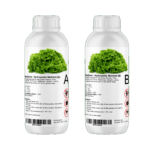
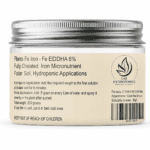
MaxGrow UAE A+B liquid (beginner, local brand, UAE water formulation) or Haifa chemical salts for DIY recipes (experienced growers). Key UAE requirement: use EDDHA chelated iron, not just EDTA, because UAE alkaline water makes EDTA ineffective above pH 6.5.
9. Can I grow coriander year-round hydroponically in UAE?
Yes, indoors with AC below 24°C, using bolt-resistant varieties (Slowbolt, Calypso). Outdoor UAE coriander is only viable October–April. Coriander bolts (goes to seed) within 2–3 weeks in UAE summer heat outdoors — inedible leaves result.
10. Is hydroponic produce safe to eat in UAE?
Yes. UAE hydroponic produce is generally safer than imported produce because: no soil-borne pathogens, no pesticides needed in closed environments, and fresh local delivery means less post-harvest handling. Ensure good hygiene: clean systems between cycles, use food-safe containers, and maintain clean growing practices.
11. What is the best lettuce variety for UAE hydroponic heat conditions?
Butterhead types (Ostinata, Rex F1), Coastal Star Romaine, and Green Oakleaf are most heat-tolerant with tipburn resistance. Avoid iceberg lettuce — extremely heat-sensitive. For commercial UAE production, Salanova multi-leaf types offer premium market value with good heat tolerance.
12. How do I prevent root rot in UAE summer?
Maintain water temperature below 22°C (primary factor — Pythium cannot establish in cooled water), maintain dissolved oxygen above 6 mg/L (large air stone, high-output pump), block light from reservoir, and apply preventive Trichoderma biological treatment at the start of each crop cycle.
13. Is there a hydroponic community in UAE?
Yes — active Facebook groups (UAE Hydroponics Community, Dubai Home Growers), Instagram communities (#uaehydroponics, #hydroponicsuae), WhatsApp groups through suppliers and community hubs, and occasional physical meetups and workshops in Dubai and Abu Dhabi. Arabic and English communities are both active.
14. Can I sell produce from my home hydroponics in UAE?
Personal consumption and sharing with family/friends: no license needed. Commercial sales: requires DED food business license + food safety certification from Dubai Municipality or ADAFSA. Selling from home to restaurants or retail: commercial food production license required in all UAE emirates.
15. How much does electricity cost to run a UAE hydroponic system?
A small home NFT system with LED light (80W): approximately AED 30–50/month at DEWA residential rates (AED 0.23–0.38/kWh). A full indoor grow room (300W LED + AC): AED 100–300/month depending on AC efficiency. Air conditioning is the dominant cost — an efficient AC unit running in a well-insulated grow room keeps costs manageable.
16. What is the best soil substitute for UAE hydroponics?
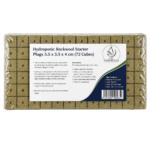
Hydroton LECA clay balls (reusable, pH neutral, excellent drainage — best overall) or rockwool (best for propagation and NFT). Coco perlite mix (70:30) is preferred for Dutch Bucket fruiting crop systems. Never use regular garden soil — it does not drain properly and introduces pathogens to hydroponic systems.
17. Can hydroponics work on a UAE apartment balcony?
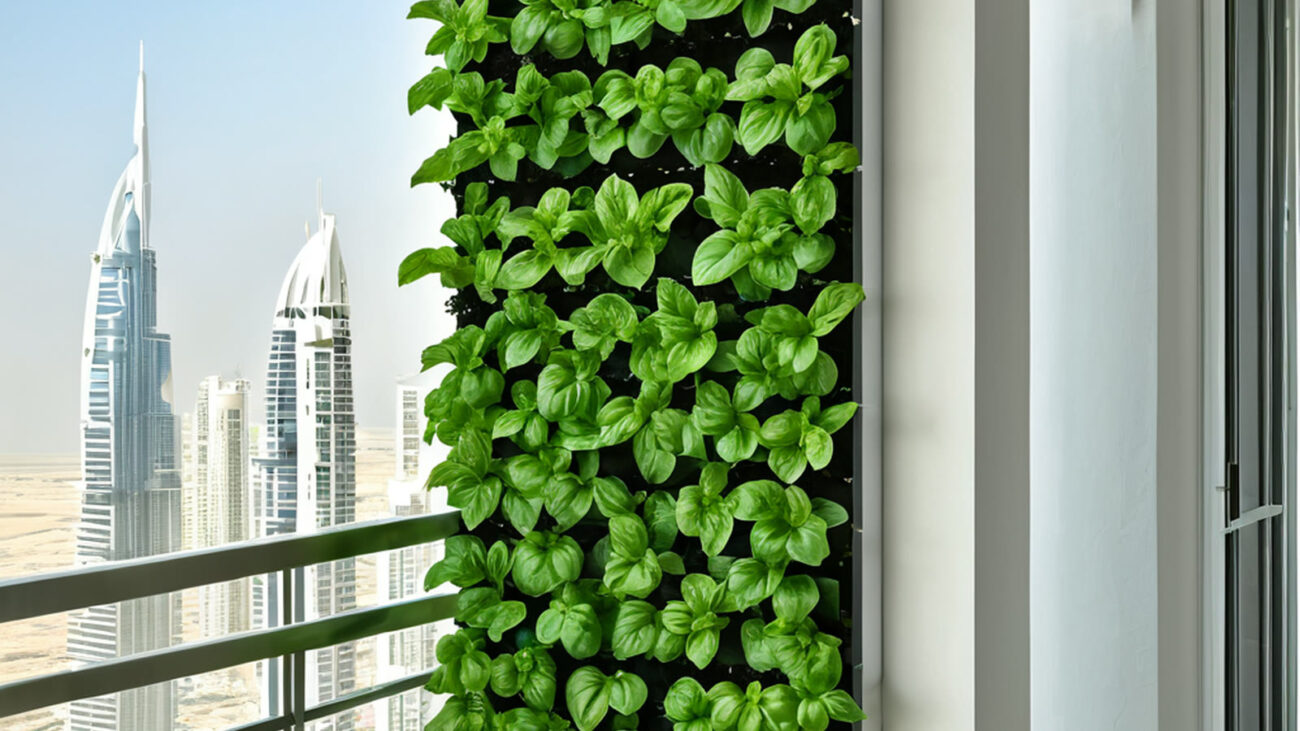
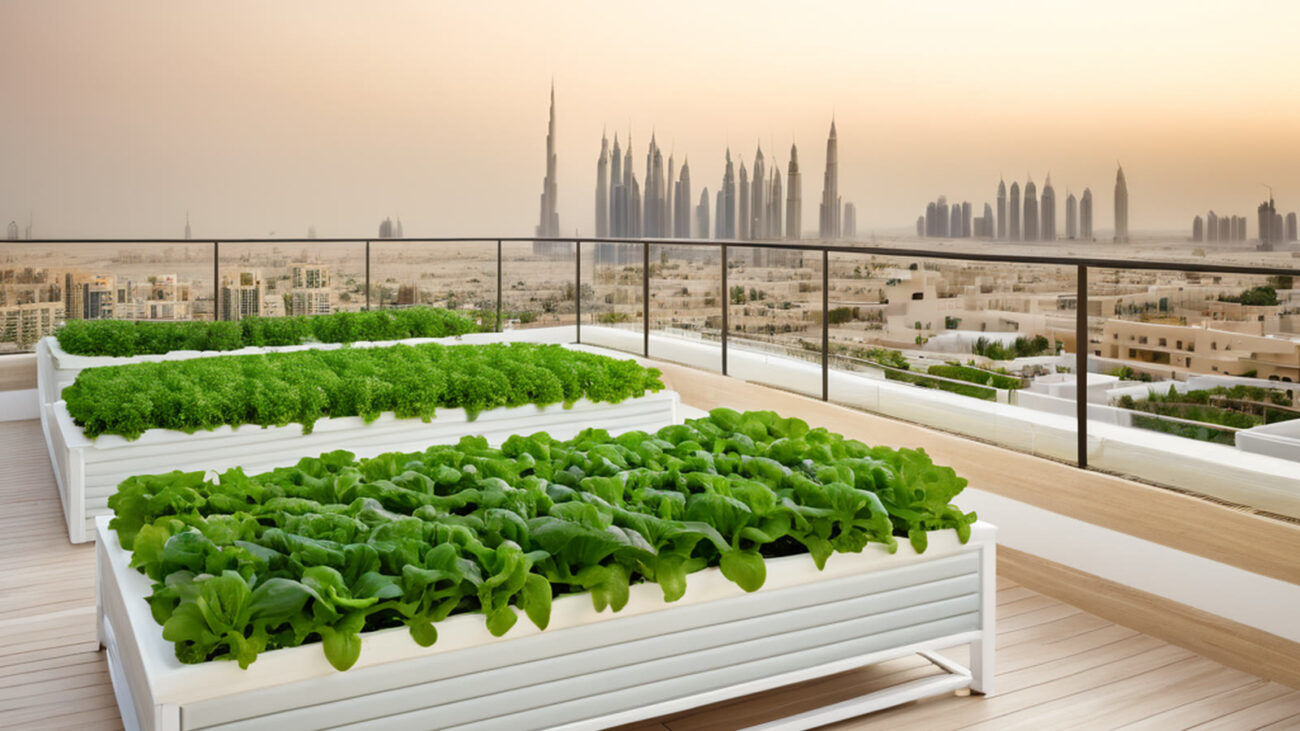
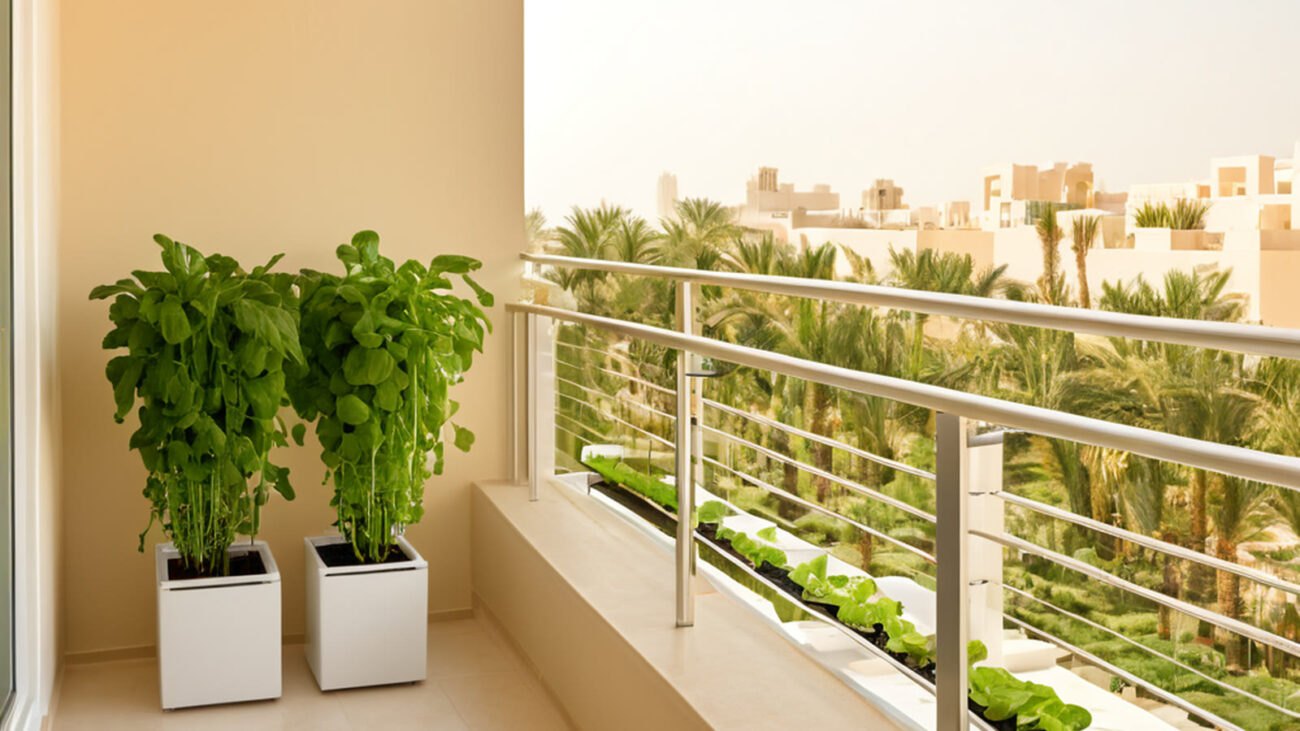
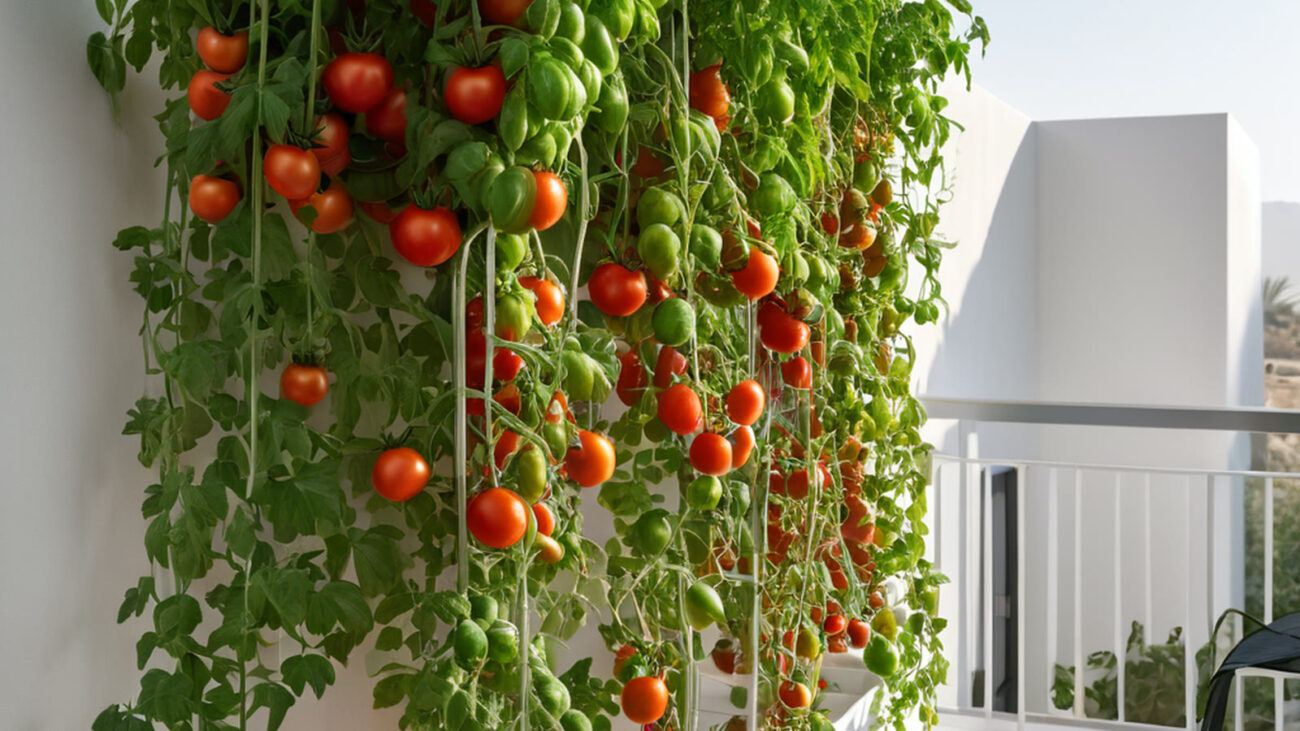
October–April, yes. Aeroponic towers and NFT channels work well on UAE balconies with 30–50% shade cloth for south-facing exposures. Move systems indoors or cover completely May–September. Check building regulations — most UAE apartments allow balcony gardening without soil.
18. Why does my pH keep rising back after I adjust it?
UAE tap water has very high bicarbonate alkalinity — a buffering capacity that resists pH change. The water “wants” to stay at its natural pH 7.5–8.5 and gradually neutralizes the acid you added. Solutions: use significantly more pH Down; allow 30–60 minutes for stabilization before final measurement; switch to lower-alkalinity RO water for more stable pH management.
19. What is the difference between EC and TDS?
EC (electrical conductivity, mS/cm) measures total ion concentration in solution. TDS (total dissolved solids, ppm/mg/L) is a calculated approximation of EC. Conversion: multiply EC by approximately 500–700 to get TDS. UAE hydroponic suppliers use EC (mS/cm) as the standard — stick with EC measurement for consistency.
20. What is the most profitable hydroponic crop in UAE?
For home growers: fresh mint and basil (AED 50–100/kg vs growing cost AED 5–15/kg). For commercial: microgreens (AED 200–400/kg, 7–14 day cycle) for maximum return per square metre. For volume commercial: basil and coriander have the best combination of demand volume and premium pricing in UAE’s hospitality market.
References
- Cornell University — Hydroponics FAQ
- University of Arizona CEAC — Common Questions in Hydroponic Production
- FAO — Soilless Culture: Questions and Answers
- ADAFSA — Hydroponic Production Guidelines UAE
- UAE Ministry of Climate Change — Food Security and Urban Agriculture FAQ