
Hydroponics Blog
Hydroponic Farming UAE 2026: Complete Guide to Starting and Growing

Quick Answer
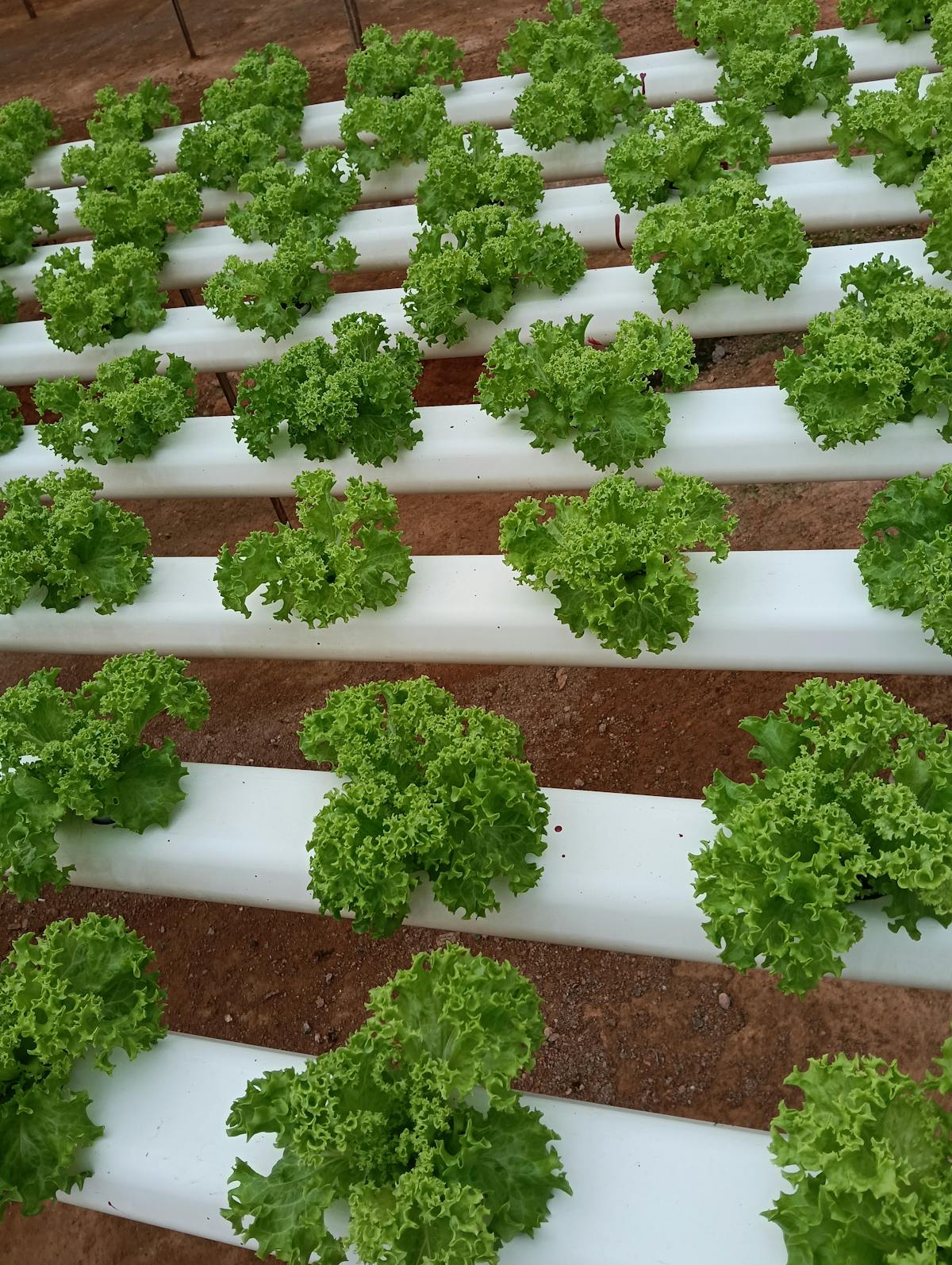
Hydroponic farming in UAE is growing rapidly, driven by the National Food Security Strategy 2051 and the need to reduce the 80%+ food import dependency. UAE growers use NFT, Dutch Bucket, DWC, and vertical farming systems to produce lettuce, herbs, tomatoes, and cucumbers year-round in climate-controlled indoor environments. Home systems start from AED 200; commercial operations from AED 150,000.
UAE Hydroponic Farming Overview
| Category | UAE Status (2026) |
|---|---|
| Total UAE Food Import Dependency | Over 80% of food imported |
| Government Target | Reduce imports 30–40% by 2051 (National Food Security Strategy) |
| Commercial Hydroponic Farms | 50+ registered operations in Dubai, Abu Dhabi, Sharjah |
| Estimated Home Growers | 20,000–50,000 home growers across UAE (estimated) |
| Market Growth Rate | 25–35% annual growth in hydroponic supplies market |
| Water Saving vs Conventional | 90–95% less water per kg of produce |
UAE Hydroponic Systems in Use
| System | Popularity in UAE | Primary Use | Scale |
|---|---|---|---|
| NFT (Nutrient Film Technique) | Very High | Lettuce, herbs, leafy greens | Home to commercial |
| Dutch Bucket | High | Tomatoes, cucumbers, peppers | Commercial standard |
| DWC (Deep Water Culture) | High | Lettuce, herbs (home) | Home to small commercial |
| Aeroponic Tower | Moderate | Herbs, lettuce, apartment growing | Home to small commercial |
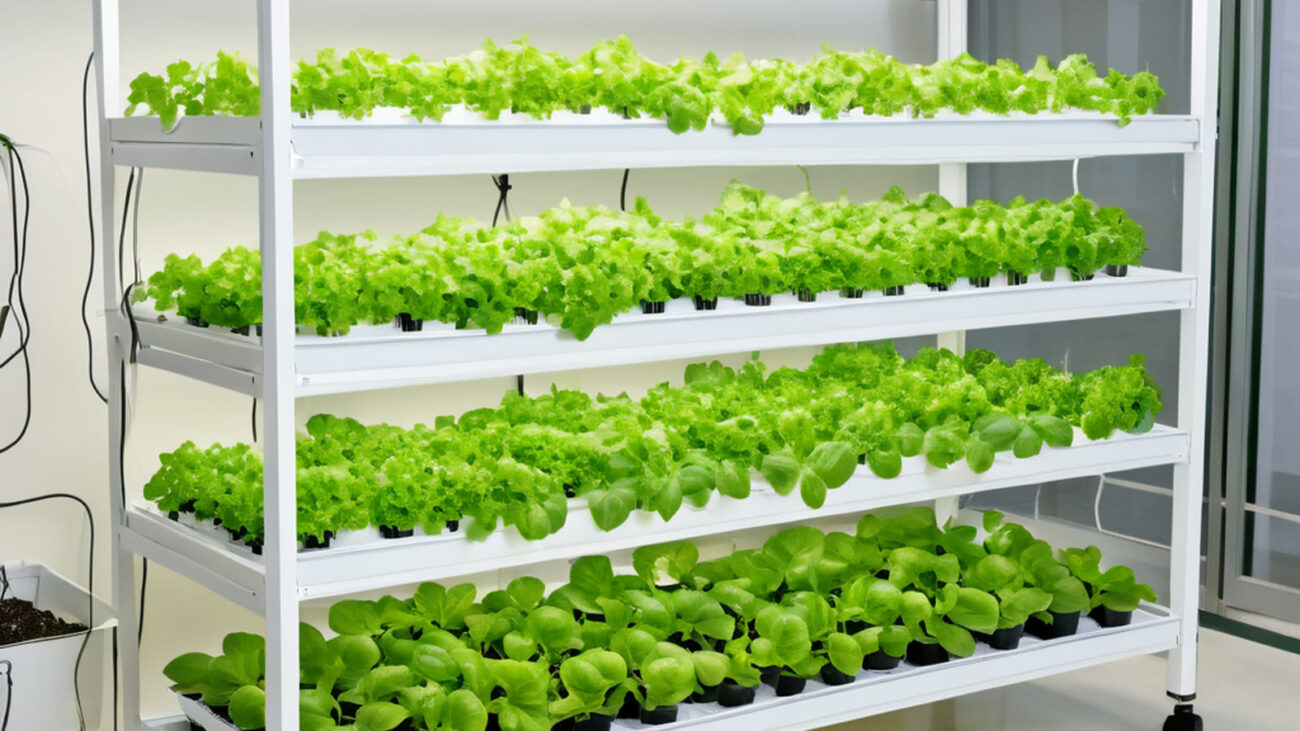
| Vertical CEA | Growing — commercial focus | All crops at maximum density | Commercial only |
| Aquaponics | Low-Moderate | Fish + vegetables combined | Home to small commercial |
UAE Hydroponic Farming Challenges
| Challenge | Severity | Solution |
|---|---|---|
| Extreme summer heat (45–50°C) | Critical | Climate-controlled indoor facilities |
| Alkaline tap water (pH 7.5–8.5) | High | pH Down daily management |
| High water costs | Moderate | Recirculating systems, RO water |
| High electricity costs | High | Efficient LED lighting, good insulation |
| Limited skilled workforce | Moderate | Training, automation, UAE growing community |
| Market access for small producers | Moderate | Direct-to-consumer, farmers markets, hospitality direct |
UAE Government Support for Hydroponic Farming
Both federal and emirate-level support programs exist for UAE hydroponic farming. Federal programs through the UAE Ministry of Climate Change and Environment include the National Food Security Strategy 2051 with associated funding and incentive programs. Abu Dhabi offers ADAFSA agricultural licenses with technical support, land allocation, and water allocation subsidies. Dubai offers the Dubai Municipality Urban Farming Initiative and access to Dubai Food Park infrastructure. Several UAE banks offer agricultural financing at preferential rates for food production businesses.
Frequently Asked Questions
Is hydroponic farming profitable in UAE?
Yes, at the right scale and with the right crops. UAE’s premium produce prices (herbs AED 50–100/kg, lettuce AED 20–40/kg), hospitality sector demand, and government support make well-managed operations commercially viable. Key profitability factors: electricity efficiency, high-value crop mix (herbs over volume crops), direct sales to hospitality sector, and consistent production quality. Most commercial operations reach break-even in 2–4 years.
What crops are most in demand for commercial UAE hydroponic farms?
Fresh herbs (basil, mint, coriander, parsley) command the highest prices and have consistent year-round demand from UAE’s 15,000+ restaurants and 500+ hotels. Lettuce and mixed salad greens are the highest-volume demand category. Cherry tomatoes and cucumbers are preferred by UAE hotels and premium retail for local traceability. Microgreens have very high margins but limited scale.
References
- UAE National Food Security Strategy 2051 — Emirates Food Security Council
- ADAFSA — Commercial Agriculture Licensing in UAE
- FAO — Protected Agriculture for Food Security
- Dubai Municipality — Urban Farming and Commercial Agriculture
- Cornell University — Commercial Hydroponic Production Economics
Shop Hydroponic Equipment — UAE Delivery
Get everything you need to start growing hydroponically with fast delivery across Dubai, Abu Dhabi, Sharjah, and all Emirates:
- NFT Channel System 3m (AED 2,796) — Complete 10-channel growing system
- NFT Channel System 100cm (AED 1,196) — Compact balcony-friendly system
- Dutch Bucket System (AED 50) — Perfect for tomatoes, peppers, cucumbers
- MaxGrow Nutrient A+B (AED 130) — Professional-grade vegetative nutrition
- pH Down Solution (AED 79) — Essential for UAE water
- LECA Clay Pebbles (AED 45) — Premium growing medium