
Hydroponics Blog
Calcium Nitrate UAE: Buy Ca(NO3)2 for Hydroponics, Tomatoes & Lettuce

Quick Answer
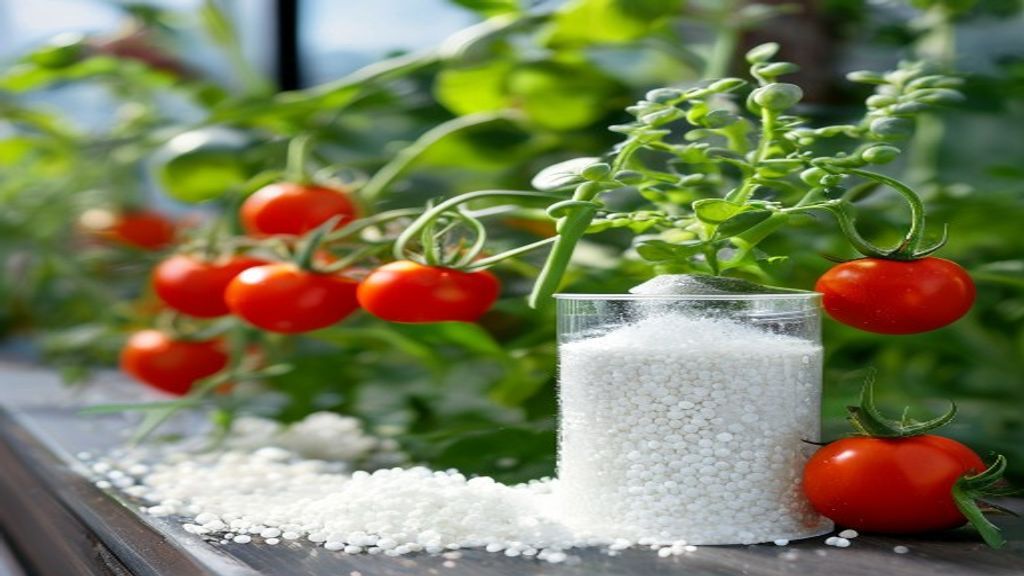
Calcium Nitrate (Ca(NO3)2) is the most important fertilizer salt for UAE hydroponics. It provides calcium (Ca) and nitrogen (N) in the nitrate form — two essential nutrients that are always included in Part A of any hydroponic two-part nutrient solution. In UAE, it is available from agricultural suppliers and hydroponic shops for AED 15–40 per kg. Standard dose: 80–120g per 100 litres of water.
Key Definitions
- Calcium Nitrate (Ca(NO3)2): A water-soluble fertilizer salt providing approximately 15.5% nitrogen (as nitrate) and 19% calcium. Essential in all hydroponic nutrient formulations.
- Nitrate Nitrogen (NO3-N): The preferred form of nitrogen for hydroponics. Safer than ammonium at standard doses and directly supports vegetative growth.
- Calcium (Ca): A structural macronutrient essential for cell wall development, root health, and fruit integrity. Deficiency causes tip burn in lettuce and blossom end rot in tomatoes.
- Precipitation: When two dissolved minerals react to form an insoluble solid (cloudiness or white residue). This is why calcium-containing Part A and phosphate-containing Part B must never be mixed in concentrated form.
- Two-Part System: Calcium nitrate is always in Part A because it cannot be stored in concentrated form with phosphates or sulfates without causing precipitation.
Why Calcium Nitrate is Essential in UAE Hydroponics
Calcium is one of the most commonly deficient nutrients in hydroponic systems despite UAE tap water containing some calcium (50–100 ppm). The issue is that calcium uptake is driven by transpiration — in UAE’s hot climate, plants transpire rapidly, but under indoor AC conditions, transpiration can be limited. This makes calcium nutrition management especially important for UAE growers.
Calcium Functions in Plants
- Cell wall structure and integrity — calcium pectin provides cell rigidity
- Root tip development — calcium is essential for new root growth
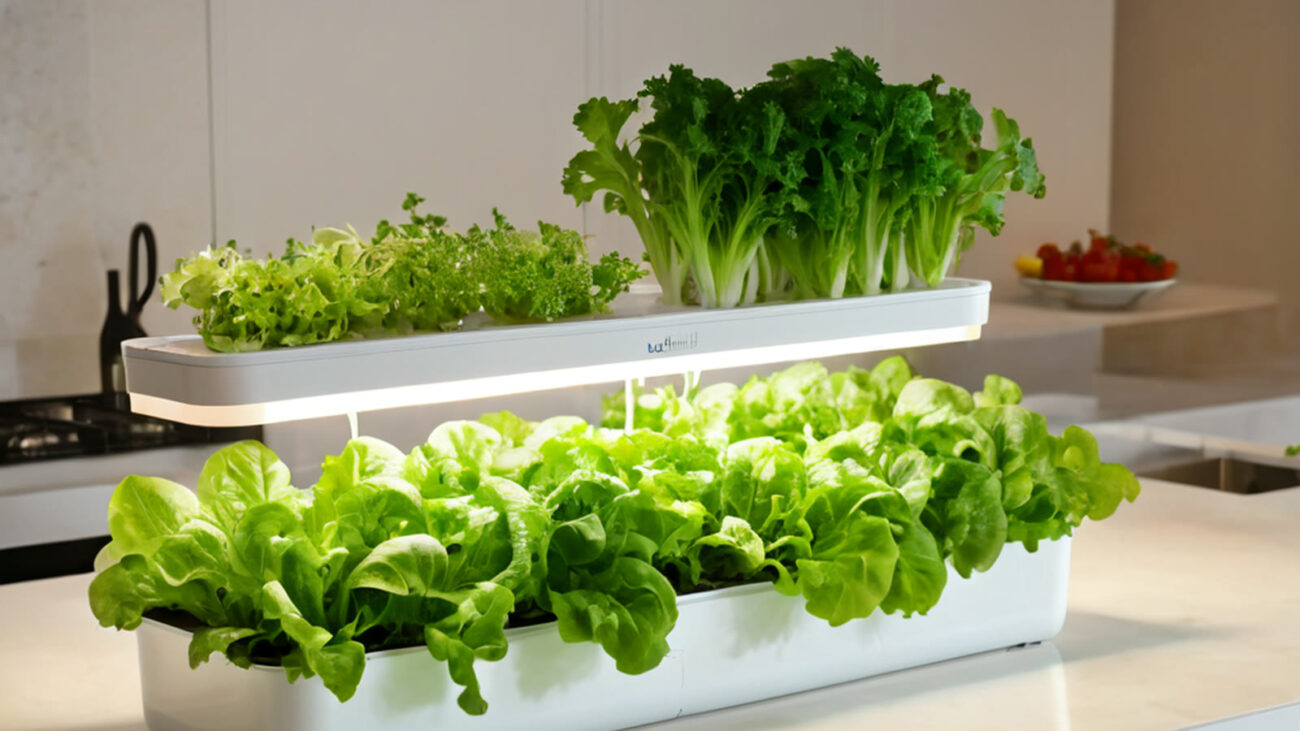
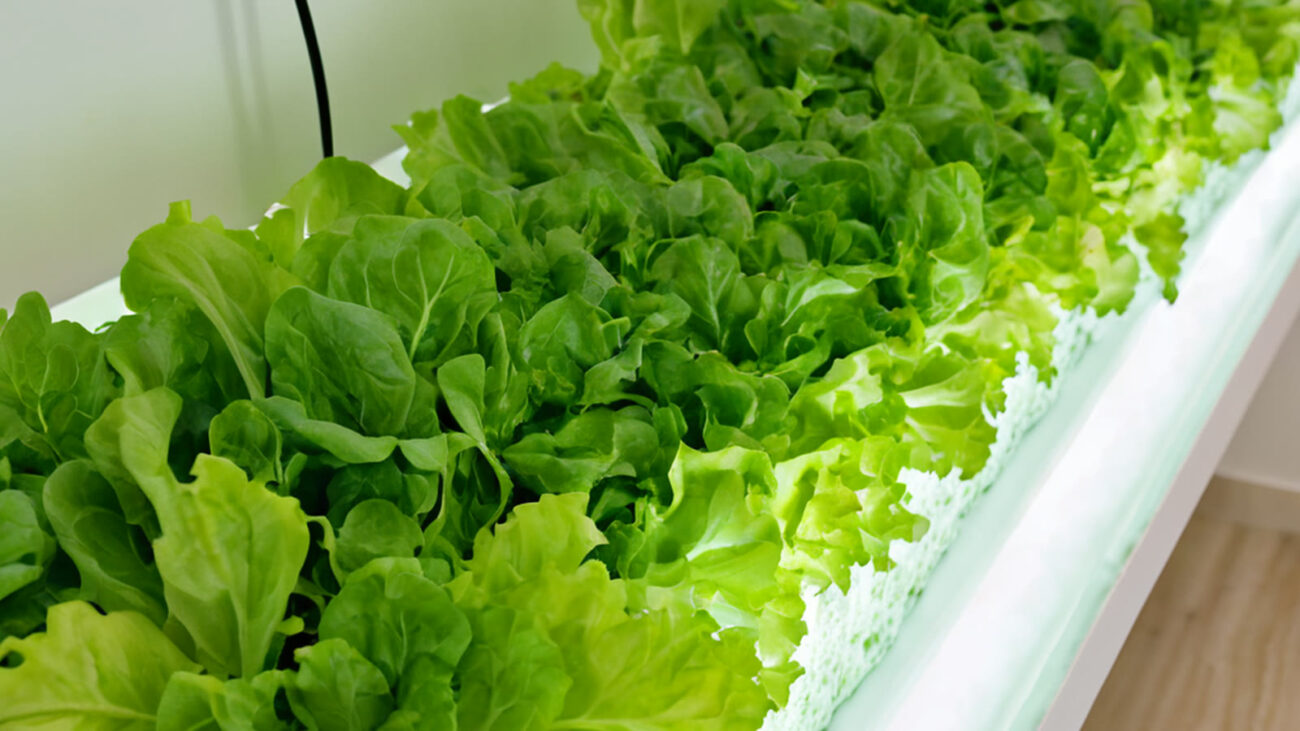
- Tip burn prevention in lettuce — a calcium deficiency of young inner leaves
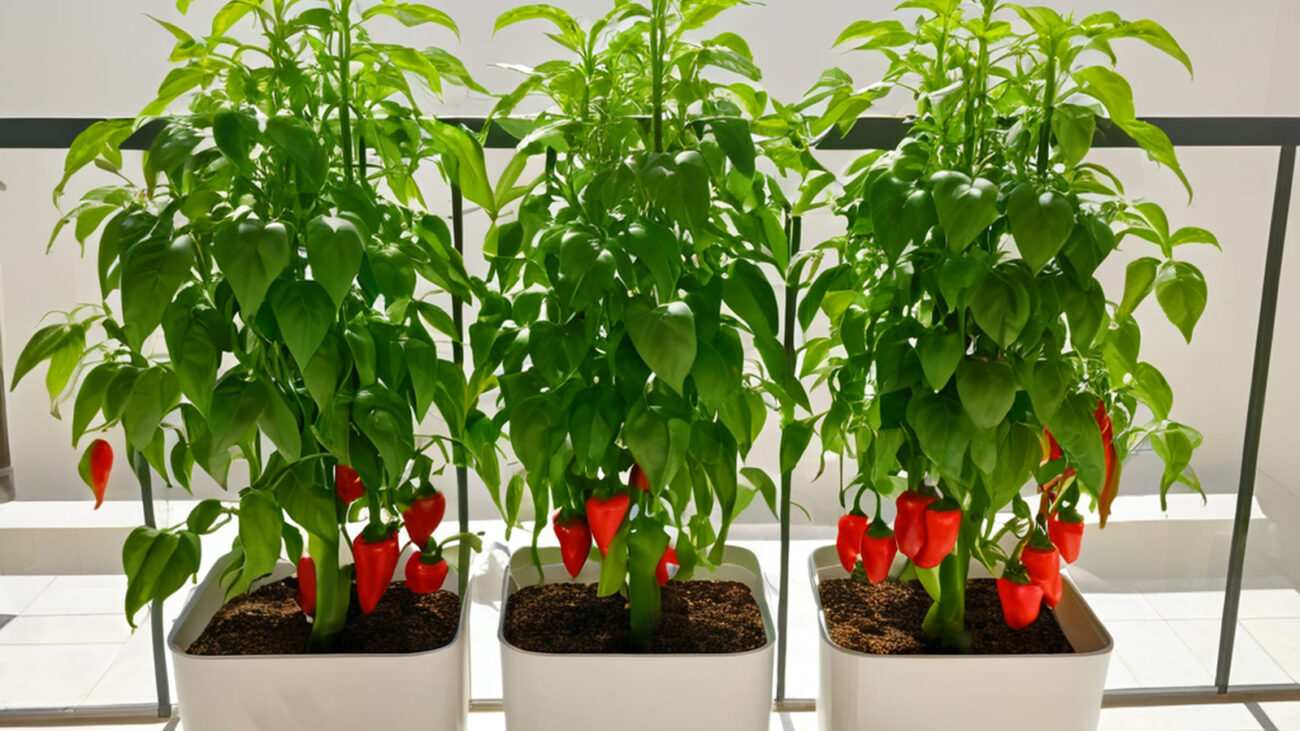
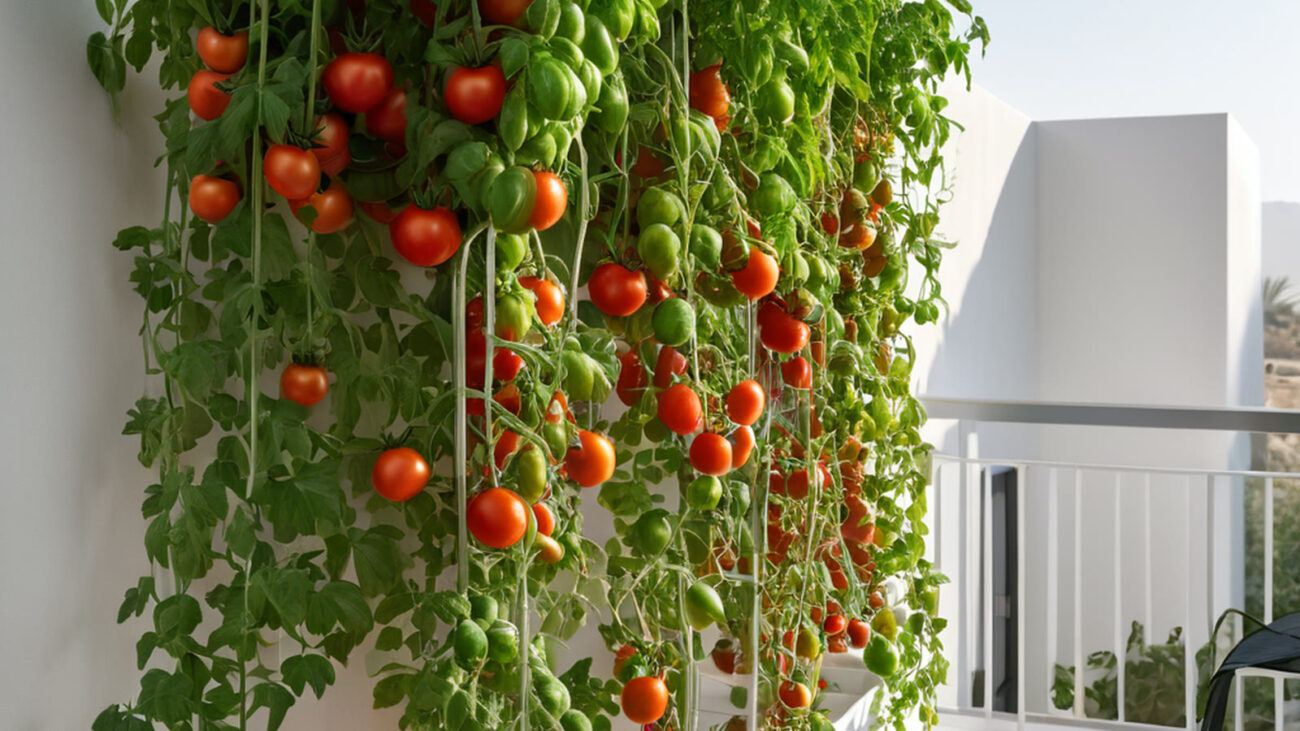
- Blossom end rot prevention in tomatoes and peppers — calcium movement to fruit
- Enzyme activation and signal transduction
Calcium Nitrate Technical Specifications
| Property | Value | Notes |
|---|---|---|
| Chemical Formula | Ca(NO3)2·4H2O | Tetrahydrate form (most common) |
| Calcium Content | 19% Ca (26.5% CaO) | — |
| Nitrogen Content | 15.5% N | 100% nitrate form |
| Solubility (20°C) | 1,212 g/L | Very high — fully soluble |
| pH Effect | Slightly alkaline | Minimal effect in diluted solution |
| Physical Form | White granules or prills | Hygroscopic — store in sealed container |
| EC Contribution | ~1.0 mS/cm per g/L | Approximate |
Calcium Nitrate Dosing Guide for UAE Hydroponics
| Crop Type | Growth Stage | Dose per 100L | Ca Target (ppm) | N from Ca(NO3)2 (ppm) |
|---|---|---|---|---|
| Seedlings | Week 1–2 | 40–60g | 80–100 | 60–90 |
| Leafy greens | Vegetative | 80–100g | 150–180 | 120–150 |
| Herbs | Vegetative | 70–90g | 120–160 | 100–140 |
| Tomatoes (vegetative) | Early | 100–120g | 180–220 | 150–180 |
| Tomatoes (fruiting) | Fruiting | 110–130g | 200–250 | 160–190 |
| Peppers/Cucumbers | All | 90–110g | 160–200 | 140–170 |
Note: UAE tap water already contributes 50–100 ppm calcium. Reduce doses by 10–20% when using high-calcium tap water. Test tap water or obtain water quality report from your utility provider.
Calcium Deficiency in UAE Hydroponic Crops
| Crop | Deficiency Symptom | Where It Appears | Solution |
|---|---|---|---|
| Lettuce | Tip burn (brown leaf edges) | Inner young leaves | Increase Ca(NO3)2 dose; improve airflow |
| Tomatoes | Blossom end rot (dark sunken patch on fruit bottom) | Base of developing fruits | Increase Ca(NO3)2; ensure consistent watering |
| Peppers | Blossom end rot, distorted leaves | Fruit base, new growth | Increase Ca(NO3)2 dose in fruiting stage |
| Cucumbers | Hooked cucumber (banana shape), bitter taste | Developing fruits | Increase Ca(NO3)2, maintain consistent EC |
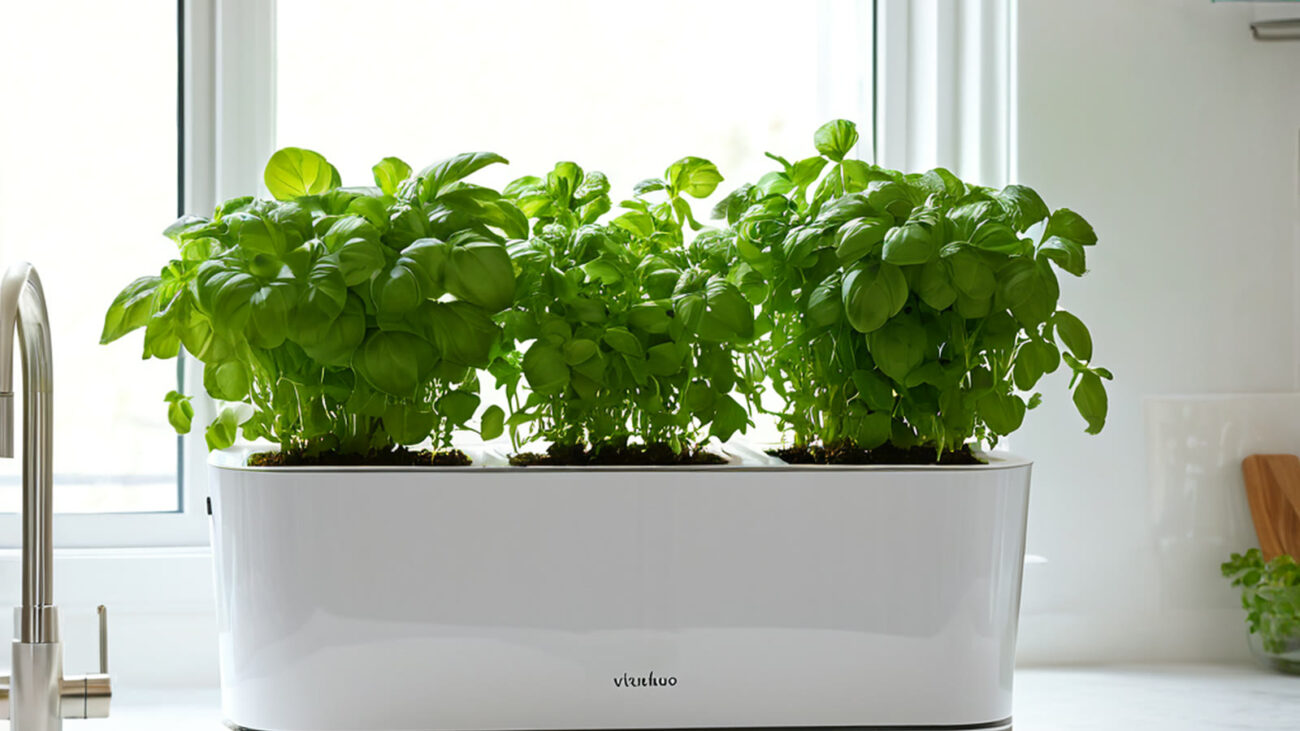
| Basil | Distorted, cupped new leaves | Growing tips | Increase Ca(NO3)2, check pH is below 6.5 |
Calcium Nitrate Storage in UAE Climate
Calcium nitrate is highly hygroscopic — it absorbs moisture from the air and can form solid clumps in UAE’s humid coastal conditions (Dubai, Abu Dhabi, Sharjah). Storage requirements: sealed, airtight containers; in a cool, dry location away from heat sources (never in a car or hot garage); away from flammable materials (Ca(NO3)2 is an oxidizer). If clumping occurs, the product is still usable — break apart and dissolve in water before use. Store bags in sealed ziplock bags or airtight containers after opening.
Where to Buy Calcium Nitrate in UAE
| Source | Grade | Pack Size | Price (AED) | Notes |
|---|---|---|---|---|
| Hydroponic shops (UAE) | Horticultural (99%+) | 1kg, 5kg bags | 15–25 (1kg), 50–90 (5kg) | Best quality for home use |
| Agricultural suppliers | Agricultural grade | 25kg bags | 80–150 (25kg) | Good for commercial use |
| uae-hydroponics.com | Horticultural | 1kg, 5kg | 25–100 | Online with UAE delivery |
| Noon / Amazon UAE | Various | 1–5kg | 20–100 | Verify purity and grade |
Calcium Nitrate vs Other Calcium Sources
| Source | Ca% | N% | Solubility | UAE Hydro Suitability |
|---|---|---|---|---|
| Calcium Nitrate Ca(NO3)2 | 19% | 15.5% NO3 | Very High | Excellent — standard |
| Calcium Chloride CaCl2 | 27% | — | Very High | Use with caution — adds chloride |
| Gypsum CaSO4 | 23% | — | Low (2.4 g/L) | Poor — limited solubility |
| Limestone CaCO3 | 40% | — | Very Low | Not suitable — insoluble |
| Foliar Calcium Spray | Varies | — | Applied as spray | Supplemental only — not a replacement |
5 Quotable Facts About Calcium Nitrate in UAE Hydroponics
- Calcium nitrate is the only practical water-soluble calcium source that simultaneously supplies nitrate nitrogen, making it the most nutrient-efficient fertilizer salt for hydroponic Part A solutions.
- Lettuce tip burn — the most common quality defect in UAE hydroponic lettuce — is caused by calcium deficiency in young inner leaves and is prevented by maintaining calcium levels above 150 ppm in nutrient solution.
- UAE tap water already contains 50–100 ppm calcium, meaning UAE growers need less calcium nitrate than growers using RO or low-mineral water in other countries.
- Calcium and phosphate cannot be stored together in concentrated form — mixing calcium nitrate with phosphate solutions causes calcium phosphate precipitation, rendering both nutrients unavailable to plants.
- At pH above 6.5, calcium absorption by plant roots decreases significantly — maintaining pH 5.8–6.2 is as important as correct calcium dosing for preventing deficiency symptoms in UAE hydroponics.
Frequently Asked Questions
How do I use calcium nitrate in a hydroponic system?
Calcium nitrate is always Part A in a two-part hydroponic nutrient system. Dissolve the required dose in water first (before adding any phosphate-containing nutrients). Mix calcium nitrate with water, then in a separate operation add the Part B (phosphate/potassium) to the same reservoir after the calcium has fully dissolved. Never mix concentrated calcium nitrate and phosphate solutions directly together.
Why does my lettuce get tip burn despite adding calcium nitrate?
Tip burn in lettuce is caused by insufficient calcium reaching the youngest inner leaves, not necessarily low total calcium in the solution. Calcium moves via transpiration — if airflow to inner leaves is limited, tip burn occurs even with adequate solution calcium. Solutions: increase air circulation (fan), lower temperatures (reduce transpiration demand), increase calcium nitrate dosing slightly, and consider calcium foliar spray on young inner leaves.
What is the difference between calcium nitrate and ammonium nitrate?
Calcium nitrate (Ca(NO3)2) provides calcium + nitrate nitrogen. Ammonium nitrate (NH4NO3) provides ammonium + nitrate nitrogen but no calcium. In hydroponics, calcium nitrate is strongly preferred because: it supplies essential calcium, and the nitrate-only nitrogen is safer and better tolerated than ammonium at high concentrations, especially in UAE’s warm water temperatures where ammonium toxicity risk is elevated.
Can I use calcium nitrate for foliar spray in hydroponics?
Yes, as a supplement for tip burn prevention. Dissolve 1–2g of calcium nitrate per litre of water and spray directly onto young lettuce leaves or developing tomato fruits showing blossom end rot. Foliar application bypasses the root-to-leaf transport limitation that causes deficiency symptoms. Spray in the evening or in shade to prevent leaf burn from rapid evaporation in UAE heat.
References
- Cornell University — Calcium Nutrition in Greenhouse Crops
- University of Arizona CEAC — Hydroponic Nutrient Management
- Haifa Group — Calcium Nitrate Technical Data
- FAO — Soilless Culture for Horticultural Crop Production
- ADAFSA — Fertilizer and Agricultural Inputs Standards, UAE