
Hydroponics Blog
Best Hydroponic Herbs for Dubai Balconies in 2026

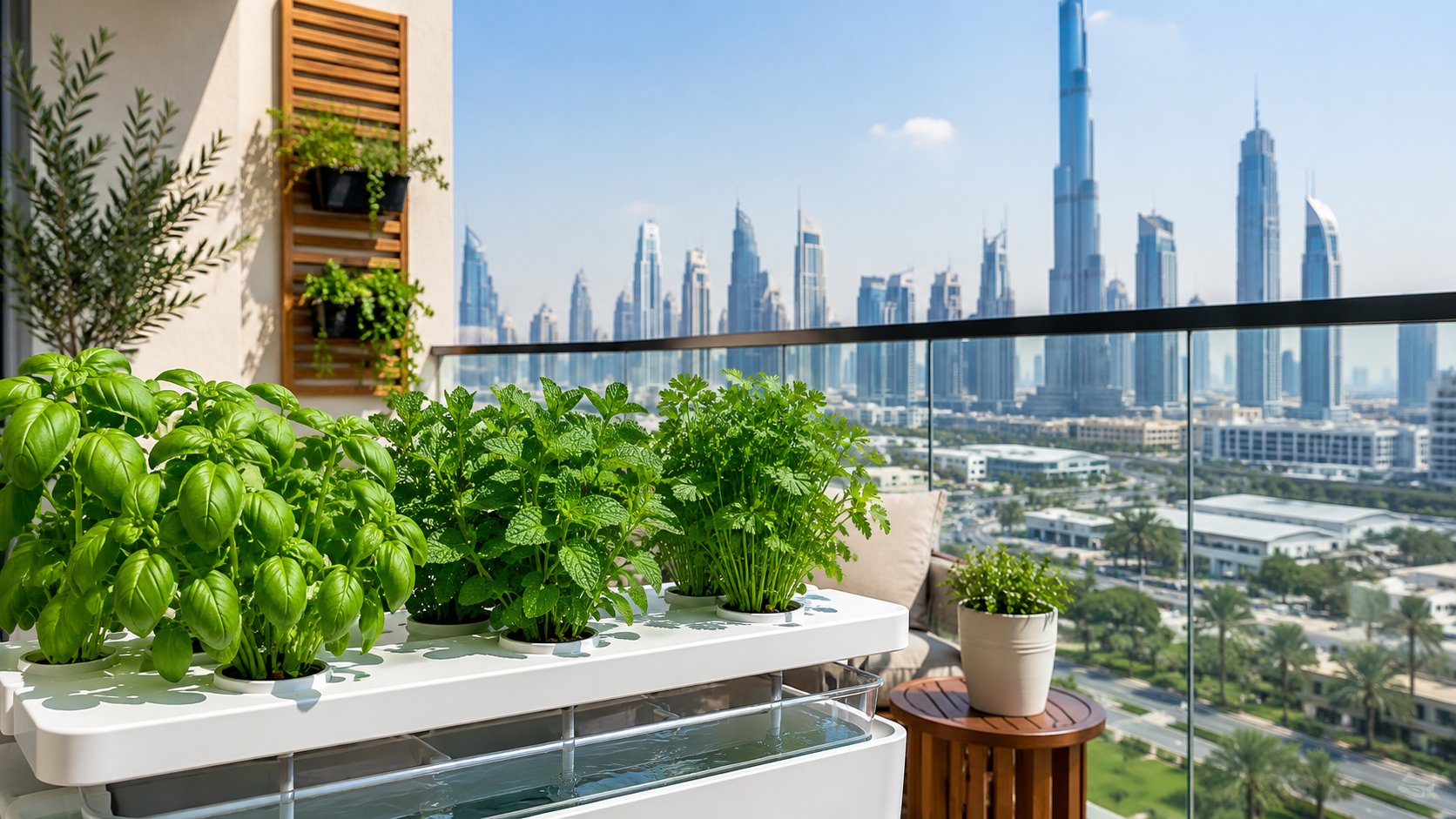
Gardening in Dubai’s hot, arid climate poses unique challenges, especially for residents eager to grow fresh herbs on their balconies. Traditional soil gardening often struggles under intense sunlight and minimal rainfall, but hydroponics offers an innovative, water-efficient solution tailored for urban settings. Identifying the best hydroponic herbs Dubai balconies can help homeowners enjoy fresh flavours year-round while making optimal use of limited space and extreme weather conditions. This comprehensive article dives deep into how to select, grow, and maintain hydroponic herbs specifically suited for Dubai’s environment, providing growers a practical guide to thriving balcony gardens in 2026.
From selecting the right plants to choosing efficient hydroponic systems compatible with desert climates, we cover everything hydroponic growers in Dubai need to know. Whether you’re a beginner exploring a balcony herb garden UAE setup or an experienced hydroponic gardener aiming to improve crop yield in a desert setup, this article delivers expert insights and actionable advice on growing herbs on Dubai balconies using hydroponics. Let’s explore how to harness hydroponic gardening Dubai techniques tailored for desert habitats, ensuring your herbs flourish despite the harsh environment.
Quick Answer
The best hydroponic herbs Dubai balconies include basil, mint, cilantro, thyme, and oregano due to their adaptability to hydroponic systems and resilience in warm conditions. These herbs thrive with consistent nutrient delivery and controlled lighting found in indoor hydroponic herbs or shaded balcony setups. Utilizing efficient hydroponic systems Dubai residents favour, such as NFT (Nutrient Film Technique) or drip irrigation, ensures optimal growth even in desert hydroponic farming conditions. Carefully monitoring pH (5.5-6.5), electrical conductivity (EC of 1.2-2.0 mS/cm), temperature (18-30°C), and humidity will help sustain healthy, flavorful crops. This selection, paired with proper system management, is your best bet for cultivating thriving, aromatic plants on any Dubai balcony throughout the year.
What Is Hydroponic Herb Gardening?
Hydroponic herb gardening is a soilless cultivation method where herbs grow in nutrient-rich water solutions. This technique bypasses traditional soil planting by delivering essential macro and micro nutrients directly to plant roots, promoting faster growth and higher yields. Hydroponics offers precise control over growing conditions such as nutrient concentration, pH levels, and moisture, which is especially beneficial for balconies in harsh climates like Dubai. With limited backyard space or poor soil quality, hydroponic gardening Dubai residents rely on provides an efficient, sustainable way to cultivate a variety of herbs indoors or on balconies.
Hydroponic herbs UAE growers cultivate benefit from reduced water consumption—a crucial advantage in desert regions characterized by scarce water resources. The closed-loop nature of many hydroponic systems minimizes waste and evaporation, which makes them highly water-efficient compared to traditional soil gardening. Additionally, plants grown hydroponically tend to have fewer pest issues and diseases since soil-borne pathogens are eliminated. The absence of soil also allows for cleaner, simpler harvests, making hydroponic herbs ideal for urban living.
Hydroponic herbs can be grown using several system types, including Nutrient Film Technique (NFT), Deep Water Culture (DWC), Aeroponics, and drip irrigation systems. Each system differs in complexity, nutrient delivery methods, and suitability depending on space and environmental controls—factors critically important when designing a balcony herb garden UAE residents will maintain. Understanding the principles and best practices for hydroponic cultivation enables growers to maximize productivity even under Dubai’s intense sun and heat.
Why Growing Hydroponic Herbs on Dubai Balconies Matters
Dubai’s desert environment presents significant constraints for traditional gardening, including high temperatures, minimal annual rainfall, and poor soil quality. Growing hydroponic herbs on balconies serves as a water-wise, space-efficient, and climate-resilient solution that empowers residents to produce fresh, nutritious herbs locally. This practice aligns with the UAE’s sustainability goals and urban agriculture initiatives, offering both environmental and economic benefits.
Water conservation is a major benefit of hydroponic herb gardening in desert regions. Hydroponic systems recirculate water, lowering overall consumption by up to 90% compared to conventional soil-based methods, essential amid Dubai’s water scarcity issues. By producing herbs at home, residents reduce reliance on imported produce, cutting carbon emissions linked to transportation and refrigeration. This supports Dubai’s drive towards sustainable food security and reduced ecological footprints associated with food supply chains.
Additionally, balcony herb gardens in Dubai increase urban greenery, enhancing air quality and providing mental health benefits associated with gardening activities. Hydroponic herbs are harvested fresh and free from soil contaminants, offering superior flavor and nutritional quality. From a culinary perspective, having access to homegrown herbs elevates everyday cooking and encourages healthier eating habits. These combined advantages make focusing on the best hydroponic herbs Dubai balconies can accommodate a significant lifestyle improvement for residents.
Step-by-Step Guide to Growing Hydroponic Herbs on Your Dubai Balcony
Implementing a successful hydroponic herb garden involves careful planning, selection of appropriate systems, and continuous monitoring of growing conditions. Below is a detailed stepwise approach tailored for Dubai balconies to ensure maximum productivity and herb quality.
- Step 1: Select Suitable Herbs
Choose herbs known for thriving in hydroponic systems and warm climates, including basil, mint, cilantro, thyme, oregano, chives, and parsley. - Step 2: Choose a Hydroponic System
For balconies, compact systems like NFT or drip irrigation are ideal. Consider ease of installation, maintenance, and durability under sun exposure. - Step 3: Gather Growing Supplies
Purchase high-quality nutrient solutions (look for hydroponic-specific fertilizer blends), pH meter, EC meter, grow media (coco coir, rockwool), and LED grow lights if natural light is insufficient. - Step 4: Prepare Nutrient Solution
Mix water with hydroponic nutrients maintaining EC between 1.2-2.0 mS/cm and pH between 5.5-6.5 (Reference: standard hydroponic guidelines). Regularly test and adjust. - Step 5: Seed Starting and Transplanting
Start herb seeds in starter plugs or rockwool cubes. Once seedlings develop 2-3 true leaves, transplant into hydroponic system. - Step 6: Positioning and Lighting
Place system on balconies with partial shade, ideally receiving 4-6 hours of indirect sunlight to avoid leaf scorch. Supplement with indoor hydroponic herbs LED lighting as needed. - Step 7: Monitor Environmental Conditions
Maintain temperature between 18-30°C, humidity 50-70%, and good air circulation. Avoid direct exposure to extreme midday sun. - Step 8: Routine Maintenance
Check nutrient levels, pH daily to weekly. Prune herbs regularly to encourage bushier growth. Watch for pests and diseases frequently.
| Parameter | Recommended Range | Notes |
|---|---|---|
| pH | 5.5 – 6.5 | Ensures nutrient availability and uptake is optimized (Reference: standard hydroponic guidelines) |
| Electrical Conductivity (EC) | 1.2 – 2.0 mS/cm | Varies by herb species; maintain within range to avoid nutrient burn or deficiency |
| Temperature | 18 – 30°C | Ideal air temperature for most herbs; protect from extreme heat shocks |
| Humidity | 50% – 70% | Moderate humidity reduces transpiration stress in desert conditions |
| Light | 4-6 hours indirect sunlight + supplemental LED if required | Prevents leaf scorch and promotes photosynthesis in balcony environments |
Following this guide ensures harnessing the full benefits of hydroponics while adapting to Dubai’s specific balcony constraints. Regular observation and adjustments are key to long-term success.
Best Hydroponic Systems and Herb Varieties for Dubai Balconies
Selecting the ideal hydroponic system alongside fitting herb varieties is crucial for productive balcony gardens in Dubai. Compact, low-maintenance options help accommodate limited balcony space and reduce complexity for growers.
| System Type | Description | Suitability for Dubai Balconies |
|---|---|---|
| Nutrient Film Technique (NFT) | Thin film of nutrient solution recirculates over roots in a shallow channel | Low water usage, compact setup, ideal for leafy herbs like basil and mint |
| Drip Irrigation | Nutrient solution drips onto growing media around roots | Flexible for various pot sizes, suits diverse herbs including oregano, thyme |
| Deep Water Culture (DWC) | Roots suspended in oxygenated nutrient-rich water | Requires careful oxygenation; suitable for larger spaces and more experienced growers |
| Aeroponics | Roots misted periodically with nutrients | High efficiency but complex; less practical for amateur balcony growers |
Regarding herbs, consider the following varieties as the best hydroponic herbs Dubai balconies can sustain:
- Basil: Grows rapidly in hydroponic conditions, prefers slightly acidic pH, thrives under moderate light.
- Mint: Vigorous grower, thrives in NFT and drip systems, requires frequent pruning to prevent overgrowth.
- Cilantro: Prefers cooler temperatures within range; grows faster hydroponically than in soil.
- Thyme: Compact herb, well-suited for drip irrigation; tolerates warmer conditions.
- Oregano: Hardy, low-maintenance, produces flavorful leaves year-round in hydroponic setups.
- Chives: Easy to grow indoors or on balconies; benefits from well-aerated nutrient flow.
- Parsley: Thrives with balanced nutrients and stable pH; nutrient demands slightly higher than some herbs.
Pairing appropriate systems with these herb varieties enhances growth efficiency and crop quality for Dubai’s balcony growers.
Considerations for UAE and Desert Climate Hydroponic Herb Gardening
Dubai’s desert climate necessitates specific adaptations in hydroponic herb gardening. High daytime temperatures often exceed 40°C in summer, with dry air and intense solar radiation impacting plant health and system stability. Balconies receive variable sunlight and strong winds, which can cause evapotranspiration stress and nutrient solution imbalance.
To mitigate these challenges, hydroponic gardeners should:
- Provide shading to reduce direct midday sun exposure, preferably using shade cloths achieving 30-50% light reduction to avoid leaf burn.
- Choose grow media with good water retention like coco coir or rockwool to maintain root moisture during hot spells.
- Use insulated or reflective containers and covers to prevent nutrient solutions from overheating, as elevated root zone temperatures reduce oxygen availability.
- Maintain indoor or semi-indoor setups during peak summer months to control temperature and humidity, leveraging indoor hydroponic herbs management strategies common in the UAE.
- Regularly monitor and adjust nutrient solution parameters (pH, EC) since high evaporation rates alter concentration rapidly in desert hydroponic farming.
- Increase frequency of nutrient solution changes to avoid buildup of salts common in arid environments.
- Improve air circulation using fans to cool plants and prevent fungal diseases promoted by stagnant humid air during cooler months.
Adhering to these desert-specific techniques ensures hydroponic herb gardens remain productive and healthy. Dubai balcony growers combining climate-smart practices with the best hydroponic herbs Dubai balconies will achieve year-round success despite environmental challenges.
Common Mistakes When Growing Hydroponic Herbs on Balconies and How to Avoid Them
While hydroponics is an efficient gardening method, beginners in Dubai often encounter typical errors that reduce herb yield or cause system failure. Awareness and avoidance of these mistakes can dramatically improve results.
- Neglecting pH and Nutrient Monitoring: Failure to regularly check and adjust pH (optimal 5.5-6.5) and EC (1.2-2.0 mS/cm) leads to nutrient lockout or toxicity. Use a reliable pH and EC meter, testing daily or at minimum twice weekly.
- Overexposure to Sunlight: Placing plants in direct afternoon sun without shading causes leaf scorch and nutrient stress. Use shade cloths or reposition systems for partial sun exposure.
- Improper Water Temperature Management: Letting nutrient solutions overheat (above 25°C) reduces dissolved oxygen, suffocating roots. Employ water chillers or shade nutrient reservoirs.
- Poor Air Circulation: Stagnant air increases risk of fungal diseases. Use fans to improve airflow and stabilize humidity.
- Overcrowding Plants: Dense planting limits airflow and light penetration, reducing herb quality. Space plants according to growth habits for healthy development.
- Ignoring Pest Signs: Aphids, spider mites, and fungus gnats can infest hydroponic herbs. Conduct regular inspections and use natural pest control methods promptly.
- Infrequent Nutrient Solution Changes: Debris and salt buildup occurs over time. Replace solution every 10-14 days depending on system size and plant demand.
By proactively addressing these common issues, Dubai balcony growers maximize their chances of flourishing, healthy hydroponic herbs with minimal resource wastage.
Troubleshooting Hydroponic Herb Problems on Dubai Balconies
Despite preventive care, hydroponic herb growers may face challenges unique to balcony and desert settings. Typical problems and solutions include:
- Yellowing Leaves: Often a symptom of nutrient deficiency or incorrect pH. Test and adjust nutrient solution pH first; supplement nitrogen or iron if deficiency suspected.
- Slow or Stunted Growth: Causes include insufficient light, improper temperature, or nutrient imbalance. Evaluate light access and ensure temperature stays within 18-30°C.
- Leaf Burn or Wilting: Indicative of excessive light intensity or heat stress. Relocate system to shaded parts of the balcony and increase misting or humidity.
- Root Rot: Caused by poor oxygenation or overly saturated media. Inspect and improve oxygen levels using air stones or reduce watering frequency.
- Pest Infestations: Employ biological controls like neem oil or insecticidal soaps safe for edible plants; quarantine affected plants promptly.
- Algae Growth in Reservoir: Occurs when reservoirs are exposed to sunlight; cover or paint reservoirs black to block light.
Systematic diagnosis and timely intervention ensure that problems do not compromise the entire hydroponic herb garden on your Dubai balcony.
FAQ
- Q: What are the best hydroponic herbs Dubai balconies can easily grow year-round?
A: Herbs like basil, mint, thyme, oregano, and cilantro adapt excellently to balcony hydroponic systems in Dubai due to their tolerance for warm conditions, relatively low maintenance, and fast growth cycles using controlled nutrient and light management. - Q: How to grow herbs hydroponically in desert climates like the UAE?
A: Focus on water-efficient systems like NFT or drip irrigation, maintain stable pH and EC levels, provide shading to protect against intense heat, and use insulated reservoirs to prevent nutrient overheating. - Q: Which hydroponic system is best suited for balcony herb gardens in Dubai?
A: The Nutrient Film Technique (NFT) system is ideal for limited spaces and crops like leafy herbs, whileRelated Reading