Hydroponics Blog
Best Hydroponic Nutrients UAE 2026: Complete Feeding Guide in AED

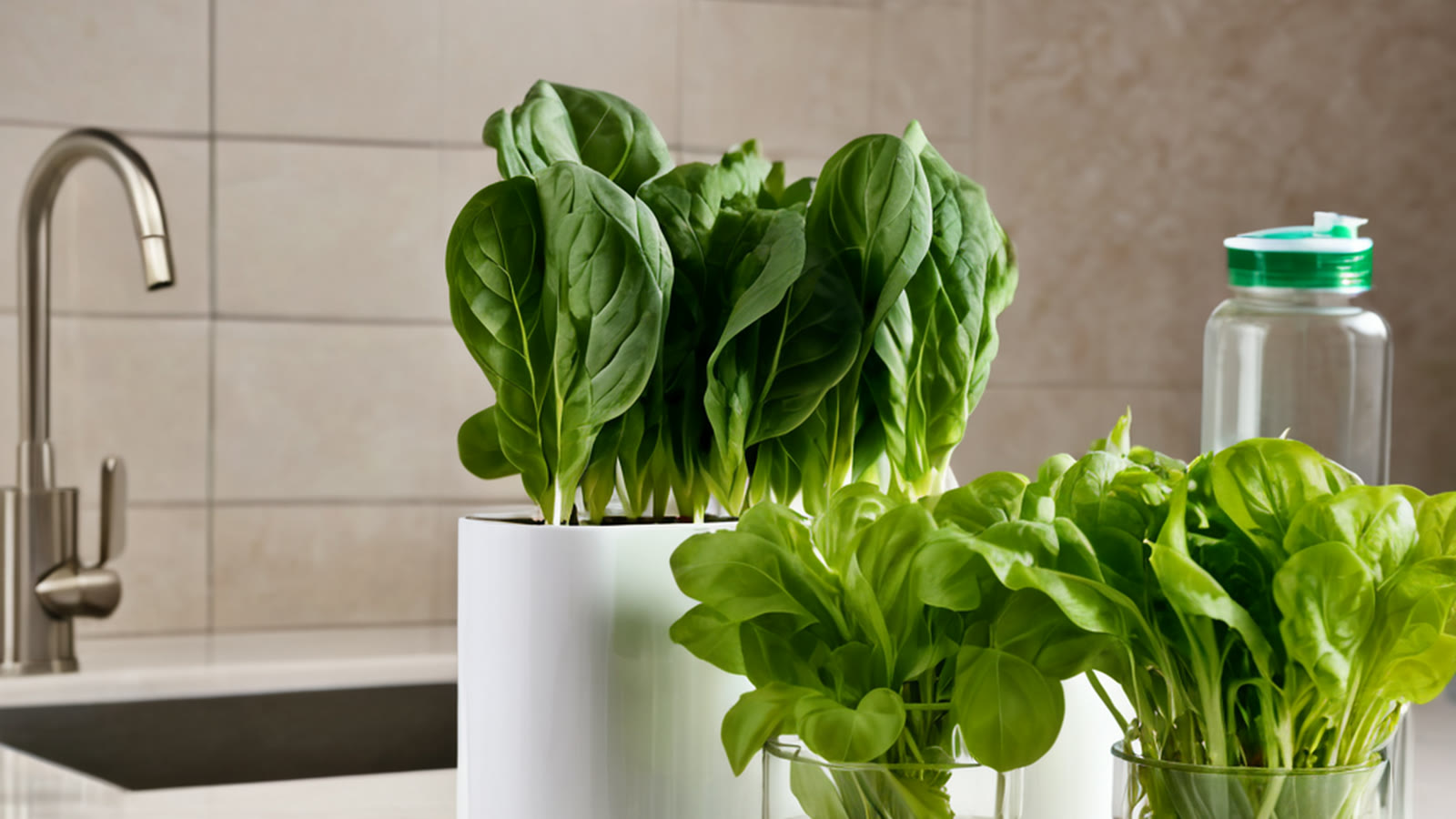
Growing plants hydroponically in the UAE’s extreme heat — whether in a Dubai villa, Abu Dhabi apartment, Sharjah greenhouse, or Ras Al Khaimah farm — demands the right nutrients. Without soil to buffer deficiencies, every element must come from your nutrient solution. Get it right, and you’ll grow faster, fuller, and more productively than any soil garden in the region.
Why Hydroponic Nutrients Matter More in the UAE
The UAE’s harsh climate — temperatures regularly exceeding 45°C in summer — accelerates plant metabolism and water evaporation. In hot climates like Dubai, Texas, Arizona, and South Africa’s Karoo region, nutrient uptake increases dramatically during growing periods. This means your plants consume nutrients faster than in cooler climates, requiring closer monitoring and more frequent top-ups. The good news: hydroponics in hot climates like the UAE, Houston Texas, and Phoenix Arizona consistently outperforms soil growing because you control every variable.
The 3 Essential Nutrient Categories
Every hydroponic nutrient solution in UAE must contain three groups. Macronutrients — Nitrogen (N), Phosphorus (P), and Potassium (K) — form the backbone of all plant growth. Nitrogen drives leafy growth, making it critical for herbs and lettuce popular in Dubai homes. Phosphorus fuels root development and flowering, essential for tomatoes and peppers grown in Abu Dhabi villas. Potassium improves fruit quality and disease resistance, vital for outdoor setups in Sharjah and Ajman.
Secondary nutrients — Calcium, Magnesium, and Sulfur — prevent the most common deficiencies seen in UAE gardens. Calcium deficiency causes blossom end rot in tomatoes; magnesium deficiency produces the yellow leaves between green veins that beginner growers in Fujairah and Ras Al Khaimah often mistake for overwatering.
Micronutrients — Iron, Manganese, Zinc, Copper, Boron, and Molybdenum — are needed in tiny amounts but cause catastrophic failures when absent. A complete hydroponic nutrient solution covers all three categories automatically.
Top Nutrient Formulas for UAE Growing Conditions
NPK 20-20-20 All Purpose — The most popular choice for beginners in Dubai and Abu Dhabi. Balanced nitrogen, phosphorus, and potassium in a water-soluble formula that works with any system from DWC to NFT to Kratky. Ideal for leafy greens, herbs, and general vegetable growing. Price in UAE: AED 35–55 for 450g.
NPK 12-12-17 with SOP (Sulfate of Potash) — Preferred by experienced UAE growers for fruiting crops. The higher potassium content boosts tomato, pepper, and cucumber quality. The sulfate form prevents chloride buildup — critical in UAE where water already contains elevated mineral levels. Available in 1kg bags at AED 45–70.
Calcium-Magnesium Supplement — Essential in UAE hydroponics. Reverse osmosis water used in most Dubai and Abu Dhabi homes strips all minerals, including calcium and magnesium. Adding a CalMag supplement prevents the most common deficiencies seen in UAE grows. Use at 1–2ml per liter alongside your base nutrients.
Feeding Schedule for UAE Climate
During UAE summer (May–September), plants in Dubai, Sharjah, and Abu Dhabi need feeding every 2–3 days as water evaporates rapidly. Maintain EC (Electrical Conductivity) between 1.8–2.4 mS/cm for most vegetables. pH should stay between 5.8–6.3 for maximum nutrient absorption — the most critical parameter for successful UAE hydroponics.
In winter (November–February), UAE temperatures drop to comfortable growing ranges. Reduce feeding frequency to every 4–5 days and lower EC to 1.5–2.0 to avoid salt buildup. This is the best growing season in the UAE, comparable to spring growing conditions in Texas, South Africa’s Cape Town, and coastal California.
Common Nutrient Problems in UAE Hydroponics
Yellow lower leaves usually indicate nitrogen deficiency — increase your base nutrient dose by 20%. Purple leaf edges signal phosphorus issues, common in UAE winter when temperatures drop below 18°C and phosphorus uptake slows. Brown leaf tips point to nutrient burn from EC that’s too high — dilute your solution and flush roots with clean water.
Water Quality in UAE: The Hidden Nutrient Factor
UAE tap water contains high levels of calcium, magnesium, and chlorides — sometimes measuring EC 0.8–1.2 before you add any nutrients. Always start with reverse osmosis or low-TDS packaged water (available from UAE Hydroponics) for best results. This practice is identical to what professional growers in Dubai indoor farms, Texas commercial greenhouses, and Arizona vertical farms use.
Shop Hydroponic Nutrients — UAE Delivery
UAE Hydroponics stocks professional-grade nutrients with fast delivery to Dubai, Abu Dhabi, Sharjah, Ajman, Ras Al Khaimah, Fujairah, and Umm Al Quwain:
- NPK 20-20-20 All Purpose Fertilizer 450g — AED 35, perfect starter nutrient for all systems
- NPK 12-12-17 Professional Fertilizer 1kg — AED 55, ideal for fruiting crops in UAE villas
- Low-TDS Packaged Water UAE 5L & 20L — pure base water for precision growing
Browse the full nutrient range at UAE Hydroponics Shop — expert advice included with every order.
🌿 More UAE Hydroponics Guides
- → Why Choose Professional Seeds Over None Prof. Seeds?
- → Hydroponics vs Soil Gardening UAE 2026: Which is Better for Dubai & Abu Dhabi?
- → Buy Hydroponic Nutrients Online UAE — Best Prices, Fast Delivery 2025
- → Complete Hydroponic Nutrient Recipe for UAE — DIY Formulas for All Crops 2025
Shop all supplies at UAE Hydroponics Store — Fast delivery to Dubai, Abu Dhabi, Sharjah, Ajman, RAK & Fujairah.