


Hydroponics Blog
Water-Saving Hydroponics in UAE: Reduce Water Usage by 95% in Your Dubai Farm

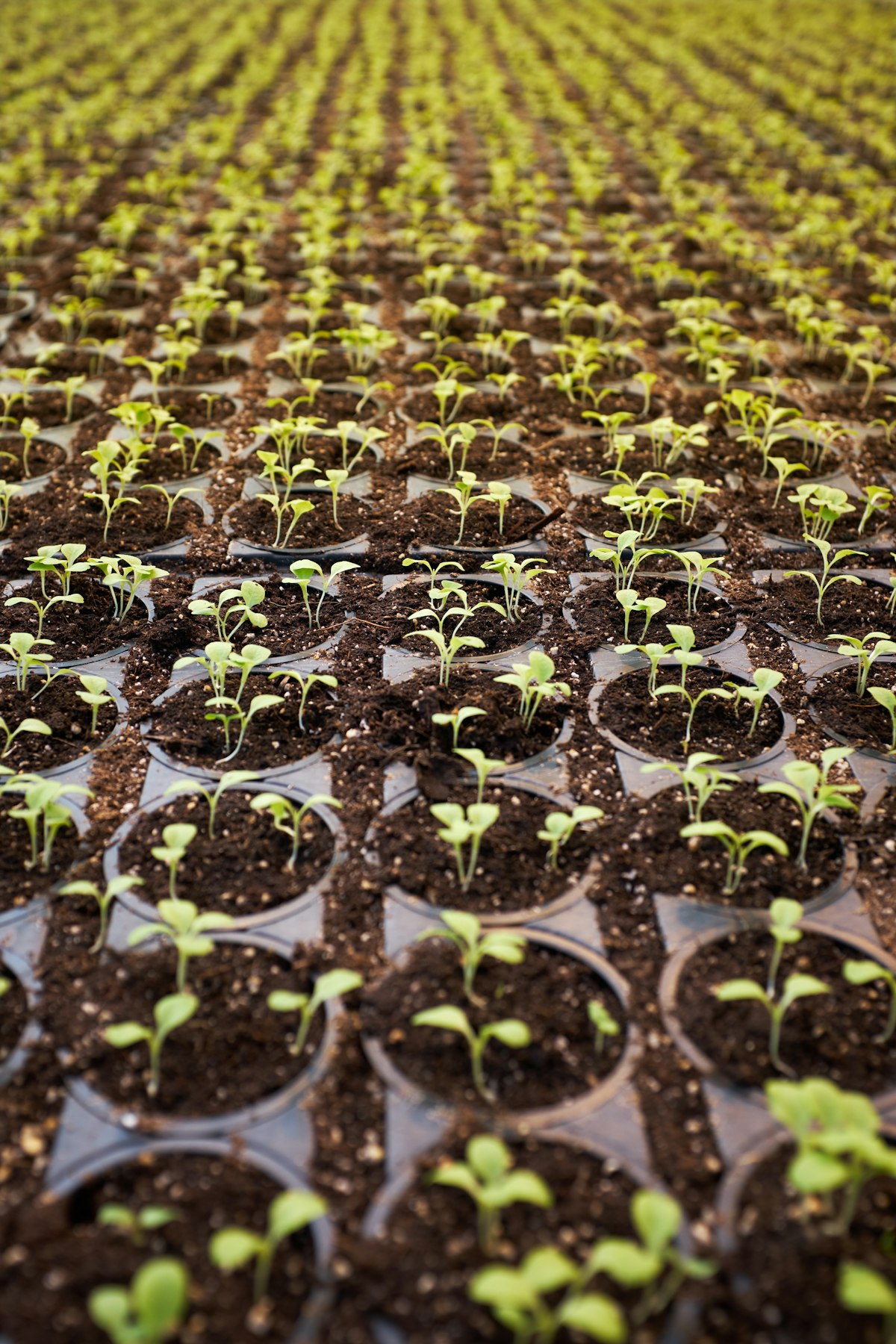
Water-Saving Hydroponics in UAE: How to Grow More With 95% Less Water
The Water Crisis That’s Actually Your Opportunity
Fatima runs a small lettuce farm on the outskirts of Dubai. When she switched from traditional soil farming to hydroponics, something unexpected happened—she didn’t just grow more lettuce. She also used 95% less water.
Her traditional farm used 3,500 liters of water per season for a small plot. Her new hydroponic system? Just 350 liters for triple the yield.
That’s not just a business improvement. In a region where water is becoming more precious every year, it’s a fundamental shift in how agriculture works.
The UAE receives less than 100mm of rainfall annually. Our groundwater is being depleted. And traditional soil farming? It wastes water at an almost criminal scale—80% lost to evaporation and runoff before it ever feeds a plant.
But hydroponics changes that completely. Instead of flooding soil and hoping plants absorb the water, hydroponics delivers water directly to roots through a closed system. Water that evaporates gets captured and recycled. Water that drains gets put back into the system. Almost nothing is wasted.
This isn’t just environmental responsibility—it’s practical economics. In 2025, as water becomes more regulated and expensive, farmers using traditional methods will struggle. Farmers using hydroponics will thrive.
Why Water Waste Happens in Traditional Farming
Traditional soil farming loses water at almost every step. Here’s where it goes:
First, evaporation from the soil surface—water simply turns to vapor and leaves the system. In UAE’s heat, this can be 40-50% of the water you apply.
Second, the soil can’t hold water efficiently. You apply water, hoping the roots absorb it before it drains away or evaporates. But soil is messy. Water moves through it unevenly. Some areas stay wet while others dry out.
Third, deep percolation and runoff. When you water a field, water that doesn’t get absorbed by roots just drains downward into the water table or flows away as surface runoff. In the UAE’s intense heat, this can be 30-40% of applied water.
Fourth, inefficient irrigation timing. Traditional farmers water on a schedule—say, every three days. But plants don’t need the same amount of water on day one and day three. The roots might need water on day two but not need it again until day four. Traditional irrigation can’t adjust to this. So some days plants are overwatered, other days underwatered.
Result? To grow one kilogram of lettuce in traditional soil farming, you need 2,000+ liters of water.
How Hydroponics Uses 95% Less Water
Hydroponics works differently because water isn’t lost—it’s managed.
In a hydroponic system, water is held in a reservoir and delivered directly to plant roots through drip lines or NFT channels. Plants absorb what they need. Water that doesn’t get absorbed drains back into the reservoir. That water is used again.
There’s no evaporation from soil because there is no soil. Water in your closed system doesn’t evaporate—it circulates. If any evaporation does happen (from leaf transpiration, for example), that water is captured and recycled back.
You can adjust watering precisely. Different growth stages need different water amounts. Seedlings need less than mature plants. Hydroponics lets you dial in exactly the right amount for each stage.
The result? To grow one kilogram of lettuce hydroponically, you need just 300-400 liters of water. That’s a 95% reduction.
Over a growing season, a traditional 100-square-meter farm might use 3.5 million liters of water. A hydroponic farm of the same size? Just 350,000 liters. You can see why this matters in the UAE.
The Economic Case for Water-Saving Hydroponics
Water savings translate directly to cost savings. In 2025, water in the UAE isn’t getting cheaper. As regulations tighten and demand increases, water costs are climbing.
A traditional farm spending 10,000 AED per season on water could reduce that to just 1,000 AED with hydroponics. That’s 9,000 AED saved per season.
But the benefits go beyond water costs. When you use less water, you need less irrigation infrastructure. Fewer pipes, smaller pumps, less maintenance. You also need less fertilizer because nutrient-rich water in a closed system cycles through roots more efficiently.
Plus, there’s the sustainability angle. In the UAE, where environmental responsibility is increasingly important, farms using efficient water management get preferential pricing from retailers and restaurants. Some local chains explicitly market “water-efficient local produce” at premium prices.
Building Your Water-Efficient Hydroponic System
The most water-efficient hydroponic systems are closed-loop systems. Water enters the system, circulates to the plants, is used, and returns to the reservoir. Nothing is wasted.
Start with the right reservoir size. A 100-liter reservoir for a small home system works fine. For a commercial operation, think in terms of 1,000+ liters. The key is having enough water capacity that your system doesn’t dry out between water cycles.
Use drip irrigation or NFT (nutrient film technique) channels. Both deliver water directly to roots. Avoid overhead irrigation or flood-and-drain systems if water conservation is your priority—they lose water to evaporation.
Install a water recirculation pump. This moves water from the reservoir to the plants and back. A simple submersible pump (200-500 AED) does the job. It runs on electricity, not much water.
Add monitoring. A simple float valve tells you when water levels drop. Some growers add EC meters to track nutrient concentration—if water is being used faster than nutrients, you need to adjust. Basic monitoring equipment is inexpensive (100-200 AED) but prevents waste.
Consider a reservoir cover. This reduces evaporation from the water surface itself. A simple plastic cover or shade cloth over your reservoir can cut surface evaporation by 80%.
Practical Water Management Tips
Change water every 6-8 weeks. Even in closed systems, mineral accumulation happens. Plants absorb water but leave some minerals behind. Every 6-8 weeks, drain the system, flush it, and refill with fresh water.
Reuse your drainage water. Any water that drains from your system (if you’re not doing a fully closed system) can be used to water ornamental plants or outdoor gardens. Don’t let it go to waste.
Monitor in dry seasons. During peak summer (June-August), evaporation increases even in sealed systems. You might need to top up water more frequently. But you’re still using a fraction of what traditional farming uses.
Use mulch if growing in media. If you’re using growing media (rockwool, coco coir), a light mulch on top reduces evaporation from the media surface.
The Future-Proof Approach
Water regulations in the UAE are tightening. Some developments now have water restrictions. Some communities charge premium rates for agricultural water usage. As this continues, hydroponics won’t just be an advantage—it’ll be a requirement for farms to survive.
Farmers who invest in water-efficient hydroponics today are positioning themselves for 2030, 2035, and beyond. When traditional soil farmers are struggling with water costs and restrictions, hydroponic growers will be thriving.
The investment is modest—a basic home hydroponic system costs 2,000-5,000 AED. A commercial operation might run 50,000-200,000 AED. Compare that to the water savings alone, and the payback period is 1-2 seasons.
Start small if you’re new to hydroponics. A simple 4-plant lettuce system teaches you the fundamentals and saves water immediately. Once you’re comfortable, scale up.
Your farm’s future isn’t about growing more water-intensive crops. It’s about growing smart with less. And in the UAE in 2025, that’s not just smart economics—it’s survival.