

Hydroponics Blog
DIY Home Hydroponic System UAE: Budget-Friendly Setups for Apartments & Villas 2025

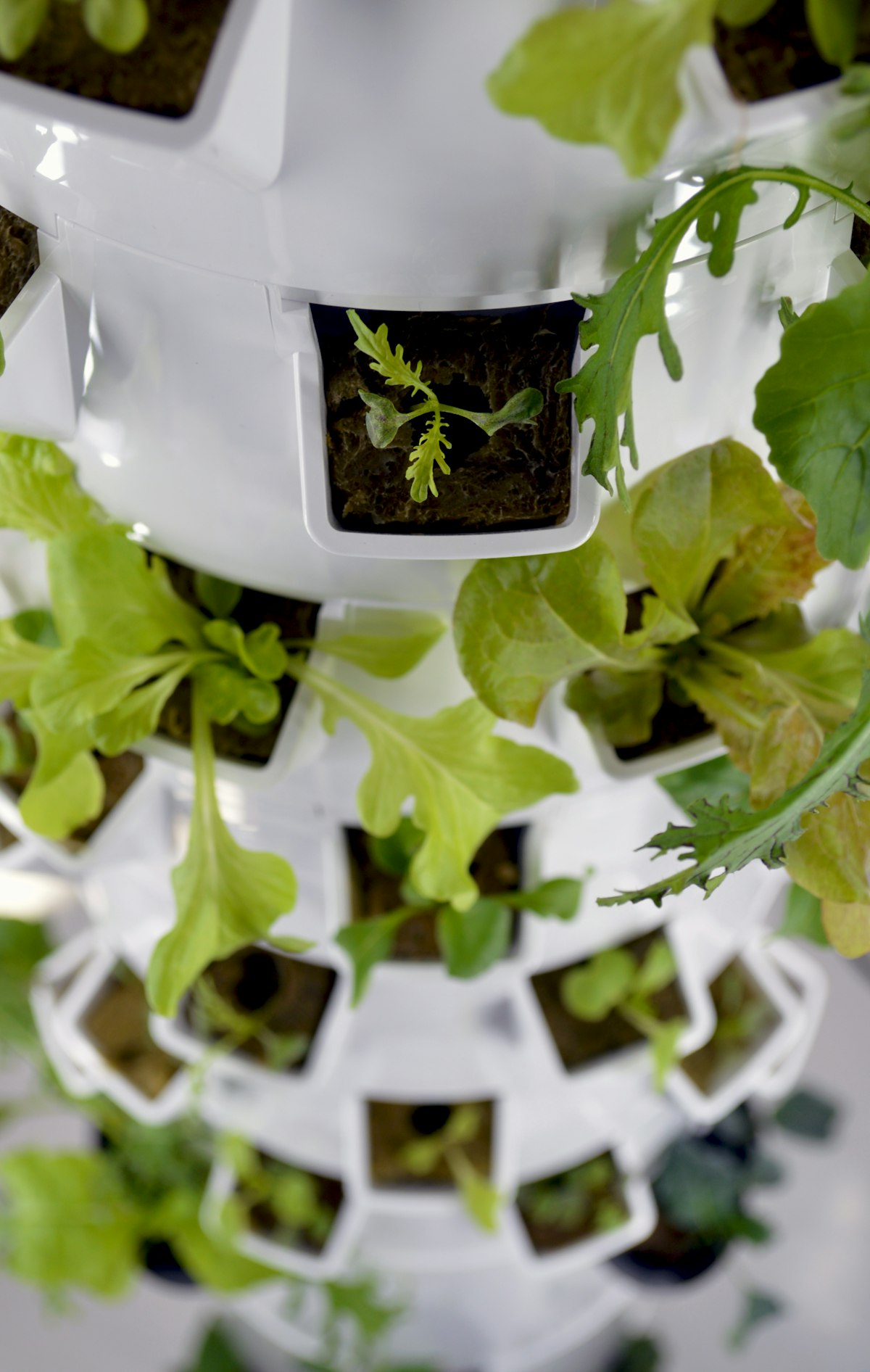
DIY Home Hydroponic System: Build Your Own for Under 3,000 AED
Growing Fresh Vegetables on Your Dubai Balcony (Seriously)
Layla lives in a small apartment in Dubai Marina. No yard. No garden. Just a balcony and a window.
Two years ago, she built a hydroponic system in a corner of that balcony for 2,500 AED. Today, she grows enough lettuce, herbs, and tomatoes to supply her family and give away to neighbors. She’s saved thousands on grocery bills.
More importantly, she grows exactly what she wants, exactly when she wants it, with no pesticides and complete freshness.
You don’t need land to grow hydroponically in the UAE. You don’t need experience. You don’t need much money. You just need the willingness to try something different.
Why Home Hydroponics Makes Sense for UAE Residents
Space efficiency: A 1×1 meter hydroponic system produces as much as a 10+ square meter traditional garden. Apartment dwellers can grow real food.
Water conservation: Uses 90% less water than soil gardening. Critical when water is increasingly precious.
Year-round growing: Control temperature and light, grow year-round. No waiting for seasons.
Pest control: Growing indoors means no insects, no diseases. Crops are cleaner and safer.
Cost savings: Premium lettuce costs 8-10 AED per head in supermarkets. Growing it costs under 50 fils. A single harvest pays for your entire system.
Freshness: Harvest when you’re ready to eat. Nothing beats picking lettuce at 6pm and eating it at 7pm.
The Three Easiest Systems for Beginners
Kratky Method (Cheapest Option): Plants float on a board suspended over a nutrient solution. No electricity needed. Water changes every 4-6 weeks. Cost: 600-1,000 AED for a 4-plant system. Best for lettuce and herbs. Warning: Limited to 4-6 weeks of growing (one cycle), then you change water and start over.
DWC (Deep Water Culture) (Best for Beginners): Plants sit in net pots over a reservoir of nutrient solution. An air pump aerates the water. Cost: 1,500-2,500 AED for a 6-plant system. Grows lettuce, herbs, basil. Can run continuously for 3+ months.
NFT (Nutrient Film Technique) (Best for Scale): Water flows in a thin film across a tilted channel, roots absorb nutrients. Cost: 2,000-3,500 AED for a 12-plant system. More plants, slightly more complexity. Most flexible for crop rotation.
For most home growers starting out, DWC is the sweet spot.** Easy to manage, good for learning, produces excellent results.
Building a Simple DWC System Step-by-Step
What you need:
– 1x opaque plastic tub (50-100 liters): 100 AED
– 6x net pots (6-10cm diameter): 50 AED
– Growing media (rockwool or hydroton): 100 AED
– Air pump + air stone: 200 AED
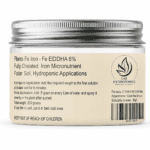
– Nutrients (hydroponic formula): 150 AED
– pH meter: 150 AED
– EC meter: 100 AED
– Tubing and fittings: 50 AED
– Seedlings or seeds: 100 AED
– Misc supplies: 100 AED
Total: 1,100-1,500 AED for everything.
Assembly (30 minutes): Drill holes in the top of your tub for net pots. Mount the air pump outside the tub. Run tubing from pump to an air stone in the bottom of the tub. Fill with water. Add nutrients according to instructions. Test pH (should be 5.5-6.5). Add seedlings.
That’s it. You’re growing.
The First 30 Days: What to Expect
Days 1-7: Seedlings root in and start adjusting. Minimal growth. Check pH and EC daily (these can drift as roots absorb nutrients). Top up water if level drops (it will, from evaporation and root absorption).
Days 8-21: Rapid growth. Leaves expand, stems strengthen. You’ll see real progress. This is when you realize it’s actually working.
Days 22-35: Harvest time for leafy greens. Lettuce is typically ready 28-35 days from planting. You can harvest outer leaves continuously or wait for full heads.
Herbs take 3-4 weeks. Tomatoes take 60+ days but produce for months.
Common Beginner Mistakes (And How to Avoid Them)
Mistake 1: Not testing pH or EC. Your nutrients dissolve to a specific concentration. If you don’t measure, you’re guessing. Buy cheap meters (150-200 AED) and use them daily for the first month. Once you understand the patterns, you can check less frequently.
Mistake 2: Overcrowding plants. In a 1×1 meter system, don’t put more than 6-8 plants. They need space for air circulation and light penetration.
Mistake 3: Poor light. Most apartments don’t have enough natural light. If your windowsill gets less than 4 hours of direct sun, add LED grow lights (1,000-2,000 AED). Worth it for non-stop production year-round.
Mistake 4: Inconsistent water levels. Check water daily. Top up if it drops. Inconsistent water stresses plants.
Mistake 5: Wrong nutrient formula. Use hydroponic nutrients, not regular fertilizer. Regular fertilizer isn’t formulated for soilless systems. Cost difference is minimal.
Scaling Up (When You’re Ready)
After your first successful harvest, you might want more. Here’s how to expand without breaking the bank:
Add more tubs. Each additional DWC tub costs 1,000-1,500 AED. You could have 2-3 tubs producing different crops simultaneously.
Switch to NFT. If you want higher density (more plants in less space), build an NFT system. Slightly more complex but very effective. Cost: 2,000-3,500 AED.
Add supplemental lighting. LED grow lights cost 800-2,000 AED but guarantee year-round production even in winter months.
Move to a bigger space. If you love it, use a balcony, a corner of a villa garden, or rent a small greenhouse space. Costs 500-1,500 AED per month.
The Hidden Benefit: Your Own Supply Chain
Many home growers eventually start selling surplus. Not as a business initially, but as “I grew too much, want some?”
Neighbors will pay 3-5 AED for homegrown lettuce (compared to 10+ in stores). You sell 10-20 heads monthly, make 500+ AED, basically get your system for free.
Some eventually formalize this into a proper side income. But that’s optional. Most just enjoy growing for themselves and their family.
Your First System Is a Learning Investment
Think of your first 2,000-3,000 AED not as a cost, but as an education. You learn how plants actually grow. You learn what diseases look like (usually nothing—clean systems have no diseases). You learn the rhythms of growth and harvest.
After one complete harvest cycle (4-6 weeks), you’ll understand hydroponics better than people who’ve read about it for months. That knowledge is valuable.
Layla’s advice: “Start small. Don’t overthink it. The system works better than I expected, and it’s way easier than I thought it would be.”
You have everything you need to grow fresh food in your home. The only thing stopping you is trying.