
Hydroponics Blog
Microgreens Business UAE: What to Grow for Cafes and Restaurants

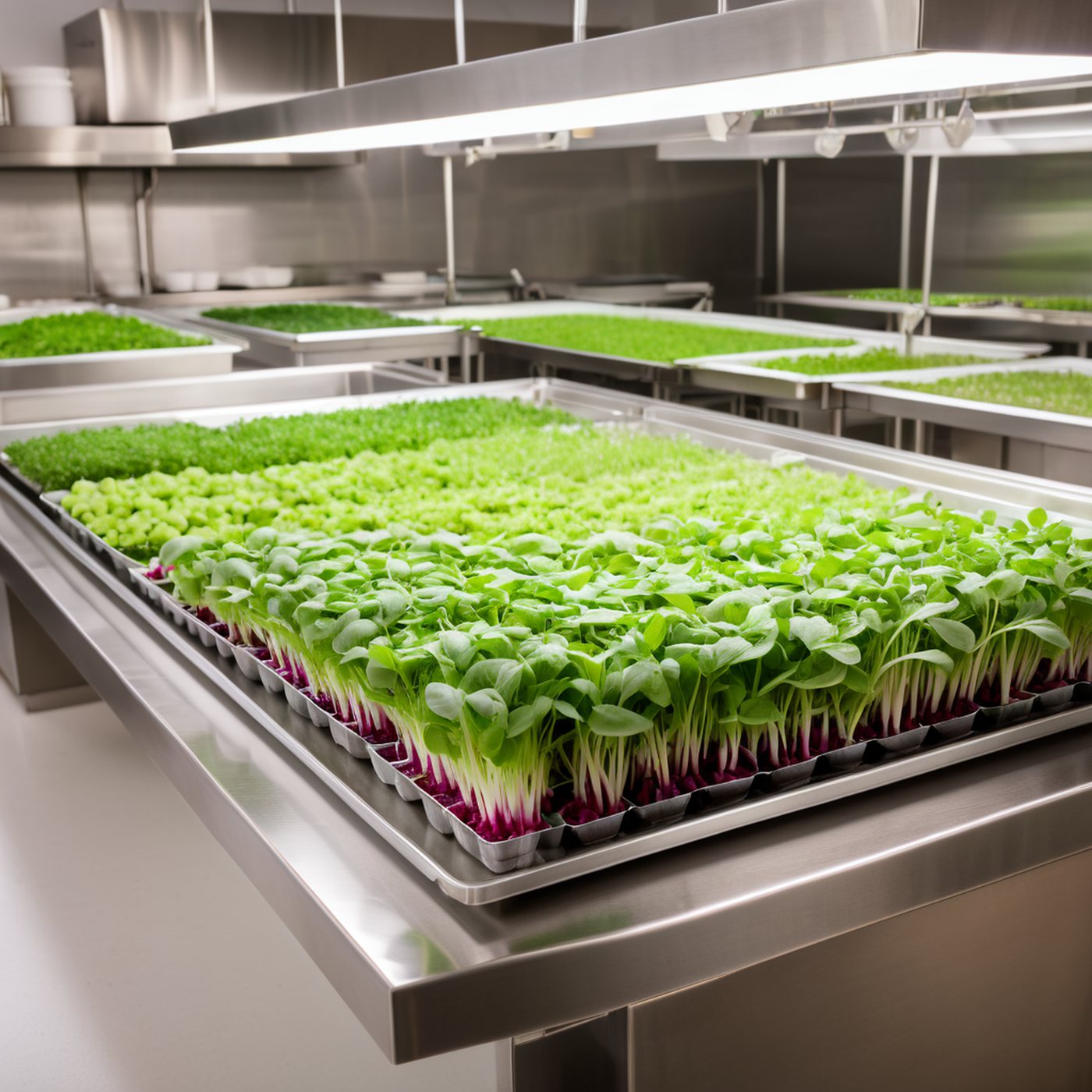
A microgreens business UAE restaurants can rely on is one of the simplest ways to enter commercial hydroponics without building a large farm. Microgreens are fast, visually attractive and useful for cafes, hotels, meal prep companies, juice bars and fine dining kitchens. Unlike lettuce or tomatoes, microgreens can be grown in shallow trays, harvested quickly and sold in small premium batches. The business opportunity is real, but only if the grower treats it as food production, not a hobby.
For UAE growers, the best results come from treating hydroponics as a controlled growing system rather than a simple container of water. The crop, water source, light level, nutrients, air movement and maintenance routine all work together. When these basics are set correctly, hydroponic systems can produce clean, fresh food with less water, less mess and more predictable harvests than traditional soil growing in harsh desert conditions.
Why microgreens fit the UAE market
Dubai and Abu Dhabi have a strong restaurant culture and steady demand for fresh garnish, salad boosters and specialty ingredients. Imported microgreens can lose freshness quickly. Local hydroponic microgreens give chefs better shelf life, better appearance and more predictable delivery. This is where UAE growers can compete: not by being the cheapest, but by being fresher, cleaner and easier to communicate with.
Best crops to start with
Start with crops that germinate reliably and have restaurant value. Radish microgreens are colourful and spicy. Sunflower shoots are crunchy and popular in salads. Pea shoots are sweet and familiar. Broccoli microgreens are strong for health-focused customers. Basil, coriander and mustard microgreens can work, but they need more careful timing. Do not begin with too many varieties. A small menu of five reliable crops is better than fifteen inconsistent ones.
Tray setup and growing workflow
A basic microgreens setup needs food-safe trays, growing mats or coco media, clean water, LED grow lights, a rack, a fan for airflow and a simple cleaning station. Seeds are soaked if needed, spread evenly, kept in blackout for early germination, then moved under lights. Most crops are ready in 7 to 14 days. The whole business depends on scheduling. If restaurants need delivery every Monday and Thursday, your seeding calendar must work backward from those dates.
Food safety and hygiene
Microgreens are eaten fresh, often raw, so hygiene matters. Use clean trays, seed intended for sprouting or microgreens, potable water and a strict sanitation routine. Do not reuse dirty media. Keep pets and outdoor dust away from the grow area. Wash hands, clean scissors, label batches and record dates. For commercial buyers in the UAE, consistency and cleanliness can matter more than a slightly lower price.
Commercial supply and local requirements
If you plan to sell microgreens to restaurants, cafes, hotels or the public, check the food business, trade licence, hygiene, labelling, storage and delivery requirements that apply in your emirate before selling. Dubai Municipality and other local authorities take food safety seriously, and requirements may differ depending on whether you sell living trays, harvested produce, packed produce or prepared food. Treat this as a commercial food operation from day one.
Recommended supplies
For most UAE hydroponic setups, the useful shopping list includes a reliable system, hydroponic nutrients, pH up and pH down, an EC meter, a pH meter, clean growing media, net pots or trays, a suitable pump, LED grow lights when growing indoors, and spare parts for maintenance. UAE Hydroponics can help match these supplies to the crop, available space and budget.
Planning checklist before you buy
Before buying equipment, define the crop, growing location, water source, expected harvest size and maintenance routine. A Dubai apartment grower needs a different setup from a greenhouse owner or restaurant supplier. The best hydroponic system is not always the biggest one; it is the system that keeps roots healthy, nutrients stable and harvests predictable. If the goal is reliable food production, spend first on measurement, cooling, lighting and clean irrigation before adding unnecessary accessories.
If you are choosing supplies, focus on the problems that usually cause crop failure: weak light, warm nutrient water, poor oxygen, unstable pH, high EC, pests, leaks and difficult cleaning. A simple system that is easy to test and maintain will outperform a complicated system that is ignored after the first week.
Related hydroponics guides
Continue with Hydroponics UAE Beginner Guide, Hydroponic Nutrients UAE, Water Quality for Hydroponics UAE, and LED Grow Lights UAE.
FAQ
Can microgreens be commercially viable in the UAE?
They can be commercially viable when sold to repeat restaurant buyers with tight production scheduling, hygiene control and low waste.
What microgreens should beginners grow?
Radish, sunflower, pea shoots and broccoli are strong starter crops.
Do microgreens need hydroponic nutrients?
Most microgreens use seed energy for early growth, but clean water, light and hygiene are critical.