
Hydroponics Blog
Hydroponic Fodder UAE Cost Guide: Barley, Trays, Water and ROI

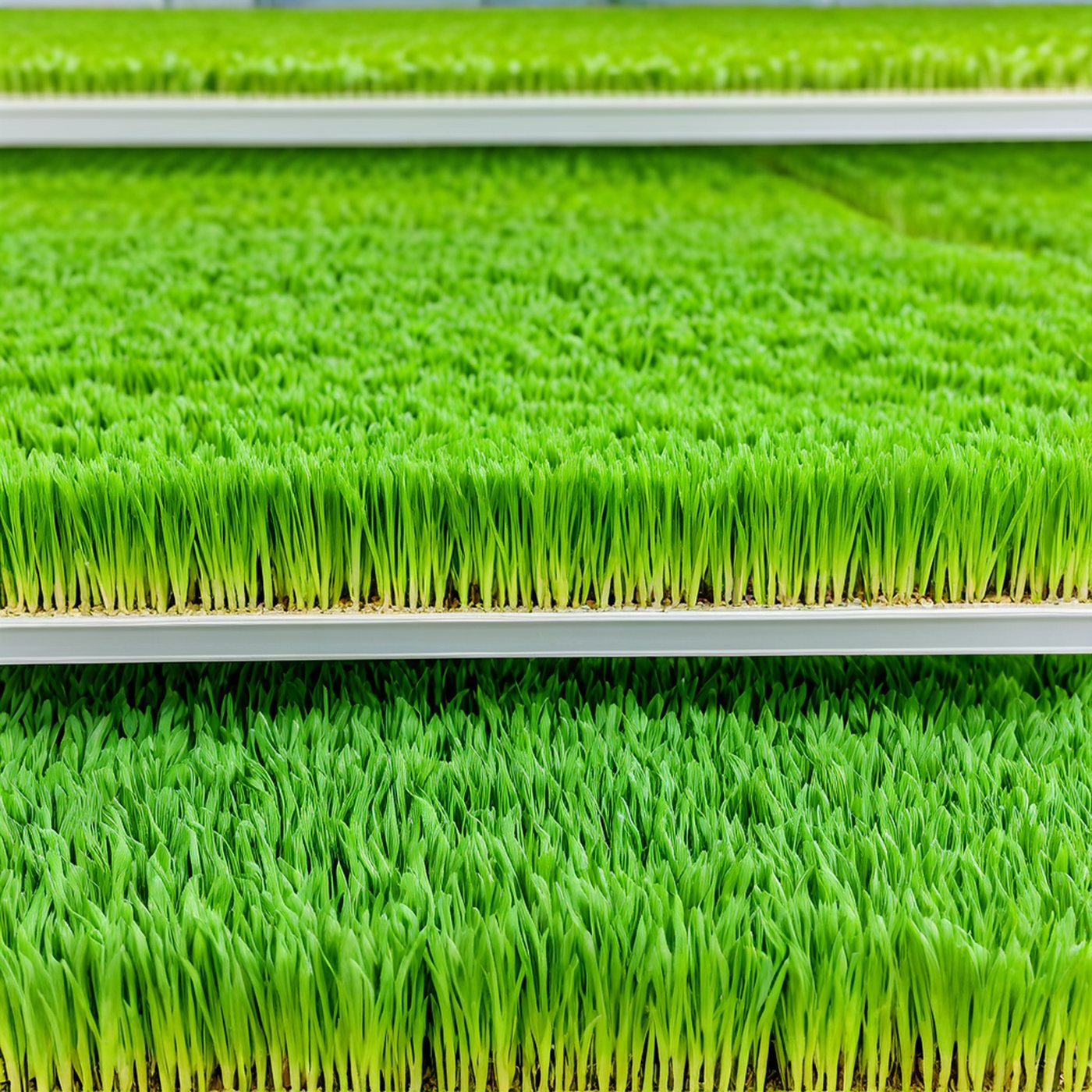
Hydroponic fodder UAE cost questions are common among livestock owners because feed prices, water scarcity and import dependence all matter in the Emirates. Hydroponic fodder systems turn grains such as barley into fresh green feed in about a week. The idea is simple: soak seed, spread it in trays, mist it and harvest the full mat of shoots and roots. The business decision is more complex. Growers must calculate seed cost, water, labour, equipment and animal performance.
For UAE growers, the best results come from treating hydroponics as a controlled growing system rather than a simple container of water. The crop, water source, light level, nutrients, air movement and maintenance routine all work together. When these basics are set correctly, hydroponic systems can produce clean, fresh food with less water, less mess and more predictable harvests than traditional soil growing in harsh desert conditions.
What costs go into hydroponic fodder
The main costs are barley or other grain seed, trays, racks, water, cleaning, labour, electricity and the growing room. A small manual system is cheaper to start but needs more daily work. A larger automated rack costs more upfront but saves labour and improves consistency. UAE farms should also plan for cooling or climate control because hot, humid fodder rooms can create mold risk.
Barley conversion and realistic yield
Many fodder systems aim to convert 1 kilogram of seed into several kilograms of fresh fodder. The exact number depends on seed quality, soak time, tray density, temperature, humidity and hygiene. Fresh weight is not the same as dry matter, so livestock nutrition should be planned carefully. Hydroponic fodder can be a useful supplement, but it should not be evaluated only by fresh weight.
Water use and UAE conditions
Hydroponic fodder uses far less water than field-grown forage because water is delivered directly to trays and can be controlled. This matters in the UAE, where conventional forage production is water-intensive. However, water savings do not remove the need for sanitation. Trays must drain properly, and standing water should not become a bacteria source.
Rack sizing and daily harvest
A fodder system works best as a rotation. If fodder takes seven days to grow, the farm needs seven stages of trays so one batch can be harvested daily. Calculate animal demand first, then size the rack. Do not buy a system based only on impressive photos. Work backward from kilograms needed per day, available space, labour and cleaning capacity.
ROI and when it makes sense
Hydroponic fodder makes the most sense when imported feed is expensive, fresh forage is limited or water savings are a priority. ROI depends on local seed cost, animal type, labour and how the fodder affects milk, meat or animal condition, so no article can promise a fixed return. It may not make sense if seed is expensive, hygiene is poor or the farm expects fodder to replace a complete ration. The strongest approach is to test a small system, measure results and scale only after the numbers are clear. For livestock feeding, farms should also follow applicable feed rules and use veterinary or animal-nutrition guidance when changing rations.
Recommended supplies
For most UAE hydroponic setups, the useful shopping list includes a reliable system, hydroponic nutrients, pH up and pH down, an EC meter, a pH meter, clean growing media, net pots or trays, a suitable pump, LED grow lights when growing indoors, and spare parts for maintenance. UAE Hydroponics can help match these supplies to the crop, available space and budget.
Planning checklist before you buy
Before buying equipment, define the crop, growing location, water source, expected harvest size and maintenance routine. A Dubai apartment grower needs a different setup from a greenhouse owner or restaurant supplier. The best hydroponic system is not always the biggest one; it is the system that keeps roots healthy, nutrients stable and harvests predictable. If the goal is reliable food production, spend first on measurement, cooling, lighting and clean irrigation before adding unnecessary accessories.
If you are choosing supplies, focus on the problems that usually cause crop failure: weak light, warm nutrient water, poor oxygen, unstable pH, high EC, pests, leaks and difficult cleaning. A simple system that is easy to test and maintain will outperform a complicated system that is ignored after the first week.
Related hydroponics guides
Continue with Hydroponics UAE Beginner Guide, Hydroponic Nutrients UAE, Water Quality for Hydroponics UAE, and LED Grow Lights UAE.
FAQ
Is hydroponic fodder profitable in UAE?
It can be, but profitability depends on seed cost, labour, system size and livestock response.
What seed is best for fodder?
Barley is the most common because it germinates well and produces a good fodder mat.
Does hydroponic fodder replace all feed?
Usually no. It is best treated as a fresh feed supplement within a balanced ration.