
Hydroponics Blog
Hydroponic Chiller UAE: Keeping Nutrient Water Cool in Summer

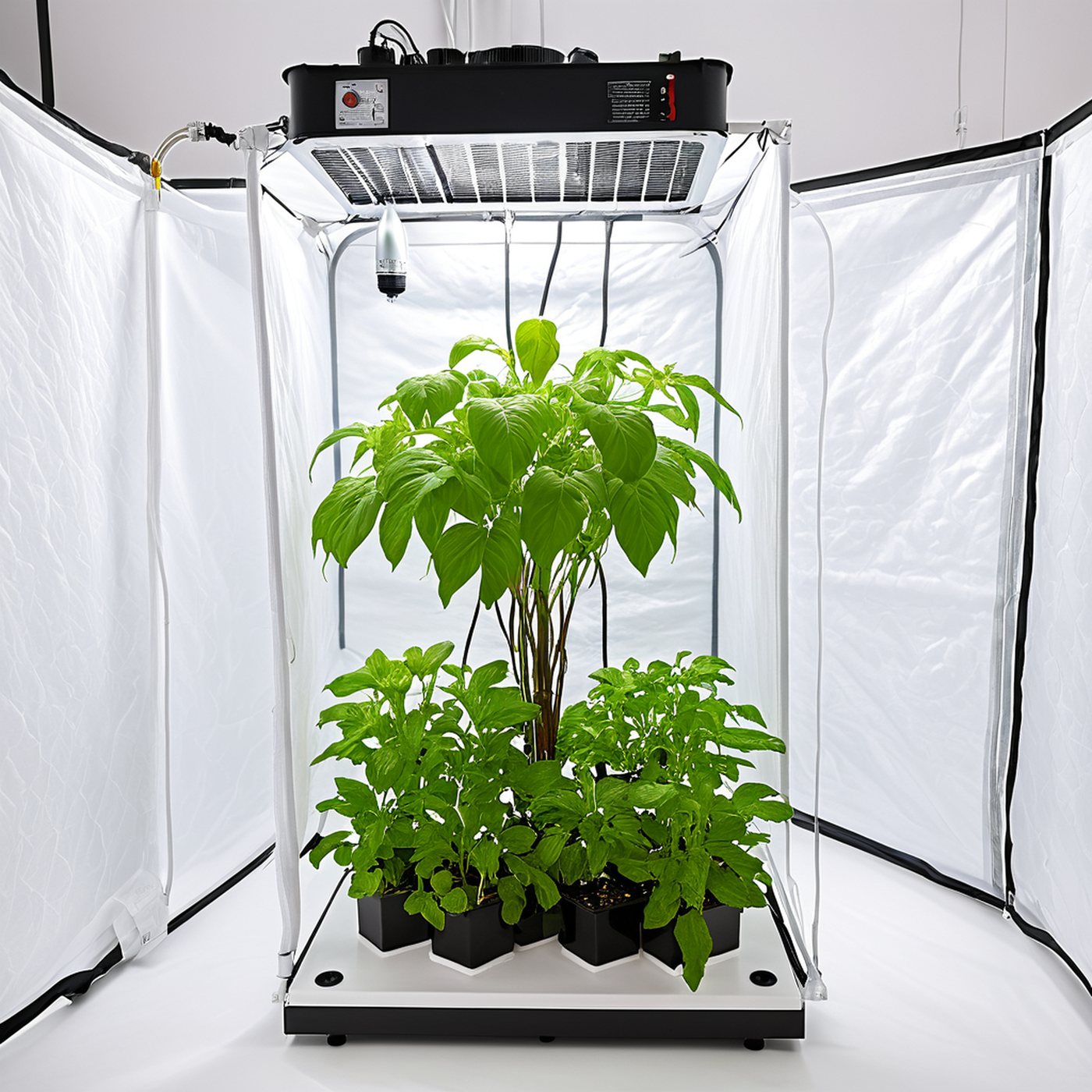
A hydroponic chiller UAE growers can rely on becomes important when summer heat pushes nutrient solution above the safe range. Hot water holds less oxygen, encourages root disease and makes plants struggle even when nutrients and lighting are correct. In Dubai and Abu Dhabi, summer hydroponics is mostly a root-zone temperature problem. If the roots are too hot, the whole plant suffers.
For UAE growers, the best results come from treating hydroponics as a controlled growing system rather than a simple container of water. The crop, water source, light level, nutrients, air movement and maintenance routine all work together. When these basics are set correctly, hydroponic systems can produce clean, fresh food with less water, less mess and more predictable harvests than traditional soil growing in harsh desert conditions.
Why nutrient temperature matters
Roots need oxygen as much as they need water and nutrients. When nutrient solution gets warm, dissolved oxygen drops. This creates the perfect environment for root rot, slime and weak uptake. Leafy greens may wilt, basil may become soft, and fruiting crops may stop growing. Keeping the root zone cool is one of the most valuable hydroponic maintenance steps in the UAE.
Ideal temperature range
Many hydroponic crops perform best when nutrient solution stays roughly between 18 and 22 degrees Celsius. Some systems can tolerate slightly warmer water for short periods, but constant heat creates risk. The exact target depends on crop, oxygenation and system design. DWC systems are especially sensitive because roots sit directly in the reservoir. NFT and drip systems also suffer when water and channels heat up.
Do you need a chiller?
A water chiller is not always required for small indoor systems kept in air-conditioned rooms. But it becomes useful for larger reservoirs, grow tents, greenhouses, balconies and commercial systems. A chiller gives stable control instead of emergency fixes. If you repeatedly see brown roots, bad smell, plant collapse or pH swings during summer, cooling should be considered.
Low-cost cooling methods
Before buying a chiller, reduce heat load. Move the reservoir away from direct sun. Use reflective insulation. Keep the tank on a cool floor, not a hot balcony tile. Increase reservoir volume so temperature changes slowly. Use strong aeration in DWC. Frozen bottles can help in emergencies, but they are not a professional long-term solution because temperature swings can stress plants.
Choosing and maintaining a chiller
Match the chiller to reservoir size, room temperature and heat load. Undersized chillers run constantly and fail early. Use clean tubing, pre-filter water if needed and keep airflow around the chiller clear. Monitor temperature with a separate thermometer instead of trusting one reading. In UAE commercial hydroponics, a chiller can protect an entire crop from one hot week, making it a practical insurance item.
Recommended supplies
For most UAE hydroponic setups, the useful shopping list includes a reliable system, hydroponic nutrients, pH up and pH down, an EC meter, a pH meter, clean growing media, net pots or trays, a suitable pump, LED grow lights when growing indoors, and spare parts for maintenance. UAE Hydroponics can help match these supplies to the crop, available space and budget.
Planning checklist before you buy
Before buying equipment, define the crop, growing location, water source, expected harvest size and maintenance routine. A Dubai apartment grower needs a different setup from a greenhouse owner or restaurant supplier. The best hydroponic system is not always the biggest one; it is the system that keeps roots healthy, nutrients stable and harvests predictable. If the goal is reliable food production, spend first on measurement, cooling, lighting and clean irrigation before adding unnecessary accessories.
If you are choosing supplies, focus on the problems that usually cause crop failure: weak light, warm nutrient water, poor oxygen, unstable pH, high EC, pests, leaks and difficult cleaning. A simple system that is easy to test and maintain will outperform a complicated system that is ignored after the first week.
Related hydroponics guides
Continue with Hydroponics UAE Beginner Guide, Hydroponic Nutrients UAE, Water Quality for Hydroponics UAE, and LED Grow Lights UAE.
FAQ
What temperature should hydroponic water be?
Many crops prefer about 18 to 22 degrees Celsius for strong oxygen and root health.
Can frozen bottles replace a chiller?
They can help temporarily, but they are not stable enough for serious systems.
Which systems need chillers most?
DWC, greenhouse reservoirs and balcony systems are most vulnerable to hot nutrient water.