



Beginner’s Guide to NFT Hydroponics: Complete Setup Instructions

NFT (Nutrient Film Technique) hydroponics is one of the most popular methods for growing fresh vegetables, herbs, and leafy greens at home. This beginner-friendly guide will walk you through everything you need to know to set up your first NFT system and start growing within days.
What is NFT Hydroponics?
NFT is a hydroponic technique where a thin film of nutrient-rich water continuously flows over the roots of plants growing in a slightly inclined channel. The water then drains back into a reservoir, creating a closed-loop system that minimizes water waste and maximizes nutrient efficiency.
Key advantages of NFT systems:
- Uses 90% less water than traditional farming
- – No growing medium needed (roots grow directly in air)
- – Highly efficient nutrient delivery
- – Compact design perfect for small spaces
- – Ideal for leafy greens, herbs, and lettuce
## Essential Equipment for Your NFT Setup- Before you begin, gather these components:
1. **Main Channel/Gully** – The inclined pipe where plants sit (PVC or commercial NFT channels)- 2. **Growing Pots** – Net pots (typically 2-3 inches for leafy greens)
- 3. **Nutrient Solution Reservoir** – Food-grade container (20-50 liters)
- 4. **Water Pump** – Submersible pump (500-1000 GPH)
- 5. **Air Pump & Air Stone** – For oxygenation
- 6. **Timer** – Digital timer for pump cycles
- 7. **EC/pH Testing Kit** – For nutrient management
- 8. **Growing Medium** – Rockwool, hydroton, or perlite
## Step-by-Step Setup Guide- ### Step 1: Assemble Your Channel System
- Start with your main NFT channel. It should be inclined at 1:20 ratio (1cm drop per 20cm length). Use PVC piping or purchase a commercial NFT channel. Ensure there are properly-sized holes for your net pots – typically 2-3 inches for standard plants.
### Step 2: Install the Reservoir- Place your nutrient reservoir below the end of the channel. It should be food-grade and opaque to prevent algae growth. Add an air pump with air stone to keep the solution oxygenated.
### Step 3: Set Up the Circulation System- Connect your submersible pump to the top of the channel using food-grade tubing. Install a timer to control nutrient film flow – beginners typically start with 15 minutes on, 10-15 minutes off cycles. Adjust based on your plants’ response.
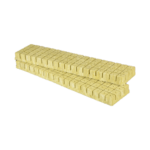
### Step 4: Prepare Growing Media- Soak rockwool cubes in pH 5.5 water for 30 minutes before use. Plant your seeds directly into the cubes and place them in net pots.
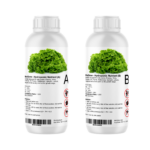
## Nutrient Management for NFT Systems- The nutrient solution is critical to success. Start with a quality hydroponic nutrient designed for vegetative growth (like UAE Hydroponics’ Pro Grower Complete Nutrient Kit).
Recommended parameters:- – **EC Level**: 1.2-1.6 for leafy greens
- – **pH**: 5.5-6.5 (optimal 6.0)
- – **Change frequency**: Every 3-4 weeks
- – **Water level**: Top up as plants absorb water
Monitor your system daily and test EC and pH twice weekly.- ## Best Plants for Beginner NFT Systems
– Lettuce and Leafy Greens (fastest growing, 30 days)- – Spinach (35 days to harvest)
- – Arugula (30 days)
- – Basil (35-40 days)
- – Microgreens (14-21 days)
- – Mint (continuous harvest)
## Troubleshooting Common NFT Problems- **Problem**: Roots not reaching the nutrient film
- – **Solution**: Check channel angle and pump flow rate
**Problem**: Algae growth in reservoir- – **Solution**: Cover with light-blocking material, increase aeration
**Problem**: Nutrient deficiencies- – **Solution**: Test and adjust EC/pH; consider changing solution earlier
**Problem**: System clogs- – **Solution**: Use a fine filter; inspect tubing weekly
## Why UAE Hydroponics Customers Love NFT- Our customers have successfully grown over 10,000 kg of fresh produce using NFT systems. With our complete nutrient solutions and expert support, you can achieve similar results.
Ready to start your NFT journey? Check out our Pro Grower Complete Nutrient Kit and Leafy Greens Pro Kit at UAE Hydroponics.- ## Next Steps
1. Gather your equipment from UAE Hydroponics- 2. Set up your channel and reservoir
- 3. Test your system for 2-3 days before planting
- 4. Start with easy crops like lettuce
- 5. Monitor and adjust as you learn
- 6. Expand to more advanced crops
Happy growing!